Indian Markets Extend Losing Streak to Eight Weeks
Indian equity markets have recorded their longest weekly decline in 25 years, contracting for eight consecutive weeks amid global turbulence.
Atlas Newsdesk ·
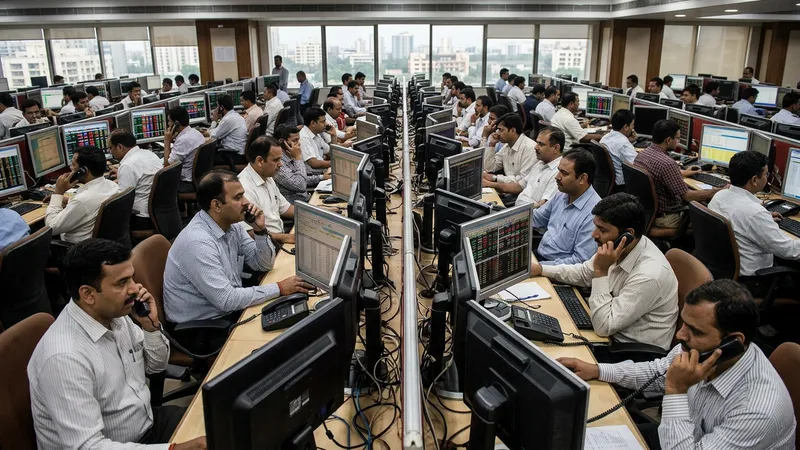
Indian equity markets have experienced their most prolonged period of decline in a quarter-century, marking eight consecutive weeks of contraction. This sustained downturn persists despite the nation's Gross Domestic Product (GDP) continuing to grow at over 7%.
Domestic investor wealth has significantly decreased, with retail equity holdings falling by approximately 15% this year. Over the past two years, foreign institutional investors have withdrawn a substantial $40 billion from the Indian market, effectively negating a decade's worth of net foreign investment and contributing to current market challenges.
Energy Supply Concerns and Global Shifts
Market volatility is primarily attributed to ongoing disruptions in energy supply, with particular concerns surrounding the Strait of Hormuz, a critical route for over 90% of India's crude oil imports. Oil prices fluctuating between $90 and $100 per barrel are consistently pressuring corporate profit margins and national inflation targets, complicating energy diversification efforts.
Globally, macroeconomic conditions are also playing a significant role. As US Treasury yields have surpassed 5%, capital is being redirected from emerging markets, including India, towards assets perceived as lower-risk. Efforts to secure alternative energy sources face complications, including the potential for 100% tariffs on trade with Russia, which could further exacerbate energy cost pressures.
Currency Impact and Sectoral Challenges
The depreciation of the Indian rupee has diminished dollar-denominated returns for international investors, reducing the overall appeal of Indian equities. Additionally, market valuations remain high relative to corporate earnings, leading to increased scrutiny from investors.
A notable structural challenge within the Indian market is the limited exposure of domestic firms to the global artificial intelligence sector. Unlike regional counterparts such as South Korea and Taiwan, India's large-cap indices show a significant weighting towards traditional industries. This limits their participation in technology-driven global growth cycles and broadens market risk.