Senegal Parliament Speaker Resigns Amid Political Tensions
Senegal's Parliament Speaker resigned, escalating political tensions and potentially limiting President Faye's power amid a legislative majority held by hi…
Lauren Collins ·
Senegal Parliament Speaker Resigns Amid Political Tensions
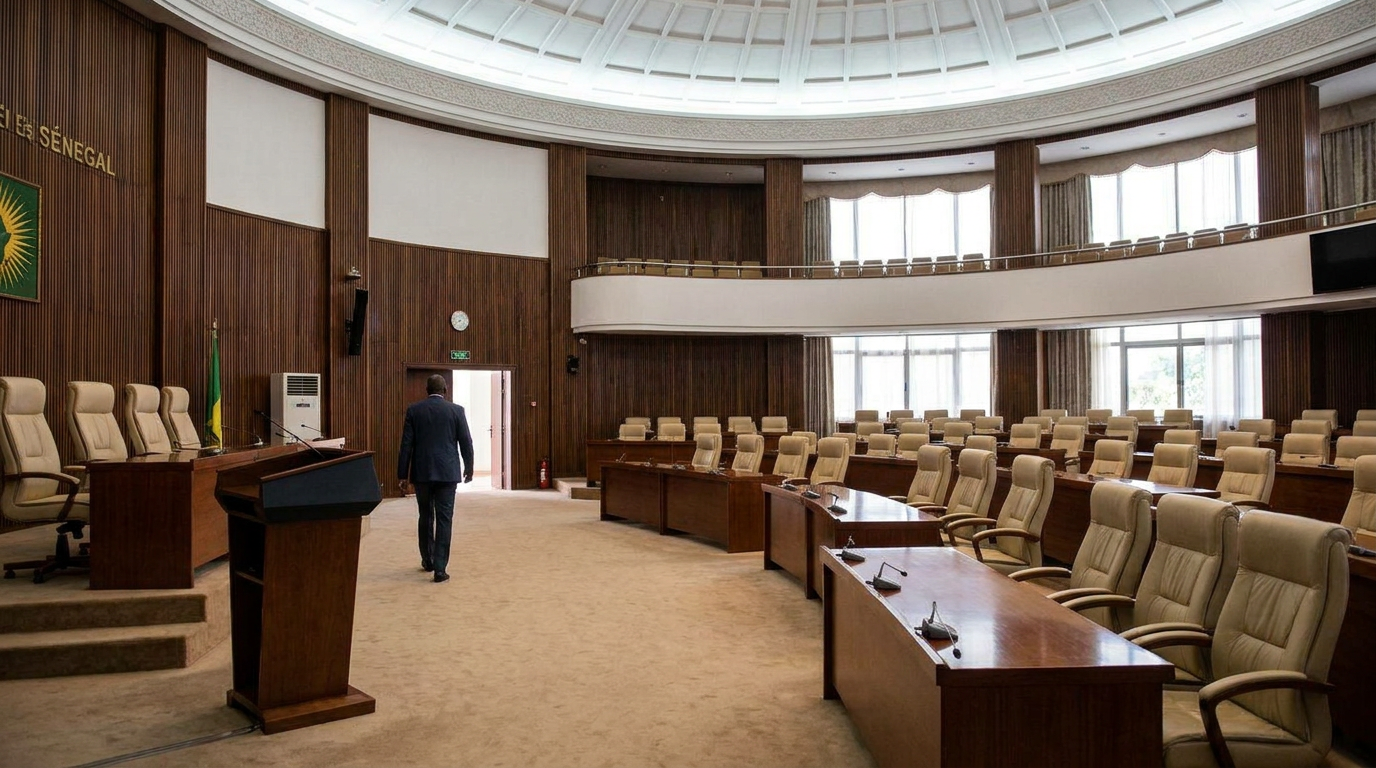
Senegal's Parliament Speaker, El Malick Ndiaye, resigned on Sunday, May 12, following the dismissal of Prime Minister Ousmane Sonko and the dissolution of the government by President Bassirou Diomaye Faye. This development intensifies political tensions within the West African nation, potentially limiting President Faye's executive authority due to a fragmented legislative landscape.
Ndiaye cited "deep reflection" and a "sense of statehood" as reasons for his departure. The resignation occurs as members of parliament are scheduled to convene on Tuesday to consider Sonko's return to parliament and vote for a new speaker. Sonko, leader of the Pastef party, holds significant influence within the legislature, where his party commands an absolute majority. This parliamentary strength could complicate President Faye's ability to enact policies and reforms without Sonko's support.
The political rift between President Faye and Sonko, who was instrumental in Faye's election, introduces uncertainty into Senegal's governance. While a new prime minister awaits appointment, the approval process in parliament could face challenges. Lawmakers have up to three months to approve a nominated candidate, and the president cannot dissolve parliament until November, two years after the last election. This structural constraint means any premature attempt to end legislative mandates would be invalid, further entrenching the parliament's position.