Russia Threatens More Kyiv Strikes
Russia threatened more systematic strikes on Kyiv, citing a Ukrainian attack, and advised foreign nationals to leave the capital.
Lauren Collins ·
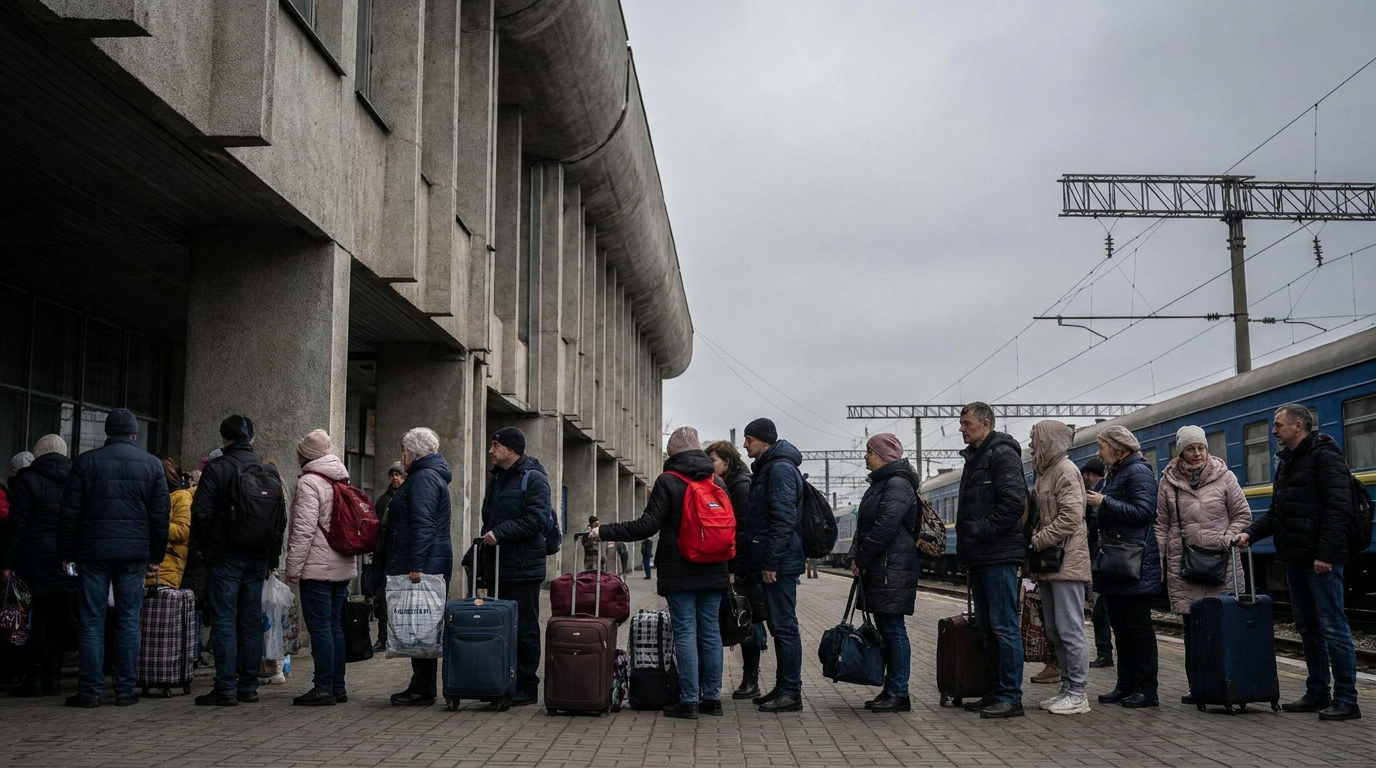
Russia announced on Saturday its intention to conduct further "systematic strikes" against Kyiv, targeting "decision-making centres and command posts" and drone manufacturing facilities. This declaration follows a recent large-scale attack on the Ukrainian capital that resulted in four fatalities and approximately 100 injuries. Moscow has advised foreign nationals and diplomats to evacuate Kyiv promptly and urged citizens to avoid administrative and military structures.
The Russian Foreign Ministry stated these impending strikes are a response to a Ukrainian attack on a student dormitory in Starobilsk, which Russian officials claim killed 21 people. Ukraine's military, however, reported striking an elite Russian military drone unit in Russian-occupied eastern Ukraine, denying civilian targeting. The recent escalation includes a barrage of ballistic and cruise missiles, hundreds of drones, and a hypersonic Oreshnik missile fired at the Kyiv region.
This development occurs amidst ongoing conflict, with Russia having launched multiple waves of missile and drone attacks on Kyiv since a brief ceasefire in May. Previous strikes have damaged non-military targets, including the Chernobyl Museum and Art Museum of Ukraine. Ukraine continues to rely on foreign air defense systems to intercept incoming projectiles, despite developing its own sophisticated air defense network.