

SARB holds repo rate at 7.25% in split vote
Four of seven rate setters backed the pause, leaving inflation risks and a possible 25-basis-point increase in focus.
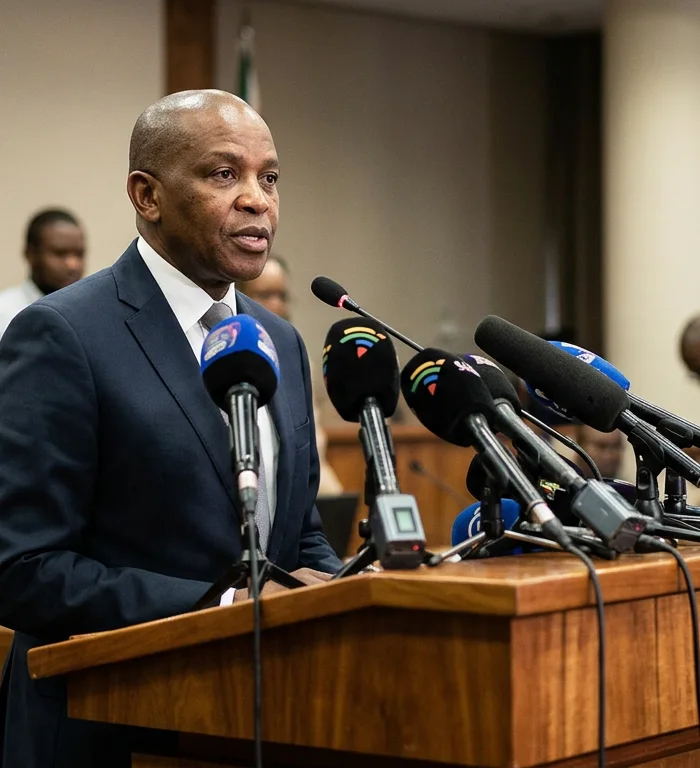
SARB left the benchmark repo rate, which guides borrowing costs, unchanged at 7.25% on Nov. 19, Daily Maverick reported in a news article, after its rate panel split 4-3 over a 25-basis-point, or 0.25-percentage-point, increase.
The hold gives South African borrowers a year-end reprieve, but October consumer inflation rose 5.2% year on year from 4.5% the prior month, above the central bank’s 3% target, plus or minus 1 percentage point.
Reserve Bank Governor Lesetja Kganyago said the Monetary Policy Committee had not ruled out more tightening. “We decided to pause for now. We are mindful of risks and will not hesitate to raise rates if needed.”
Kganyago said the same inflation concerns shaped votes on both sides of the decision. “The direction of travel is very clear … the only disagreement amongst us is the pace at which we move.”
Most economists surveyed by Bloomberg had expected the final rate decision of 2026 to be a hold, according to Daily Maverick. Anchor Capital said: “Financial market reactions were relatively muted as the decision had been largely priced in.”
The decision followed two rate increases in 2026 as SARB sought to contain inflation. Daily Maverick reported that petrol and diesel prices had risen since the start of the US-Iran war, while markets viewed Democratic Party gains in the US midterm elections as reducing the risk of a prolonged conflict, helping oil prices fall.
Wednesday’s inflation reading did not appear to change the decision, according to Johann Els of PSG Financial Services, who said it contained “no surprises” and that SARB’s choice was based on September inflation data. Els said: “There is still very little evidence of fuel-related price increases feeding through into other components of the CPI basket, apart from the more direct impact on transport costs, including public transport and airline fares.”
Food prices remain another risk area. Anchor Capital’s Lerato Ntuli described food inflation as “contained,” partly because cereal prices stayed lower after a good harvest, while Kganyago said the committee was still assessing the possible severity of El Niño and may have a clearer view by January.
More stories
- Rwanda faces budget strain from 85% electricity access push
- AI doubts leave Asian stocks facing a new investment test
- Singapore core inflation eases to 1.5% in October
- Greece targets 2.3% growth in 2027 budget
- US stocks face Goldman warning on further forced selling
- Bitcoin falls below $57,742 as investors seek other bets
- Trump extends Jones Act waiver for another 90 days: official
- Russia reports 1% growth as refinery output declines 18%
Latest news
- ICE arrests at Seattle airport draw protests and scrutiny
- EU rejects COP31 deal as fossil fuel divisions block pact
- Deal Sheet: Fortis shutdown costs over 400 jobs
- Germany to pay about $11 a month into child pension accounts
- Monrovia mayor-designate seeks $14.5m city budget
- Laura Brand curbs prison messages after YouTube dispute
- Nigeria's family-planning budget falls 97%
- Peter Attia reviews cold therapy claims on longevity