

South Australia Greenlights Gas-Powered Energy for Massive Data Center Expansion
South Australia now allows gas to power AI data centers, shifting from a renewable-only policy to ensure grid reliability for high-demand infrastructure.
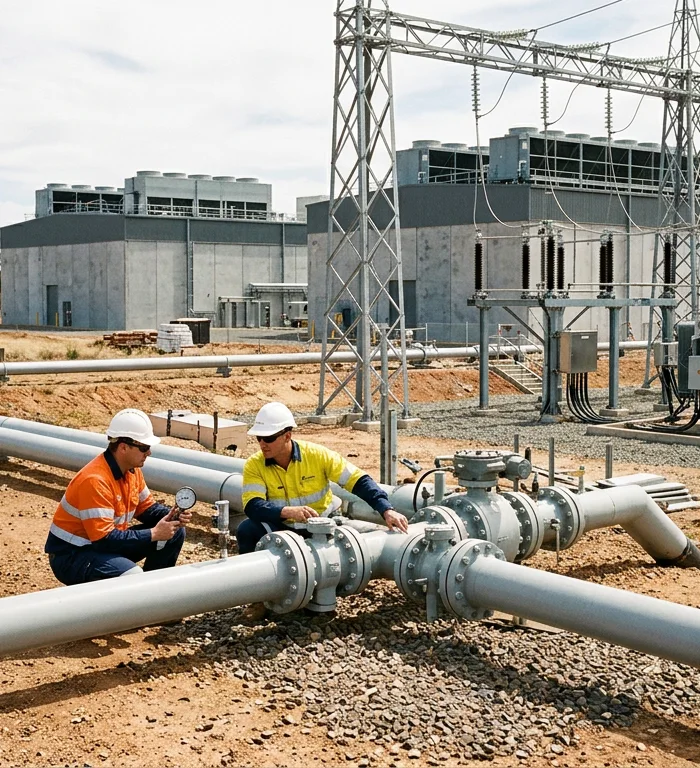
The South Australian government has formally authorized the use of gas-generated electricity to support the energy requirements of proposed artificial intelligence data centers. This policy shift marks a departure from the state's previous Data Centre Strategy, which emphasized the exclusive use of renewable energy to power the sector. Officials stated that gas is necessary to provide the continuous, reliable baseload power required by data centers, serving as a firming mechanism during periods of low wind and solar output.
The decision follows concerns regarding the energy intensity of planned infrastructure, including a proposed $6.5 billion, 800-megawatt facility at Bundey. Developers have indicated that integrating gas power is essential to maintain project viability and prevent investment from migrating to other jurisdictions. The government maintains that utilizing gas is a pragmatic alternative to the potential use of more carbon-intensive fuels like diesel or coal, should renewable sources prove insufficient for constant demand.
This policy change has drawn criticism from political opposition and environmental groups, who characterize the move as a reversal of the state's commitment to achieving 100 percent net renewable electricity by 2027. Critics argue that the reliance on fossil fuels undermines climate targets and ignores the availability of emerging energy storage technologies. The controversy has prompted a broader legislative response, with a parliamentary inquiry now established to examine the regulatory framework for data center development.
As the state prepares to introduce dedicated legislation for AI infrastructure later this year, the tension between rapid industrial expansion and environmental policy remains a primary political risk. The government must now balance the economic imperative of attracting high-tech investment with the potential for public and political backlash regarding energy transition commitments. Stakeholders should monitor the upcoming parliamentary inquiry, as its findings will likely dictate the final regulatory requirements for power sourcing in future large-scale developments.
More stories
- Staff notice in Commission cyberattack tests EU response
- Britain-EU deal eases food checks and youth travel rules
- European troops in Poland drill near reported missile crash
- Brooklyn collapse kills eight as city orders site sweeps
- Massie revives Hegseth impeachment bid over war authority
- Secret Service arrests man after White House weapons find
Latest news
- David Parr House to honor Victorian art-workman with blue plaque
- Iran's attacks hit 25 tankers near Strait of Hormuz
- FCC approves prison cellphone jamming despite 2.5-mile warning
- Russia strikes Ukraine as Odesa faces electricity strain
- Bahrain reports two injuries after Iranian aerial attacks
- Congress tests Black Democrats' growing policy influence
- Baltic responders fight Sparta II fire after drone strike
- Dietitians advise small swaps for plant-based eating