Romania's Government Collapses Amid Fiscal Crisis
Romania's pro-European government fell after a no-confidence vote, raising concerns about fiscal stability and EU fund access.
Cuneyd Erdogan ·
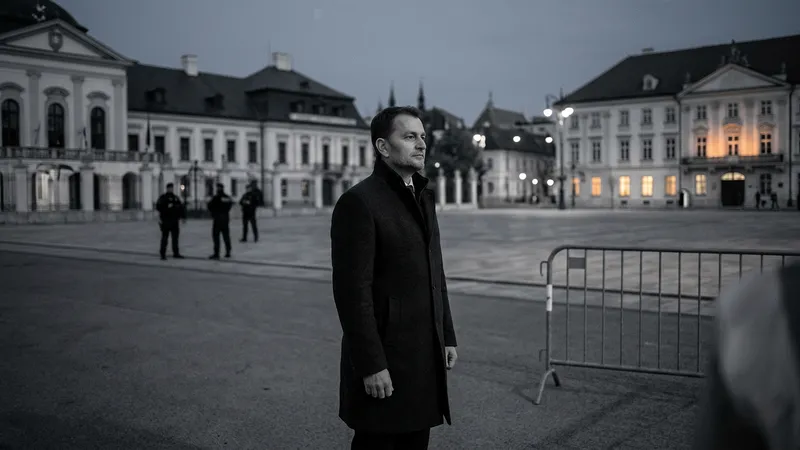
Romania's pro-European coalition government has been dissolved following a parliamentary no-confidence vote. The motion passed with 281 votes in favor and four against, initiated by the lesources-wing Social Democratic Party (PSD) and the far-right Alliance for the Unity of Romanians (AUR).
This political instability raises concerns among financial markets regarding Romania's commitment to reducing its budget deficit. The national currency, the Leu, depreciated against the Euro prior to the vote.
The previous government, in power for ten months, had focused on deficit reduction and avoided a ratings downgrade. The Social Democrats, crucial for a pro-EU majority, had previously withdrawn from the coalition.
President Nicusor Dan is expected to initiate negotiations to form a new government. The outgoing Prime Minister will serve in an interim capacity with limited powers until a new administration is approved by parliament.
Romania is required to continue fiscal reforms to access approximately 10 billion euros in EU recovery funds by an August deadline. The budget deficit is projected to decrease to 6.2 percent of GDP this year.