

Riyadh missile intercepts heighten Gulf energy risk
Bahrain also issued a threat alert, adding a second Gulf security warning as traders assess regional supply exposure.
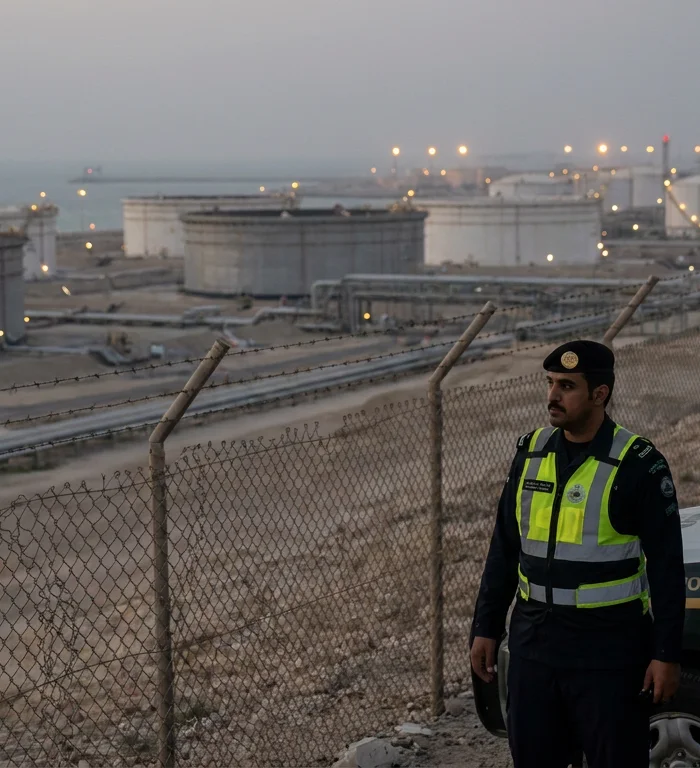
Saudi officials said air defenses intercepted Houthi missiles targeting Riyadh on Nov. 15, while Bahraini authorities issued a threat alert that added to Gulf security risks for energy markets.
The report did not give the number of missiles intercepted or identify damage, casualties or any disruption to oil production, ports or shipping. That leaves the immediate energy effect tied to risk pricing rather than confirmed physical supply losses.
Riyadh alert tests oil risk
Riyadh is not an oil-export terminal, but a missile threat against the Saudi capital carries weight for crude markets because Saudi Arabia is the world's central spare-capacity holder and a core Gulf security actor. Traders usually separate attacks that damage energy infrastructure from those that raise the probability of wider disruption.
Bahrain's alert broadens the security signal across the Gulf. The country sits near major Saudi energy assets and shipping lanes used by regional exporters, making official threat warnings relevant for insurance, freight and hedging decisions even when barrels continue to move.
The main uncertainty is whether the Houthi threat remains focused on symbolic or military targets, or shifts toward export infrastructure, tankers or logistics nodes. If threats stay away from energy assets, the market response may be limited; if they move closer to supply routes, oil options and prompt crude prices may carry a higher risk premium.
The next checkpoint is Monday's Asian oil open on Nov. 16, when Brent and regional crude-linked assets will show whether traders treat the intercepts as an isolated security event or a broader Gulf supply risk.
More stories
- Canada and UK back $1.3tn climate finance goal at COP31
- ASEAN faces South China Sea rift at 49th Manila summit
- French school protests cost exam pupils up to 150 class hours
- UN agencies seek aid for 30.3m facing DR Congo hunger
- Hungary seizes nearly $20m in Orban-era corruption probe
- Singapore aid groups face Gaza delivery bottlenecks despite 200 daily trucks
- Ukraine rescuers search shelter after 31 reported deaths
- Trump says Israel aid ends this year, arms sales continue
Latest news
- Trump administration plans vaccine-injury payments for doctors
- StubHub seller lists 2,000 U2 seats despite purchase caps
- Longer estrogen exposure ties to 8% lower brain-vessel disease odds
- FURSOY posts 500 MHz Linux-capable RISC-V core
- NHS England faces 9,490-patient cancer treatment shortfall
- SpaceX catches Starship upper stage but loses its booster