SpaceX Launches Starlink Satellites from Florida
SpaceX launched Starlink 10-48 mission from Florida, deploying new internet satellites and recovering the Falcon 9 booster.
Jason Kwon ·
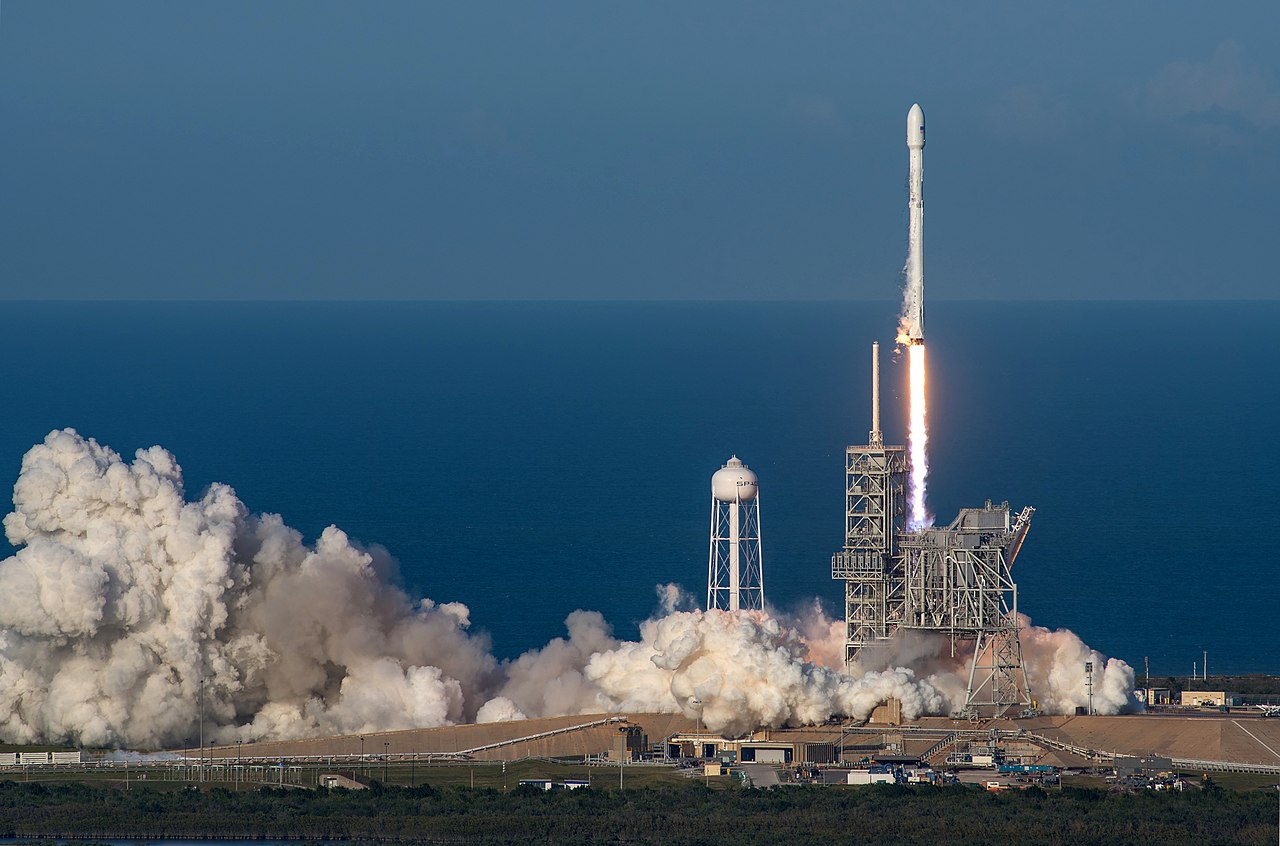
SpaceX successfully deployed a new set of Starlink internet satellites into low Earth orbit on Saturday, March 14. The mission, designated Starlink 10-48, originated from Launch Complex 40 at Cape Canaveral Space Force Station in Florida, utilizing a Falcon 9 rocket.
Liftoff occurred at 8:37 a.m. Eastern Time, marking another expansion of the company's satellite internet constellation. The Falcon 9 followed a northeast trajectory after launch, a standard path for missions from Florida's Space Coast.
Rocket Recovery and Reusability
A key component of SpaceX's operational strategy, the first-stage booster of the Falcon 9, executed a successful autonomous landing. Approximately 8.5 minutes after its ascent, the booster touched down on the drone ship named "Just Read the Instructions," positioned in the Atlantic Ocean. This recovery was confirmed via onboard cameras, although live video transmission from the rocket itself was not available during the landing sequence.
This successful recovery underscores SpaceX's commitment to reusability, a practice designed to reduce launch costs and increase the frequency of missions. The company has pioneered the routine recovery and refurbishment of its Falcon 9 first stages, a significant advancement in spaceflight technology.
Starlink Constellation Expansion
The Starlink network aims to provide global broadband internet access, particularly to underserved and remote areas. Each launch adds dozens of satellites, progressively increasing the constellation's coverage and capacity. The ongoing deployment reflects a rapid pace of operations, with multiple missions conducted monthly to build out the extensive satellite array.
Prior to liftoff, fueling procedures for the Falcon 9 were completed, and local emergency operations centers, such as the Brevard EOC, were activated to monitor the launch event. The consistent cadence of these launches highlights the operational maturity of SpaceX's Starlink program.
Global Satellite Internet Market
The expansion of Starlink contributes to a growing competitive landscape in the satellite internet sector. Other companies are also developing or deploying their own constellations, signaling a future where space-based internet access becomes more widespread. This competition is expected to drive innovation and potentially lower costs for end-users globally.
SpaceX's continued success in launching and recovering its rockets is central to its business model, enabling the rapid deployment necessary for a global satellite network. The company's operational efficiency and technological advancements remain critical factors in its market position.
Implications
Country Impact: The United States continues to solidify its leadership in commercial space launch capabilities and satellite internet infrastructure, with Florida serving as a primary hub for these operations. This strengthens the domestic space economy and technological innovation.
Industry Impact: The satellite internet industry sees continued expansion and increased competition, driven by SpaceX's rapid deployment of Starlink. This trend could lead to broader internet access globally and pressure on traditional telecommunications providers.
Market Impact: The consistent success of SpaceX launches reinforces investor confidence in the commercial space sector. It also indicates a growing market for satellite-based services, potentially impacting telecommunications and technology stock valuations.