

Ukrainian Authorities Arrest Four Individuals Linked to $11.5 Million Ransomware Operation
Ukrainian authorities arrested four individuals linked to an $11.5 million ransomware campaign involving the Chaos and BlackSuit operations.
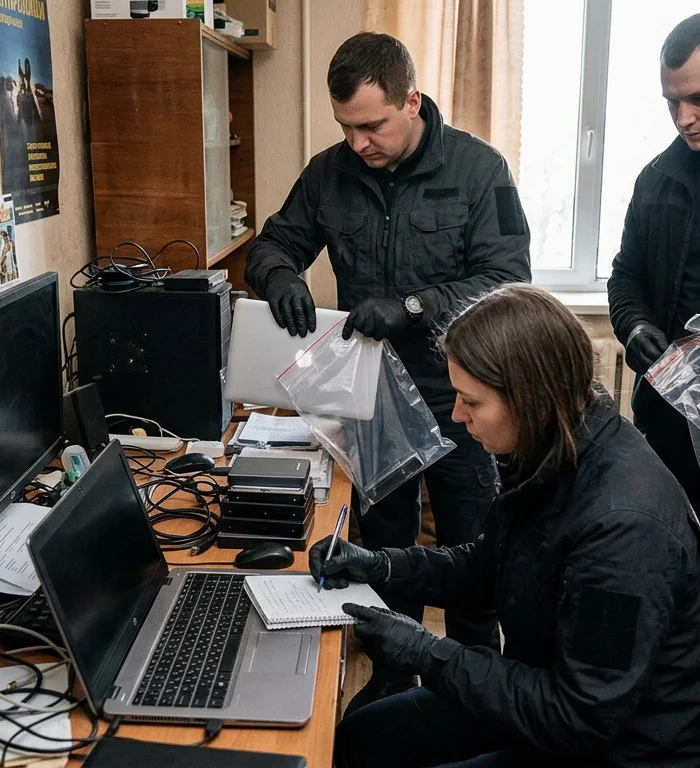
Ukrainian authorities have detained four individuals suspected of operating as part of a 27-person cell within a larger 60-member cybercriminal network. The group is linked to the Chaos ransomware operation, which evolved from the remnants of the defunct Conti gang. The suspects are currently held in pre-trial detention, with three facing bail set at approximately $56,000 each. A judge denied a request to release the fourth suspect into military custody, citing the severity of the alleged criminal activity.
The investigation identifies the group as the entity behind the BlackSuit ransomware brand. The suspects are accused of executing targeted attacks against three U.S.-based firms: Maxxis, Warren Oil, and Newpark. These operations reportedly generated approximately $11.5 million in illicit proceeds. While the total ransom figures are known, investigators have only confirmed the specific monthly stipends and per-incident bonuses paid to the individual suspects, which ranged from $500 to $1,500 per attack.
Warren Oil
The operational structure of the cell mirrors the professionalized, SME-style management previously utilized by the Conti organization. The suspects maintained distinct functional roles, including software development, phishing, cryptography, and social engineering. Specifically, the group utilized sophisticated tactics such as mimicking remote-access interfaces and bypassing multi-factor authentication (MFA) by posing as technical support staff to harvest credentials.
This case highlights the persistence of former Conti affiliates who have reorganized under new monikers to maintain operational continuity. The use of specialized roles—ranging from hash-cracking experts to social engineering specialists—demonstrates a high level of technical maturity. Financial institutions and critical infrastructure providers should note that these actors continue to prioritize the energy and manufacturing sectors, utilizing established methodologies to compromise secure remote access points.
More stories
- Europe faces attribution gap after 16 cyber, physical incidents
- PIF backs Grand Theft Auto as Saudi players embrace game
- Signal limits screenshots to curb AI access to messages
- Cognition runs Devin Mac workspaces on EC2 in 6 AWS regions
- Salesforce engineers cut 600-failure triage to 90 minutes
- Türkiye Desk: GTA 6 puts console access and network demand in focus
- Spotify Introduces Note Feature for Personalized Music Playlists
- Moonshot AI Taps Alibaba for Nvidia Chip Capacity Access
Latest news
- Trump prepares tariffs on China and other major exporters
- New-car buyers pay record average $50,087 in October
- Banks face ECB reserve debate over liquidity and profits
- Investors see Anthropic debut gains fade below $83 a share
- Iraq orders federal control over Kurdish-area oilfields
- Germans oppose Ukraine aid as poll shows support slipping
- Kim Jong-un receives 10 envoys after constitutional shift
- Ukraine claims Libya strike sinks Russian naval corvette