Counter-Terror Probe Widens at RAF Fairford After Fresh Arrest
Authorities detained a 22-year-old British national in London, expanding the ongoing counter-terrorism inquiry into potential threats at RAF Fairford.
Atlas Newsdesk ·
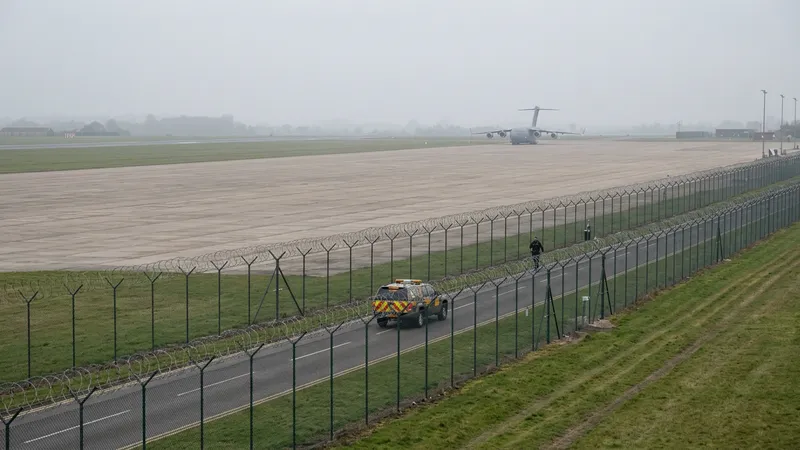
Counter-terrorism authorities have arrested a 22-year-old British national in London, escalating an investigation into potential security threats at RAF Fairford. The individual faces charges related to the preparation of terrorist acts, officials confirmed. This latest detention connects to prior arrests made as part of the same inquiry, which scrutinizes activities around the United States Air Force facility located in the UK.
The investigation initially garnered public attention following the apprehension of five individuals near the airbase on September 27. During that earlier incident, law enforcement did not discover any explosive devices. The sustained probe highlights ongoing concerns regarding the security of the strategically important facility.
Differing Security Assessments Emerge
Following the September incident, the United States redeployed 12 B-1 Lancer bombers back to the U.S. American leadership publicly cited security concerns at the facility as the primary reason for this rapid withdrawal of military assets, indicating a heightened perception of threat from their perspective. This move contrasted with statements from UK officials.
UK authorities have consistently maintained that RAF Fairford retains its secure operational status. However, they have acknowledged active investigations into potential proxy-led operations targeting the base, which suggests a recognition of ongoing vulnerabilities despite overall assurances. These differing assessments underscore the complexity of the security situation.
Investigation and Legal Processes
To date, seven individuals have been arrested in connection with this comprehensive investigation. All suspects previously detained during the inquiry have subsequently been released on police bail, pending further investigation. The legal framework used for these detentions, the Police and Criminal Evidence Act, has drawn scrutiny regarding the duration and specific conditions under which individuals are held in intricate counter-terrorism cases.