Iran’s Missile Drills Expose Critical Vulnerabilities in U.S. Air Defenses
Simulation exercises reveal significant deficiencies in US and allied air defense systems, struggling against dense, high-volume Iranian missile and drone…
Atlas Newsdesk ·
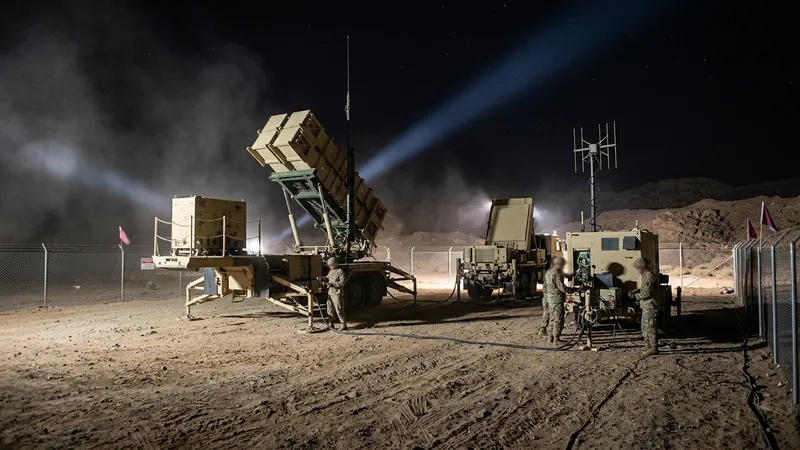
Simulation exercises have identified critical vulnerabilities within the air defense systems operated by the United States and its regional partners. These exercises specifically highlighted shortcomings in the ability to counter dense, large-scale missile and drone assaults originating from Iran. Current inventories of defensive munitions are deemed insufficient to sustain protection against multi-wave, high-volume attacks.
This projected inadequacy is expected to persist, even with anticipated increases in interceptor stockpiles and defensive deployments planned through 2027. The simulations demonstrated that advanced interceptor systems, including Patriot and THAAD, were quickly depleted during the initial phases of the simulated engagements.
Interceptor Depletion Challenges
The rapid exhaustion of interceptors effectively overwhelmed existing defensive batteries within the simulated scenarios. An analysis of these simulation outcomes indicates that Iranian forces have successfully integrated advanced strike tactics into their operational frameworks. This development is reportedly supported by increased defense industrial collaboration with Russia and China.
Such international cooperation is understood to have enhanced the lethality and potential scale of Iran's offensive capabilities. Operational models within the simulations showed that high-end interceptors were consumed rapidly during the early stages of engagement, proving inadequate against the simulated threat presented.
Strategic Reassessment Needed
These advancements enable consistent, high-intensity targeting of critical infrastructure and military installations across the broader region. The capacity for concentrated fire on specific targets poses a considerable challenge to current defense mechanisms, thereby intensifying the strategic risks identified by the exercises.
Policymakers now face an urgent requirement to reassess existing missile defense strategies. This comprehensive re-evaluation is considered crucial to mitigate the potential for significant operational losses if future regional escalations occur. The simulations underscore an immediate need for strategic adjustments to effectively counter these evolving threats and bolster regional security postures.