Trump's Iran Remarks Send Oil Prices Soaring
Oil prices jumped after Trump’s Iran remarks, lifting Brent 2% to $116 and pushing Asian stocks lower amid Middle East conflict fears.
Atlas Newsdesk ·
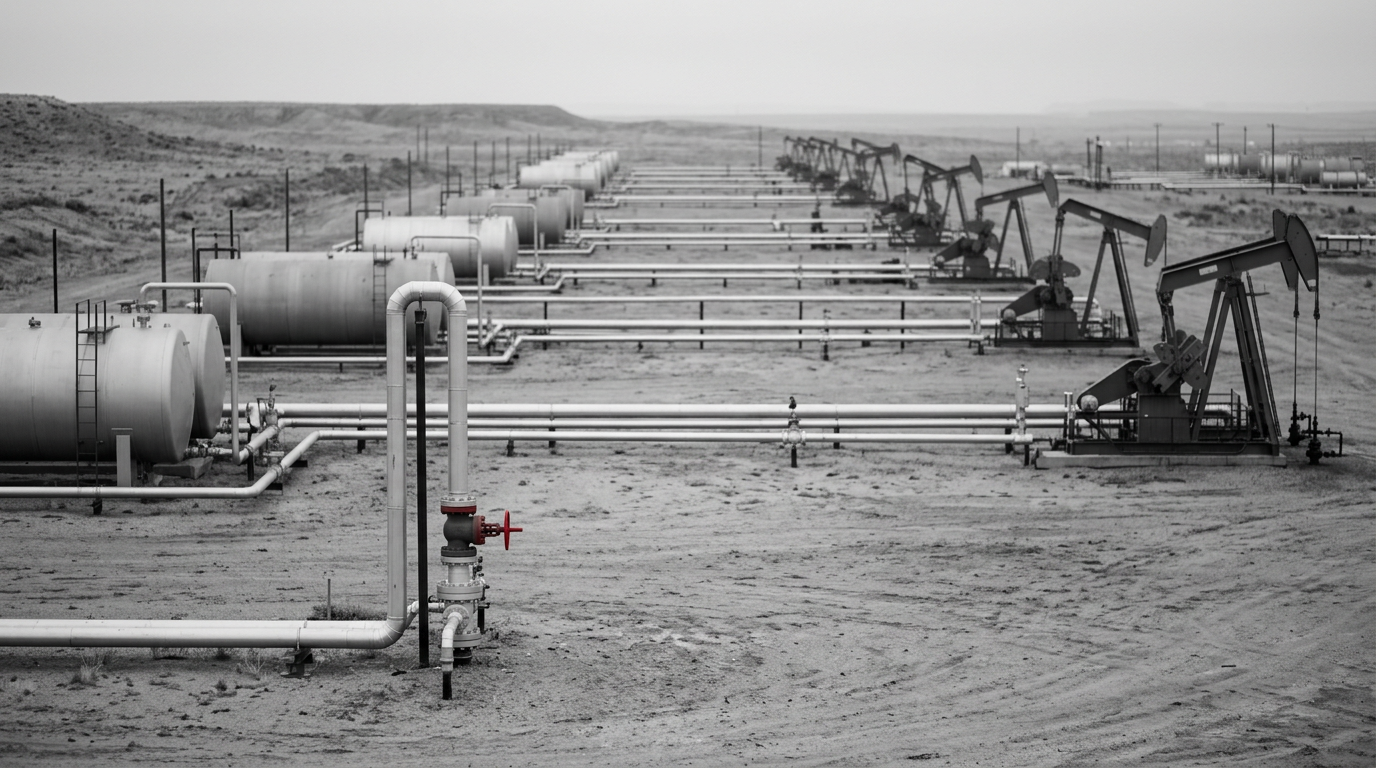
Global oil prices rose sharply on Monday after former U.S. President Donald Trump made comments about Iran that unsettled investors and weighed on Asian equities. Brent crude, the international benchmark, climbed 2% to $116 a barrel, following Trump’s Sunday interview with the Financial Times in which he raised the possibility of seizing Iran’s Kharg Island, described as a key oil export hub.
Asian stock markets fell as energy-supply risks moved to the forefront. Japan’s Nikkei dropped 3%, South Korea’s Kospi slid 3.4%, and Hong Kong’s Hang Seng index was down by about 1%. The moves reflected concern that any disruption to Gulf oil and gas flows would hit a region that is particularly exposed to imported energy costs and supply reliability.
The market reaction came against the backdrop of an intensifying Middle East conflict. Officials said an additional 3,500 U.S. troops were deployed to the Middle East, while Houthi rebel involvement has added to fears of a wider regional escalation. Investors focused on the possibility that the conflict could broaden in ways that affect production, shipping, or export infrastructure tied to global energy supply.
Oil’s latest jump adds to a steep run-up since early March. The surge has already put Brent on track for its largest monthly gain on record, up more than 50% over that period. The scale and speed of the move has increased sensitivity across markets, as energy prices feed into transport, manufacturing, and household costs worldwide.
Analysts said prolonged conflict could drive crude much higher, but the outlook remains uncertain. Some projections cited levels of $150 to $200 per barrel if the situation does not de-escalate. Those same analysts warned that prices at that range are expected to trigger a global recession, which would then weaken demand, underscoring the two-way risk between supply shocks and economic activity.
Other commodities also reacted to the regional tensions. Aluminum prices rose by more than 5% in Asia after Iran targeted aluminum producers in Bahrain and the UAE. The episode added to concerns that the conflict could spill into industrial supply chains, with knock-on effects for sectors that rely on metals inputs.
For now, markets are balancing fast-moving political signals with the potential for real-world supply disruption. The key unknown is whether the conflict de-escalates or expands, and how quickly any escalation could translate into constraints on energy exports and broader trade flows.