Australia Halves Fuel Tax for Three Months
Australia fuel excise cut takes effect immediately for three months, halving the 52.6c/L tax and injecting A$1.5bn into the economy.
Atlas Newsdesk ·
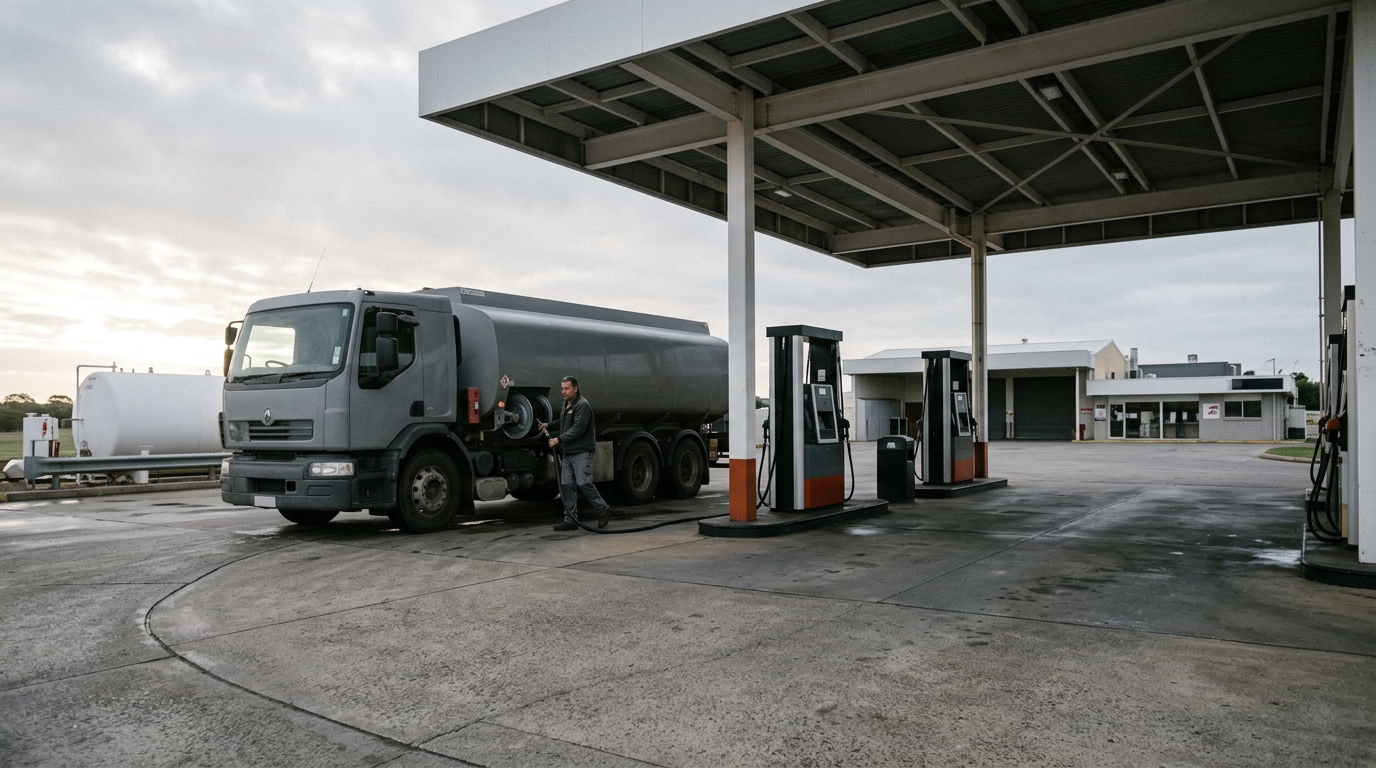
Australia’s government has moved to temporarily lower petrol costs by cutting the national fuel excise for three months. Officials said the measure took effect immediately under Prime Minister Anthony Albanese’s administration. The change reduces the fuel excise by half, lowering the tax from 52.6 cents per liter to a level that delivers a 26 cents per liter saving for consumers.
What happened: The policy is designed as a short, time-limited fiscal intervention aimed at easing cost-of-living pressures for motorists. The government projects the excise reduction will inject A$1.5 billion into the economy over the three-month period. The immediate impact is expected to be felt most directly at the fuel pump, where households and businesses that purchase more fuel would see larger total savings.
What it means: Economists and analysts cited in the source flagged a key risk: the added stimulus could intensify inflation pressures. That concern matters because the Reserve Bank of Australia (RBA) has already raised interest rates in response to rising inflation. Economists said the excise cut could add to the factors that influence the RBA’s monetary policy decisions, including the possibility of further rate increases.
The distribution of benefits is also contested. While the cut offers broad-based relief, research from the e61 Institute indicates the gains are not evenly shared across income groups. According to that research, the top 20% of earners could receive 25% of the benefits, reflecting higher fuel consumption among wealthier households and those with greater reliance on private vehicles.
Critics cited in the source also raised concerns about demand and supply dynamics. By lowering prices, the excise reduction could encourage higher fuel consumption at a time when there are ongoing worries about fuel supply. The measure also arrives amid continued attention on the shift toward renewable energy sources, with critics arguing that cheaper fuel could work against efforts to reduce reliance on fossil fuels.
Beyond Australia, the decision is being watched as another example of governments using temporary tax relief to cushion households from price shocks. Such measures can affect inflation expectations and central-bank decision-making, which in turn can influence currency markets and global capital flows. The main uncertainty highlighted by analysts is how much the excise cut feeds into broader inflation outcomes and how the RBA weighs that effect alongside other inflation drivers.