Hormuz Strait Crisis: Oil Prices Surge
Oil prices jumped on March 30, 2026 as Strait of Hormuz disruption and US-Israel-Iran escalation pushed Brent above $116 a barrel.
Atlas Newsdesk ·
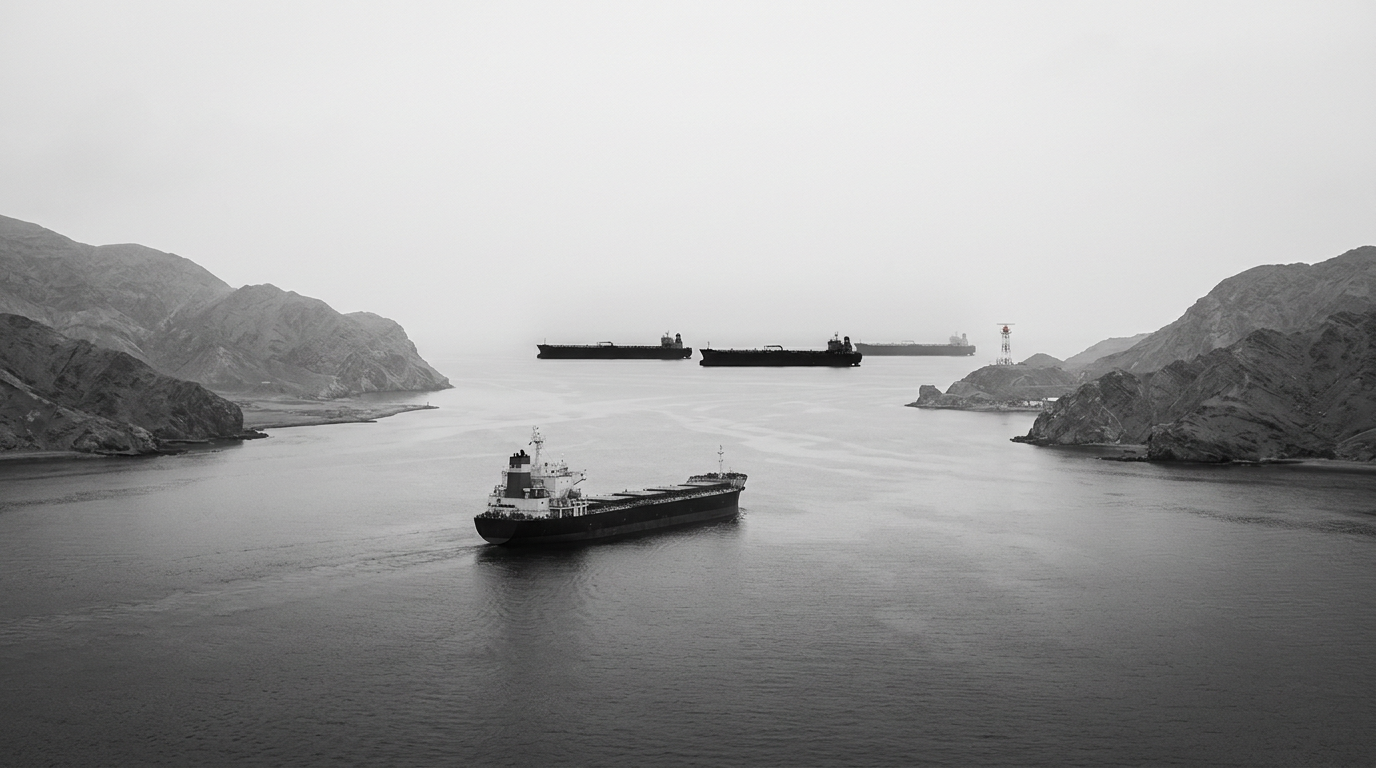
Oil prices rose sharply on Monday, March 30, 2026, as traders reacted to intensifying tensions involving the United States, Israel, and Iran, alongside fresh attacks linked to the Houthi group. Brent crude climbed by more than 3 percent to above $116 a barrel, the highest level in nearly two weeks, according to market pricing cited in the report.
Officials and market participants pointed to a worsening security backdrop that included Iran saying it was prepared for a potential U.S. ground invasion and reports of Houthi missile launches against Israel. The move in crude was also tied to continuing interruptions in global oil and liquefied natural gas (LNG) flows, with the Strait of Hormuz described as effectively closed by Iran.
The Strait of Hormuz is a critical chokepoint for energy shipments, and the report said the disruption is affecting about one-fifth of global supplies. That scale has contributed to what was described as a significant energy crisis, with knock-on effects spreading beyond crude into broader fuel markets and LNG availability.
Since the conflict began, oil prices have increased by nearly 60 percent, the report said. The rise has translated into higher fuel costs across multiple countries, prompting governments to introduce energy conservation measures as they try to manage demand and limit the strain on households and businesses.
Market analysts cited in the report said the direction of prices will remain biased upward unless maritime traffic through the Strait of Hormuz returns to normal. They also described current conditions as unprecedented, noting that physical premiums for oil have reached historic highs, a sign of acute tightness in near-term supply and heightened competition for available barrels.
While the immediate market reaction has been visible in crude benchmarks, the report said the broader economic consequences of the supply shock are likely to show up more clearly in official data in the months ahead. That uncertainty leaves policymakers, companies, and consumers navigating elevated energy costs while monitoring whether shipping conditions in the Strait of Hormuz improve.