UK Fuel Hits 150p as Brent Crude Surges Past $110
UK fuel prices climbed above 150p a litre as Brent crude rose past $110 amid Middle East tensions and a US delay on Iran targets.
Atlas Newsdesk ·
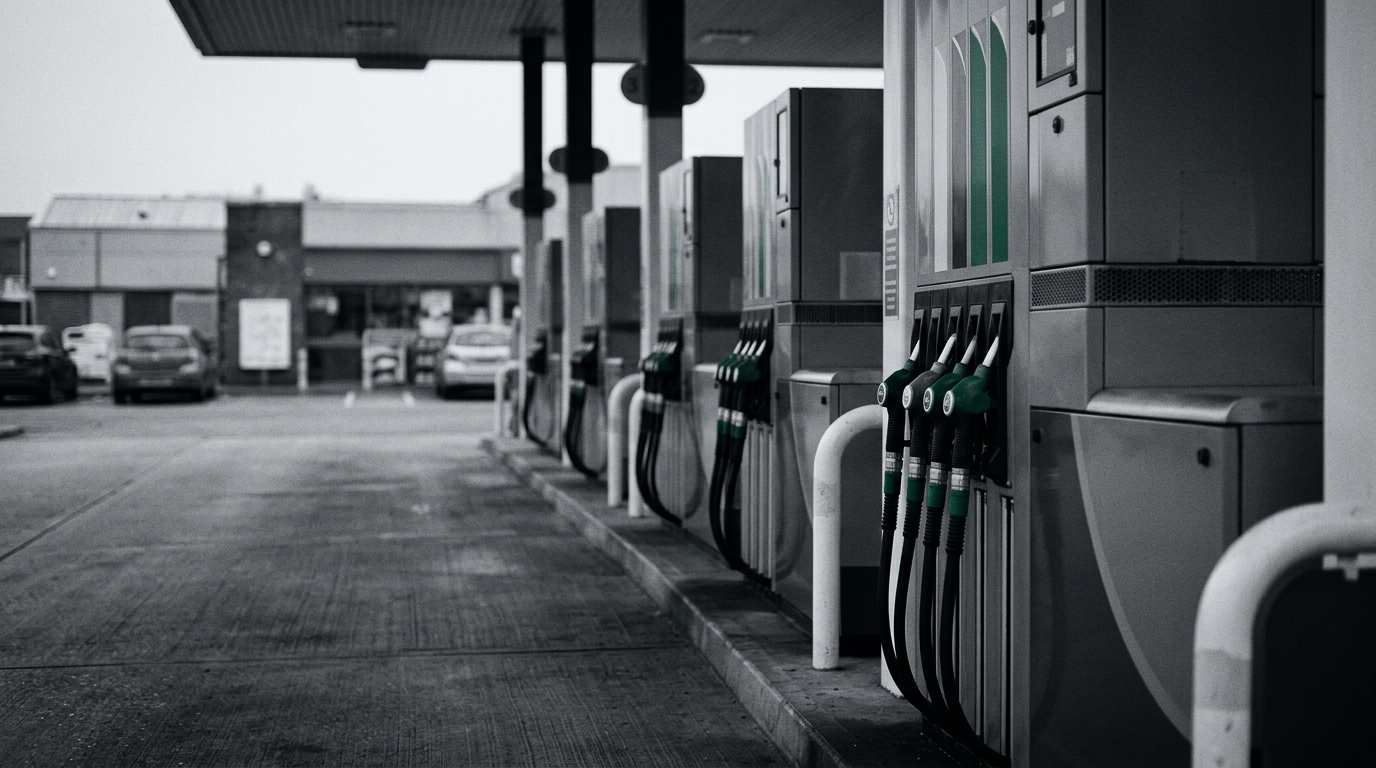
UK motorists are paying more at the pump after wholesale oil prices surged amid heightened tensions in the Middle East.
Average unleaded petrol prices moved above 150 pence per litre, reaching 150.31 pence as of Friday, the first time that threshold has been crossed since May 2024. Diesel also rose, averaging 177.31 pence per litre.
What changed in UK pump prices
The RAC said the increase has been material since the conflict began, with unleaded now 17 pence per litre higher and diesel up 35 pence per litre. The latest move reflects how quickly wholesale costs can feed through to retail pricing across the UK.
Behind the rise is a sharp move in crude markets. Brent crude traded above $110 per barrel on Friday, lifting the cost base for fuel suppliers and, in turn, consumers.
Oil market drivers and policy signals
The price jump follows military actions by the United States and Israel against Iran about a month earlier, which affected global oil markets. Traders have been weighing the risk that regional instability could disrupt supply flows from a key energy-producing area.
Adding to the uncertainty, US President Donald Trump announced a 10-day postponement of plans to target Iranian energy infrastructure. The delay did not prevent prices from rising, underscoring that markets are still focused on the broader risk environment rather than a single policy signal.
Volatility in Brent and why it matters
Over the past four weeks, Brent has swung between $73 and $116 per barrel, highlighting unusually wide price fluctuations. Such moves can complicate purchasing and hedging decisions for refiners, distributors, and large fuel buyers.
For households and businesses, the mechanism is straightforward: higher wholesale oil prices tend to raise the cost of petrol and diesel, even if the pass-through can vary by timing and inventory. The RAC linked the recent pump increases to the wholesale surge and the uncertainty around Middle East supply stability.
Market implications and key uncertainties
Rising fuel costs can affect transport-intensive sectors and consumers, particularly where road freight and commuting are significant. The UK-wide increase also matters for inflation-sensitive spending, because petrol and diesel are widely used inputs across the economy.
However, the outlook remains unclear because crude prices have been moving sharply in both directions. With Brent recently ranging from $73 to $116, pump prices could remain volatile, and the timing of any easing will depend on how wholesale markets evolve and how quickly retailers adjust.