Hormuz Disruption Threatens Europe's Energy Supply
Europe energy crunch risks rose in March 2026 as Hormuz disruption and low gas reserves tightened LNG supply and lifted power-cost pressure.
Atlas Newsdesk ·
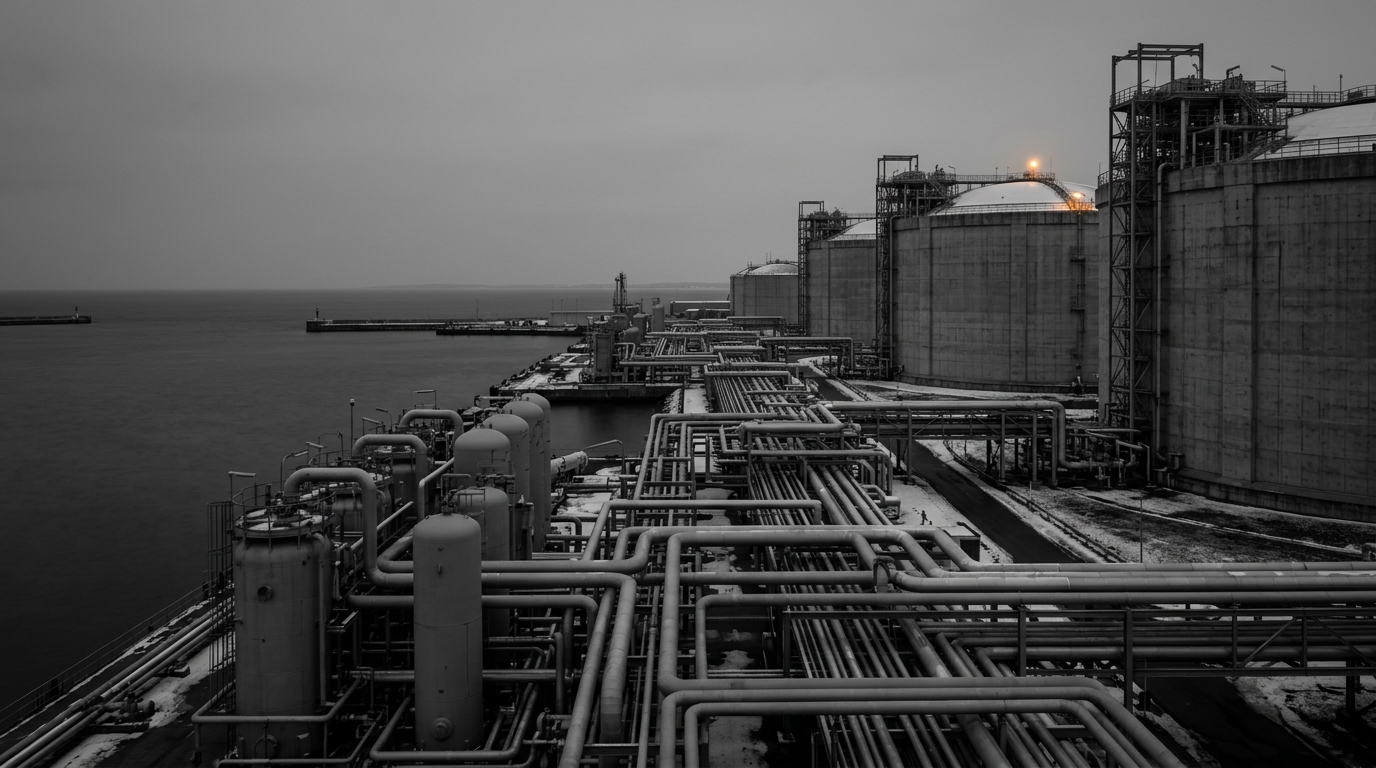
Europe is bracing for a renewed energy squeeze as geopolitical turmoil linked to Iran reverberates through global fuel markets. The risk, emerging in March 2026, is a combination of tighter supply routes and unusually low gas storage levels that could translate into higher power bills and added strain on industry.
The immediate pressure point is disruption to flows through the Strait of Hormuz , a critical maritime corridor for global energy trade. With supply uncertainty rising, Europe is facing a more competitive market for replacement cargoes, particularly liquefied natural gas (LNG).
What changed in March 2026
The conflict involving Iran has unsettled energy logistics and pricing, reviving concerns that had eased after Europe reworked its supply strategy in recent years. Despite efforts to diversify and reduce dependence on Russian energy, the latest shock highlights how quickly external events can tighten the market.
Europe’s natural gas reserves are described as unseasonably low , leaving less buffer to absorb supply interruptions. That storage weakness increases the urgency to secure LNG shipments, pushing Europe into sharper competition with Asian buyers for the same cargoes.
How the squeeze transmits to households and industry
With demand for LNG rising, the direction of travel for prices is upward, and that feeds into electricity costs across the continent. Higher wholesale power prices typically reach consumers with a lag, depending on national tariff structures and contract terms, but the source material indicates a broad risk to household bills.
Industrial users are also exposed because many sectors rely on gas and power as key inputs. The report flags additional pressure on industry, a channel that can affect output decisions, competitiveness, and employment conditions, even if the scale varies by country and sector.
Policy response and broader context
European Union governments are preparing interventions aimed at cushioning the economic impact on citizens and businesses. The specific tools, size, and timing of any measures are not detailed in the source material, leaving uncertainty over how much relief policy can deliver and who will qualify.
The episode also sits within a longer arc: after the Ukraine war reshaped Europe’s energy strategy, the region worked to diversify supply and reduce reliance on Russian flows. The current stress underscores a persistent reality for global markets—energy security remains vulnerable to geopolitical shocks, especially when key chokepoints such as Hormuz are disrupted.