Politics live: new standards for datacentres being built in Australia; report warns of drone threat
Australia will require new data centres and AI projects to add clean power and cut water use, as parliament debates energy pressures this week.
Jason Kwon ·
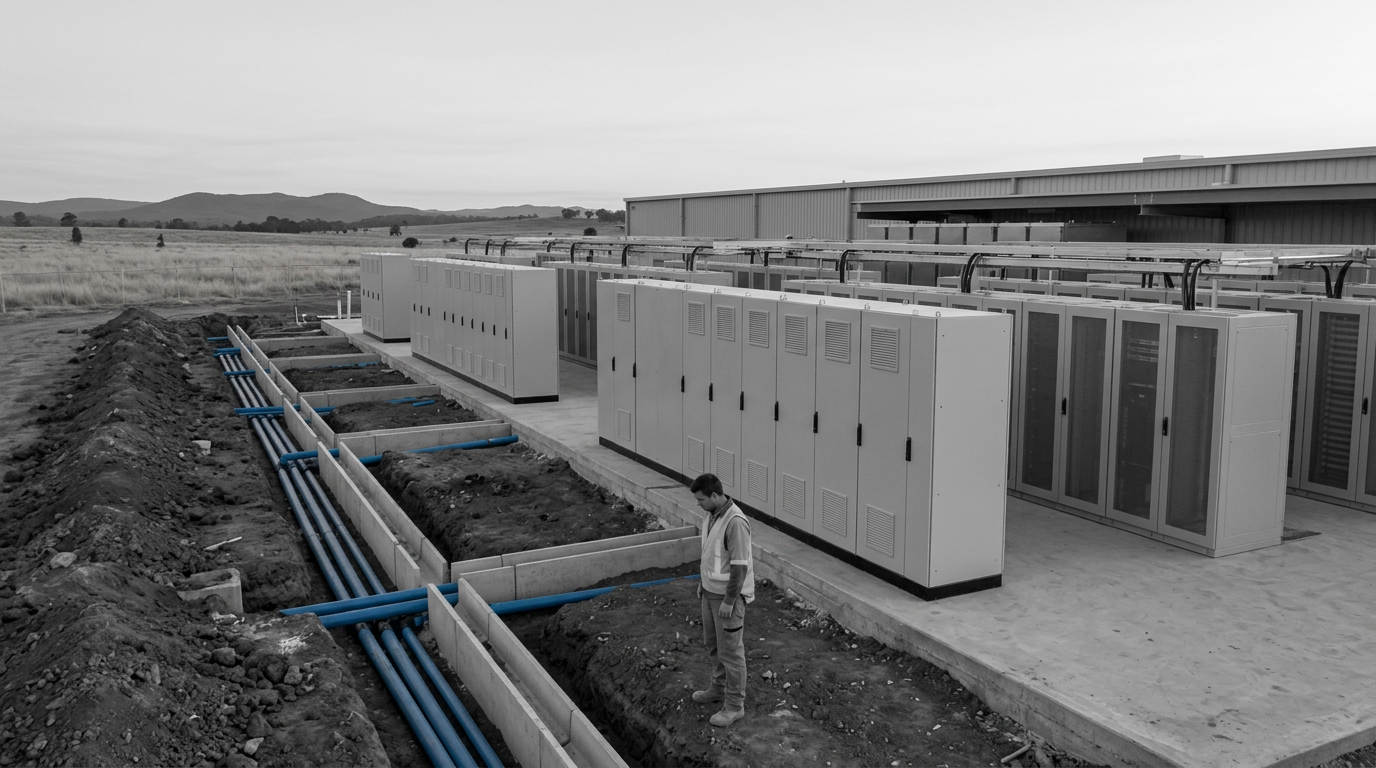
CANBERRA – Australia’s federal government has introduced new environmental regulations for data centers and artificial intelligence (AI) projects, mandating cleaner power sources and reduced water usage for future digital infrastructure.
The policy, announced in Canberra, addresses the growing electricity demand from the nation’s expanding digital sector. It coincides with a parliamentary session also debating global oil supply issues stemming from developments in the Middle East.
New Environmental Mandates for Digital Infrastructure
Under the new directives, companies planning data center and AI developments must now integrate contributions to clean energy supplies within their projects. These requirements aim to align technological expansion with Australia’s broader clean energy goals.
The regulations also compel developers to implement measures for minimizing water consumption. This pushes firms toward more water-efficient practices, alongside their energy commitments, to mitigate environmental impact.
Impact on Developers and the Economy
These new standards directly affect firms undertaking new data center construction and AI-related developments across Australia. They will reshape how projects are designed, built, and operated within the country.
For the wider Australian economy, the policy targets the environmental footprint of a rapidly expanding technology sector. Data centers, integral to cloud computing and AI, can consume substantial amounts of power and, in some configurations, significant water for cooling.
Why These Changes Matter Now
Data centers have become critical infrastructure for modern computing. Governments globally are increasingly balancing their economic benefits against strains on energy grids and local resource availability.
By linking new projects to renewable energy and water efficiency, Canberra signals that future digital capacity growth must support national clean energy objectives. This approach aims to prevent unmanaged demand increases.
Political and Market Context
This announcement comes during a parliamentary sitting week where lawmakers are also discussing oil market pressures tied to Middle East events. This highlights the ongoing political salience of energy security and price volatility.
Additionally, European Commission President Ursula von der Leyen is in Sydney and is scheduled to address Australia’s federal parliament later this week. Her presence adds an international dimension as Australia refines its energy and technology policies.
Implications for Project Development
Developers and investors must now factor clean energy contributions and water-saving strategies into their project planning. These elements are no longer optional features but compliance requirements for new facilities.
The government’s announcement did not specify key details. These include how clean energy contributions will be measured, the enforcement mechanisms, or any thresholds, exemptions, or timelines for implementation.
While the policy direction is clear, the practical effects on project costs, construction schedules, and site selection will depend on the final design of the rules and their application across different jurisdictions.