UK Simplifies Plug-In Solar Rules for Households
New UK rules effective August 2026 will ease plug-in solar panel installation for homes, allowing 800W systems without prior professional certification to…
Lauren Collins ·
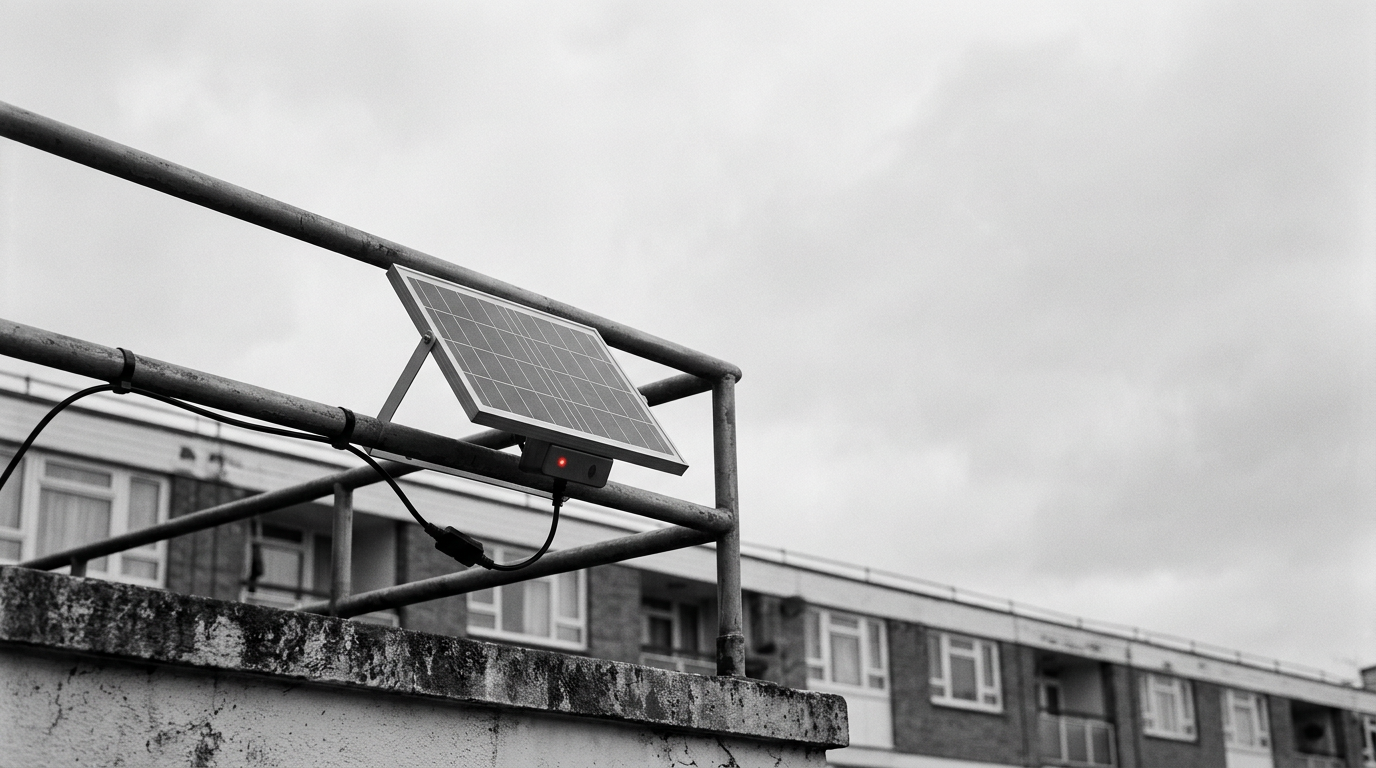
New electrical wiring regulations are set to take effect across Great Britain on August 27, 2026, aiming to simplify the process for installing plug-in solar energy systems in residential properties. This initiative intends to empower more households to generate their own electricity, broadening access to renewable energy options for both homeowners and tenants.
A key modification in these regulations permits the direct connection of solar panels producing up to 800 watts to the existing electrical mains without the necessity of prior professional electrical certification. This change specifically targets hurdles previously faced by individuals in rented properties or apartments, who often encountered difficulties with traditional rooftop solar arrays due to ownership constraints or structural issues.
Enhancing Domestic Renewable Access
By streamlining installation requirements, authorities seek to remove significant barriers that have historically limited domestic solar power adoption, particularly within urban areas and multi-occupancy buildings. Previously, many homeowners found the costs associated with professional installation and complex procedures made solar energy largely inaccessible.
The upcoming changes are expected to democratize access to solar energy, making it a viable option for a considerably larger segment of the population. This policy shift reflects a deliberate governmental strategy to decentralize energy generation and encourage wider public participation in the renewable energy transition, potentially transforming how numerous households manage their energy supply.
Safety Guidelines and Grid Integration
While the revised regulations aim to improve accessibility, safety authorities have also issued crucial guidance regarding the purchase and installation of these devices. Consumers are strongly advised to acquire plug-in solar systems exclusively from reputable retailers to mitigate risks associated with substandard hardware often found in less regulated online marketplaces.
Officials underscore that improper installation techniques or the use of unapproved extension accessories can pose substantial fire and electrical hazards within homes. Adherence to established safety guidelines is paramount for preventing potential dangers, ensuring the safe operation of these systems, and protecting both property and occupants. This push for easier access is paired with a strong focus on consumer responsibility in selecting certified products and meticulously following installation instructions.
Beyond the initial setup, users are required to notify their local distribution network operator (DNO) once a plug-in solar system becomes active. This notification process is vital for maintaining grid stability, ensuring energy grid managers are fully informed of localized power generation connected to their infrastructure.
Future Market Development Potential
These domestic systems have the potential to significantly reduce a household's reliance on the main electrical grid, leading to notable savings on electricity bills. A current limitation of these systems is their typical lack of integrated energy storage capabilities, meaning generated electricity must be consumed in real-time to maximize cost savings, as excess power often cannot be stored or easily exported back to the grid.
However, the introduction of these plug-in solar regulations is anticipated to stimulate innovation within the renewable energy sector. Future market developments may include the integration of compatible plug-in battery storage solutions. Such advancements would enable households to store surplus energy for periods of low solar generation or higher demand, thereby maximizing energy independence and financial benefits over time, contributing to Great Britain's progress towards a resilient and decentralized energy system.