

PKK Leadership Hints at Potential Peace Talks With Turkey
The PKK has committed to ending its armed insurgency against Turkey, signaling unconditional support for peace talks led by Abdullah Ocalan.
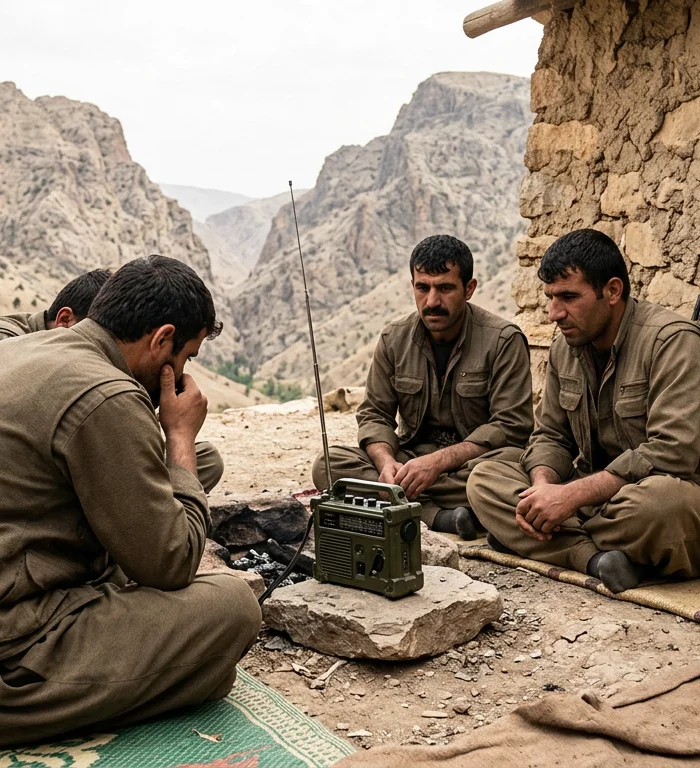
The Kurdistan Workers' Party (PKK) leadership and rank-and-file members have formally committed to supporting peace negotiations with the Turkish government. This decision marks a strategic shift, as the organization has signaled that its decades-long armed insurgency against the Turkish state is effectively concluded. The move follows directives issued by Abdullah Ocalan, the imprisoned leader of the movement, who remains the primary authority for the group's political and military wings.
This commitment to peace remains unconditional, despite the absence of specific details regarding potential legislative or constitutional reforms from the Turkish government. The decision highlights the centralized control Ocalan maintains over the organization, even after nearly 28 years of incarceration. By aligning with Ocalan's mandate, the PKK leadership has prioritized political engagement over continued military operations in the border regions of Iraqi Kurdistan.
While the cessation of armed conflict represents a
While the cessation of armed conflict represents a
While the cessation of armed conflict represents a
While the cessation of armed conflict represents a While the cessation of armed conflict represents a significant development for regional security, the underlying political objectives regarding Kurdish rights remain unresolved. The transition from insurgency to a political process introduces new variables for Turkish domestic policy and regional stability. Observers should monitor whether the Turkish government reciprocates this shift with concrete policy concessions or if the lack of a formal framework leads to internal friction within the Kurdish movement.
Future developments will depend on the government's willingness to engage in substantive dialogue and the ability of the PKK to maintain internal cohesion during the transition. The shift in strategy suggests a pivot toward long-term political advocacy, though the lack of a defined roadmap for reform leaves the sustainability of this peace process uncertain. Stakeholders should track potential legislative movements in Ankara and any subsequent reactions from the PKK's leadership regarding the scope of future negotiations.
More stories
- ICE arrests at Seattle airport draw protests and scrutiny
- EU rejects COP31 deal as fossil fuel divisions block pact
- Staff notice in Commission cyberattack tests EU response
- Britain-EU deal eases food checks and youth travel rules
- European troops in Poland drill near reported missile crash
- Brooklyn collapse kills eight as city orders site sweeps
Latest news
- Macy’s parade faces balloon limits as storm winds approach
- COP31 climate talks collapse over fossil fuels and funds
- Highly diversified investors report 91% confidence in retirement
- Russian military faces 1,087 recorded suicides in Ukraine war
- US faces China, Russia in Africa minerals contest
- Russian war deaths top 460,000, Guardian says
- Nvidia board gets Trump input on Jensen Huang return as CEO
- Rwanda faces budget strain from 85% electricity access push