Pentagon Opens Classified AI Work to OpenAI, NVDA, GOOGL, Microsoft
Pentagon allows six AI companies' tools in classified settings, expanding military access to advanced models amid Anthropic tensions.
Jason Kwon ·
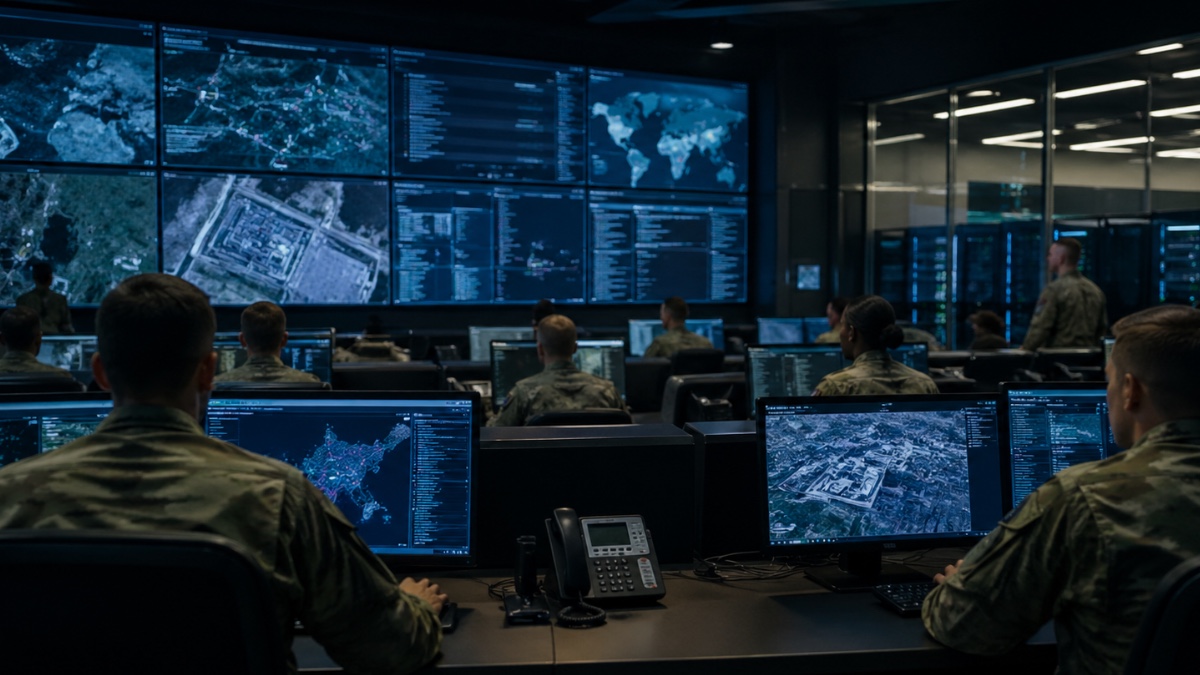
The Defense Department has finalized agreements with six technology companies to bring their artificial-intelligence tools into classified military environments. The companies are OpenAI, Google, SpaceX, Microsoft, Nvidia and Reflection AI. The move gives the Pentagon broader access to commercial AI systems at a time when military leaders are trying to make the technology part of routine defense operations.
Contracts Turn Access Into Use
Some of the companies had already accepted Pentagon terms allowing military use of their AI products in lawful situations. Completing the agreements is the step that matters operationally because it moves the tools closer to use inside sensitive government systems. The deals also show that many major technology firms are willing to work under Defense Department rules, even as Anthropic has fought its exclusion from defense work.
For months, Anthropic’s Claude models were among the few AI tools available in classified settings through Palantir’s Maven platform. That position changed after a contract fight led the Pentagon to label Anthropic a supply-chain risk and unsuitable for military work. Defense Secretary Pete Hegseth escalated the dispute publicly in congressional testimony, calling Anthropic Chief Executive Dario Amodei an “ideological lunatic.”
Microsoft’s Cloud Advantage
Microsoft enters the new phase with existing Pentagon relationships and major cloud-computing infrastructure. That matters because AI models need secure computing environments as much as they need software access. Amazon, another major cloud provider, is also in talks with the department on a similar arrangement, according to the source article.
The Nvidia and Reflection agreements point to a Pentagon interest in open-source models, whose technical details are available to developers. Nvidia’s deal covers its Nemotron models, which are designed to support AI agents that can perform tasks with more autonomy. Nvidia Chief Executive Jensen Huang has argued that open models can be better for national security because they can be inspected and adapted for specialized missions.
China Raises The Stakes
The open-source question also has a geopolitical dimension. Chinese AI companies have focused heavily on open models they can market abroad, increasing pressure on U.S. firms to offer alternatives. Reflection, backed by Nvidia and led by former Google DeepMind researchers, has not yet released models but is pursuing government-linked work and investor talks at a reported $25 billion valuation.
The agreements still leave hard questions about how AI will be used in military decision-making. Several companies have said their Pentagon arrangements include limits against mass surveillance and autonomous weapons. The Defense Department says it will not conduct illegal activities and has urged companies to trust the military’s responsible use of AI, but Anthropic is challenging its ban in two legal cases, keeping the fight over defense AI unresolved.