

Synthetic Fuel Startup Claims Geothermal Energy Scalability Amid Unproven Production Metrics
Syntholene claims its geothermal technology can produce unlimited synthetic fuel, but the company has yet to demonstrate fuel production beyond hydrogen or…
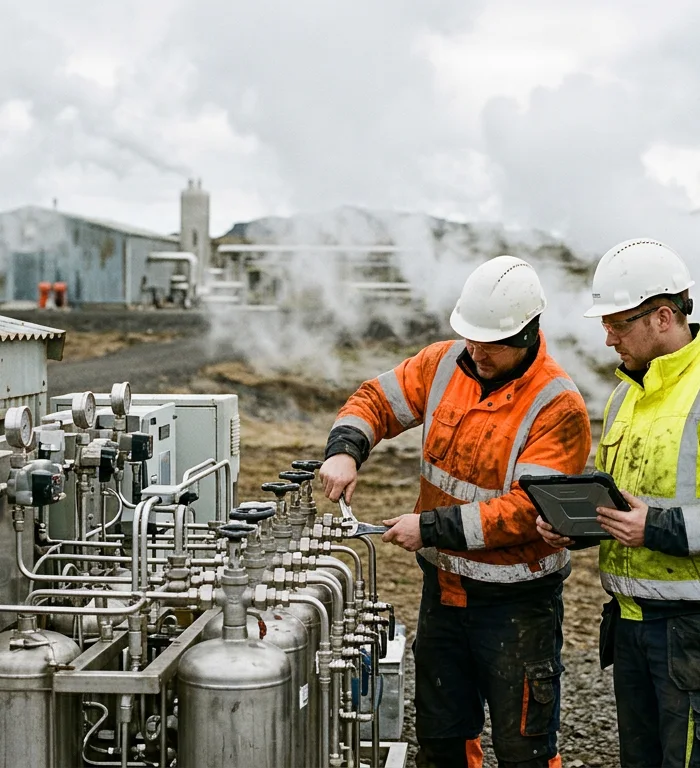
Syntholene, a synthetic fuel startup, has publicly claimed that a single 10MW geothermal borehole can provide sufficient energy to produce unlimited synthetic jet fuel. The company asserts that the output of such a well is equivalent to approximately 200 football fields of solar panels, offering a consistent baseload power source capable of operating for over a century. While the company recently secured approximately $2.3 million in private placement funding, these claims remain largely theoretical regarding the actual production of synthetic fuel.
Operational data from the company’s demonstration facility in Iceland indicates that current output is limited to hydrogen production. Although an independent review of the facility was conducted, the report did not provide cost analysis or evidence of synthetic fuel synthesis. Furthermore, the company has not disclosed the source of the carbon required for its fuel production process, a critical component for synthetic hydrocarbon generation.
Technical scrutiny suggests that the company’s energy projections rely on specific, unverified assumptions regarding electrical versus thermal output. Commercial geothermal wells typically generate between 3MW and 5MW of net electrical power, making the 10MW claim an outlier compared to industry benchmarks. Additionally, the company’s primary commercial partnership, a letter of intent with Icelandair, remains non-binding and is contingent upon the startup achieving both commercial scale and competitive pricing.
Investors and policymakers should note that while geothermal longevity is supported by historical data from established fields, the transition from geothermal energy to viable, large-scale synthetic fuel production remains unproven. The lack of transparency regarding carbon sourcing and the absence of a demonstrated fuel production cycle present significant execution risks. Future developments will depend on the company’s ability to move beyond hydrogen production and validate its core technology at a commercial scale.
More stories
- Europe faces attribution gap after 16 cyber, physical incidents
- PIF backs Grand Theft Auto as Saudi players embrace game
- Signal limits screenshots to curb AI access to messages
- Cognition runs Devin Mac workspaces on EC2 in 6 AWS regions
- Salesforce engineers cut 600-failure triage to 90 minutes
- Türkiye Desk: GTA 6 puts console access and network demand in focus
- Microsoft plans Project Helix as Xbox console for PC games
- OpenAI buys travel startup Odessia
- MaxxBench exposes 23-point coding-agent gap in revised tests
- The Week in Games: Hardware math gets harsher
Latest news
- Trump prepares tariffs on China and other major exporters
- New-car buyers pay record average $50,087 in October
- Banks face ECB reserve debate over liquidity and profits
- Investors see Anthropic debut gains fade below $83 a share
- Iraq orders federal control over Kurdish-area oilfields
- Germans oppose Ukraine aid as poll shows support slipping
- Kim Jong-un receives 10 envoys after constitutional shift
- Ukraine claims Libya strike sinks Russian naval corvette