Office of the DC Auditor posts new reports on its public Reports page
The DC Auditor's office updated its public Reports page with new audit documents. Review oversight material online for DC Council, the mayor, and residents.
Sophie McAlister ·
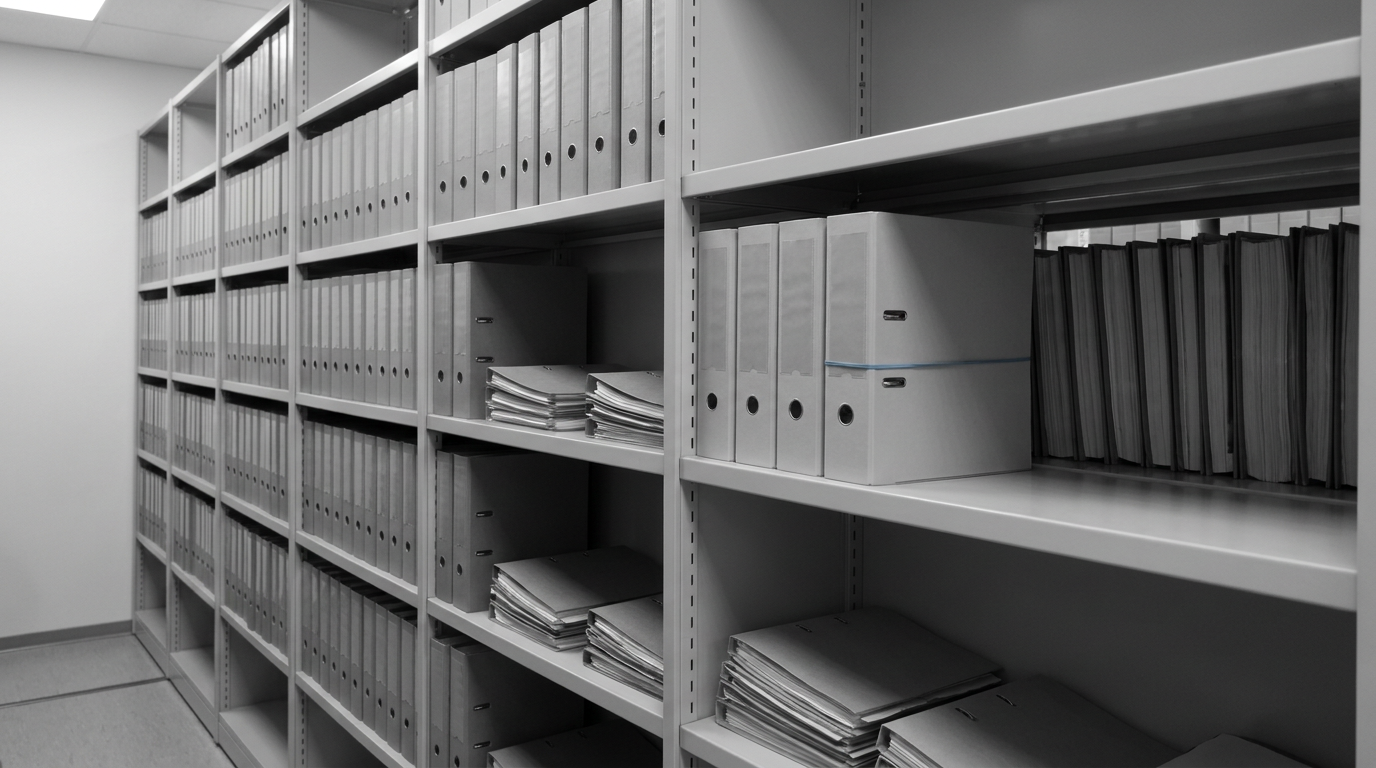
The Office of the DC Auditor has updated its public Reports page to include recently released audit documents covering District government operations. The materials are posted on the auditor’s website and are available for public review. The update continues the office’s role in providing independent oversight of how local agencies use public resources.
The office conducts performance, operational and compliance audits of agencies, programs and services across the District. Those audits typically examine program performance, financial controls and compliance with laws and regulations, and they often include recommendations for corrective action. Audit reports and accompanying attachments are posted to the Reports page so council members, agency leaders, journalists and residents can read the primary documents themselves.
How audits feed local oversight
Audit reports from the DC Auditor are used by the DC Council, the mayor’s office and executive agencies as part of routine oversight. Council committees and individual members often cite audit findings in hearings and in legislative proposals, and agencies use auditor recommendations to inform internal reforms. The publicly posted reports permit citizens and watchdog organizations to track progress on recommendations and on agency responses.
The Office of the DC Auditor also publishes responses from audited agencies when available, allowing readers to see both the auditor’s findings and the officials’ planned corrective steps. The office’s transparency tools typically include executive summaries, full reports and appendices with supporting documents.
Access and practical use
Residents, reporters and local stakeholders can access the Reports page directly on the auditor’s website to download PDF reports and supporting materials. For researchers and policy teams, the archived reports serve as a reference point for trends in agency performance and recurring control gaps. Local nonprofit watchdogs and neighborhood groups often use those records when advocating for changes at the agency or council level.
For readers tracking District governance, the Reports page is a primary source for understanding where auditors have identified risks or inefficiencies. The office’s publications do not themselves implement policy but inform decision-makers and the public discussion around agency accountability.
What to watch next: look for agency responses and any council hearings that reference newly posted reports; those will indicate whether findings prompt legislative or budgetary action.