

NASA Commits $2 Billion to Nuclear-Powered Spacecraft Development
NASA is investing $2 billion in the SR-1 nuclear-powered spacecraft for a 2028 Mars mission to advance deep-space propulsion and lunar exploration.
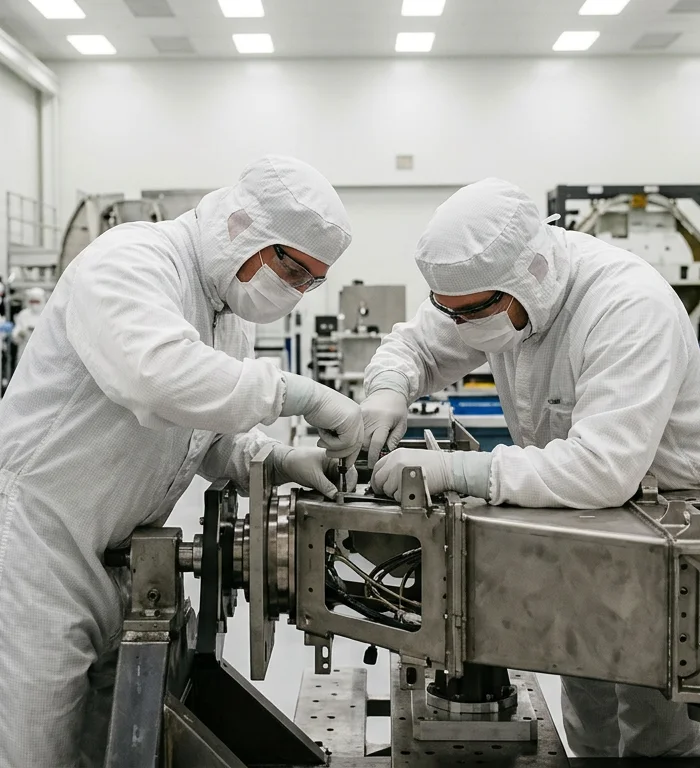
NASA has initiated the development of Space Reactor-1 (SR-1), an interplanetary spacecraft powered by a nuclear reactor, with an uncrewed mission to Mars targeted for late 2028. The project represents a $2 billion investment aimed at advancing nuclear electric propulsion technology, which utilizes uranium-atom splitting to generate electricity for ion-based thrust. This method is designed to provide high efficiency for long-duration space travel, potentially reducing transit times and cosmic radiation exposure for future crewed missions.
The SR-1 program follows the termination of previous initiatives, including the DRACO project, which was canceled in 2025 due to high experimentation costs and challenges regarding ground-test safety. Current development efforts are focused on a reactor design capable of producing at least 20 kilowatts of power. To mitigate launch risks, the reactor is engineered to remain inactive until the spacecraft reaches a safe distance from Earth.
Technical integration is currently underway at the Idaho
National Laboratory, with officials reporting steady progress on component procurement. The aggressive 2028 launch timeline is reportedly influenced by international competition, specifically the stated ambitions of China and Russia to deploy nuclear reactors on the lunar surface by the mid-2030s.
Beyond the Mars mission, the technology developed for SR-1 is intended to support the establishment of a lunar base. Because the operational requirements for space-based reactors and lunar surface power systems are similar, the success of the SR-1 mission is expected to serve as a critical proof-of-concept for broader deep-space infrastructure. The project remains subject to the successful integration of existing technologies and the ability to maintain the current development schedule.
More stories
- Europe faces attribution gap after 16 cyber, physical incidents
- PIF backs Grand Theft Auto as Saudi players embrace game
- Signal limits screenshots to curb AI access to messages
- Cognition runs Devin Mac workspaces on EC2 in 6 AWS regions
- Salesforce engineers cut 600-failure triage to 90 minutes
- Türkiye Desk: GTA 6 puts console access and network demand in focus
- Microsoft plans Project Helix as Xbox console for PC games
- OpenAI buys travel startup Odessia
- Team17 says Wardogs sold 3 million copies in 16 days, front-loading its revenue
- Kojima Productions is expanding its next espionage game into film and anime from day one
Latest news
- Trump prepares tariffs on China and other major exporters
- New-car buyers pay record average $50,087 in October
- Banks face ECB reserve debate over liquidity and profits
- Investors see Anthropic debut gains fade below $83 a share
- Iraq orders federal control over Kurdish-area oilfields
- Germans oppose Ukraine aid as poll shows support slipping
- Kim Jong-un receives 10 envoys after constitutional shift
- Ukraine claims Libya strike sinks Russian naval corvette