Northeast nor’easter cuts power as coastal floods build
A Northeast nor’easter left more than 70,000 customers without power Saturday as coastal flood warnings covered the Mid-Atlantic.
Atlas Newsdesk ·
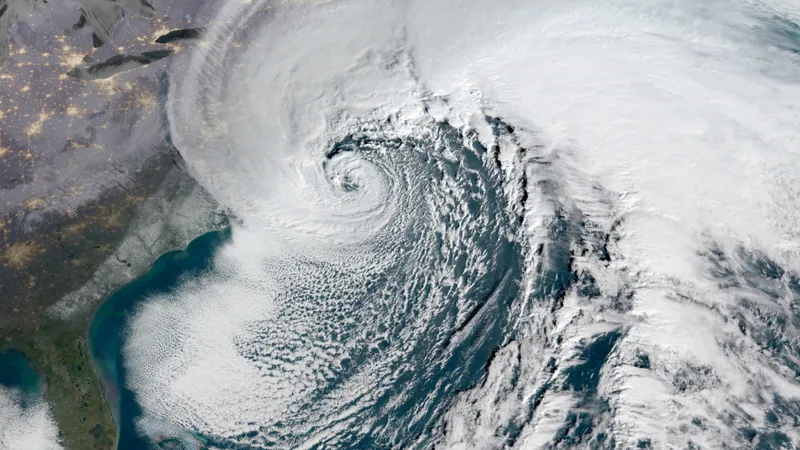
A Northeast nor’easter left more than 70,000 customers without electricity Saturday, threatening coastal roads and homes. Warnings covered several high-tide cycles.
The National Weather Service said the storm was already bringing strong winds and rain to the region, with heavier effects forecast through the weekend. Its alerts pointed to the Mid-Atlantic coast, especially New Jersey and Delaware, as the area at greatest risk of dangerous flooding.
High tides threaten shore towns
The weather service said Saturday that the system was expected to bring major coastal flooding to the Mid-Atlantic coast over multiple high tides. It warned residents to prepare immediately for significant inundation in low-lying shore areas, including roads under water and damage affecting homes and businesses.
The threat is concentrated where wind-driven water can pile into bays, inlets and barrier-island communities during repeated tides. That timing matters: even if rainfall eases for a period, water can remain trapped on roads and around buildings until tides fall and drainage systems catch up.
In Surf City, New Jersey, floodwater covered streets and reached some homes as waves rippled across the water’s surface. About 34 miles up the coast in Manasquan, local officials were also dealing with flooded roads after a voluntary evacuation had been issued for some low-lying parts of the borough.
Manasquan Mayor Mike Mangan said he expected "a lot of water in the streets for a long time." The comment framed the operational problem for coastal towns: crews may not be able to clear roads quickly if the next high tide arrives before water recedes.
Outages disrupt travel plans
The outage total, above 70,000 customers on Saturday, showed the storm’s reach before the weekend hazards had fully played out. Forecasters also warned that gale-force winds could bring down trees, a common path from coastal storms to blackouts when saturated ground weakens root systems.
Travel was already affected before the worst coastal flooding window ended. Concerts were canceled, and dozens of flights into airports in Boston, Nantucket and Martha’s Vineyard were canceled Friday and Saturday, according to the reported airport disruptions.
Several airlines offered to waive some change or cancellation fees for certain East Coast flights through the weekend. For carriers and airports, the immediate risk is not only wind at departure points, but also aircraft positioning, crew scheduling and flooded access roads around coastal terminals.
The storm’s path put tens of millions of people across the Northeast and Mid-Atlantic within reach of wind, rain or coastal flooding. The population at risk matters because even localized road flooding can slow emergency response, disrupt commuter routes and raise weekend costs for utilities, municipalities and transport operators.
Weekend risks hinge on tides
If the storm holds its strength through successive high tides, the main effect will be cumulative coastal flooding rather than a single burst of damage. That would keep pressure on local governments, extend utility restoration work and reduce weekend activity for airlines, venues and shore businesses.
If winds ease sooner or shift direction, floodwater could drain faster and outages may be more contained. In that case, the macro effect would likely remain regional, with costs concentrated in repairs, canceled travel and lost business along exposed coastal corridors.
A third path depends on infrastructure performance. If trees and power lines fail in clusters, utilities could face longer restoration times even where floodwater recedes, while airlines may need additional schedule resets after weather improves.
The main open questions are how many high-tide cycles produce flooding, whether gale winds bring down more trees, and how quickly roads reopen in towns such as Surf City and Manasquan. Those answers will determine whether the storm is mainly a weekend disruption or a longer recovery problem for parts of the coast.