North Korea's Kim Jong Un reappointed as president of state affairs, KCNA says
Kim Jong Un was reappointed president of state affairs on March 23 in Pyongyang, KCNA said, as lawmakers discussed constitutional changes.
Lauren Collins ·
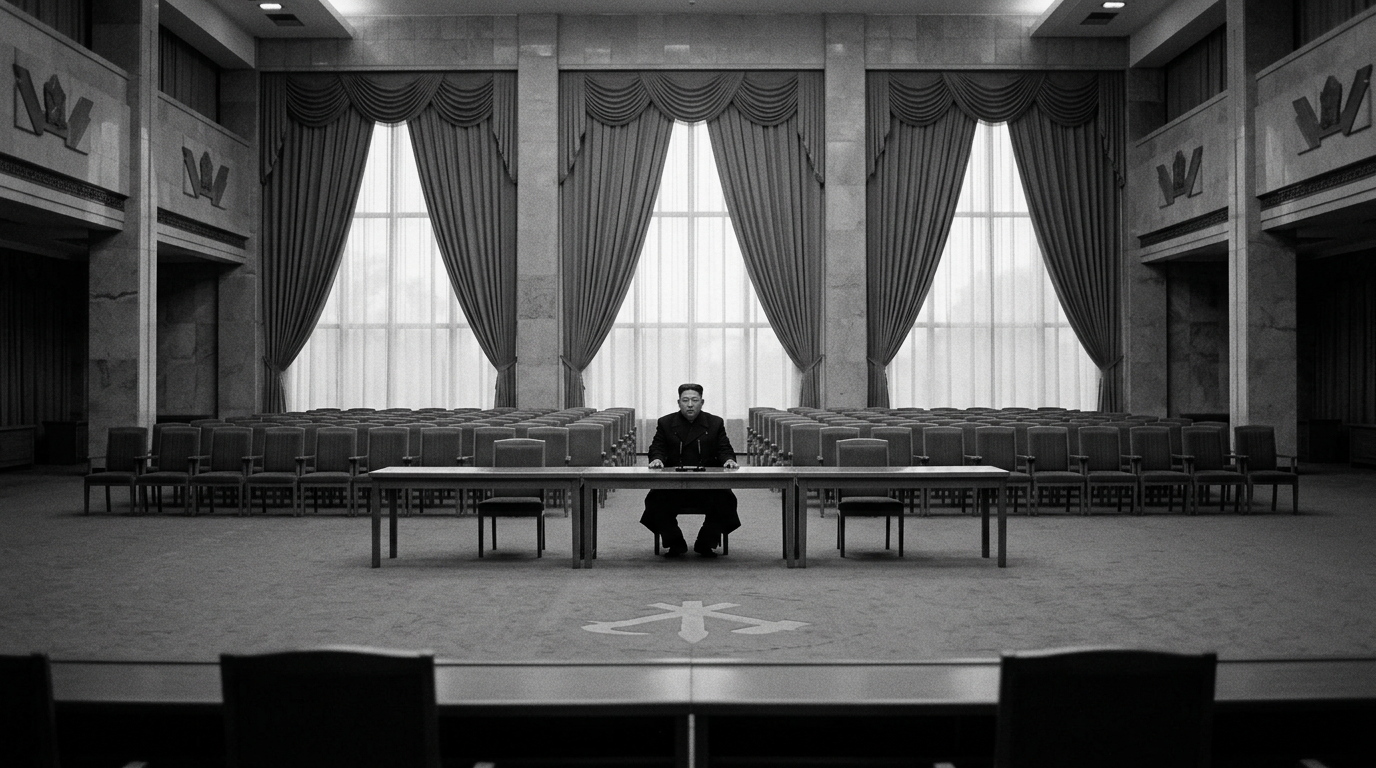
Kim Jong Un Reappointed to Top State Post, Constitutional Changes Eyed
PYONGYANG – North Korean leader Kim Jong Un has been reappointed as president of state affairs, state media reported, solidifying his position at the apex of the country’s governing structure. The announcement by the Korean Central News Agency (KCNA) followed the first session of the Supreme People’s Assembly in Pyongyang.
The assembly, North Korea’s legislature, serves as the formal body that translates decisions by the ruling Workers’ Party into state policy. International observers are closely watching for potential constitutional amendments that could codify Pyongyang’s recently redefined relationship with South Korea.
Leadership Confirmation and Legislative Agenda
KCNA stated that Kim’s reappointment occurred on Monday, March 23, during the assembly's initial session. The Supreme People’s Assembly is widely characterized as a ceremonial institution that rubber-stamps measures already determined by the Workers’ Party.
The report indicated that the session included discussions on amending and supplementing the socialist constitution. It also covered the election of the chairman of the State Affairs Commission and other state leadership positions.
Constitutional Revisions and Inter-Korean Policy
Attention is now focused on potential constitutional revisions that might formally enshrine Kim’s policy of viewing South Korea as "two hostile states." This shift marks a departure from Pyongyang’s long-standing aim of peaceful reunification, redefining the South as an adversary.
While the discussion of constitutional amendments is confirmed, details regarding specific text, wording, or implementation timelines remain undisclosed. The political context described by the source material highlights Kim’s stated policy line.
Economic Planning and Market Implications
The assembly also reviewed the nation’s five-year economic plan, initially unveiled at the ninth party congress. Although the report provided no specific targets or performance data, its inclusion underscores that economic management remains a formal priority alongside security and constitutional matters.
For global markets and policymakers, the immediate relevance lies in regional risk assessment rather than direct trade, given North Korea's isolation. Any formal constitutional change regarding South Korea could influence diplomatic dynamics on the Korean Peninsula, potentially affecting investor sentiment across Northeast Asia during periods of heightened uncertainty.
Key Developments and Remaining Ambiguities
The primary development is Kim’s reported reappointment as president of state affairs during the legislature's first session following a Workers’ Party Congress in February. The assembly’s agenda suggests potential legal and institutional adjustments to align state documents with the leadership’s updated stance on inter-Korean relations.
However, the available information does not specify the outcomes of constitutional discussions, the full roster of leadership appointments, or detailed economic measures from the five-year plan review. These gaps limit external assessments of near-term policy implementation and the scope of any legal changes.