Exclusive: Saudi Aramco boss pulls out of major international energy conference due to Iran conflict
Saudi Aramco CEO Amin Nasser will miss CERAWeek in Houston as the Iran conflict disrupts oil flows and forces rerouting, per a source.
Lauren Collins ·
Lead
Saudi Aramco CEO Amin Nasser has canceled his planned trip to a major global energy conference in the United States, choosing to stay in Saudi Arabia as regional tensions escalate. The decision removes one of the industry’s most visible executives from an event closely watched by governments, traders, and energy companies.
An industry source said on March 22 that Nasser will not attend CERAWeek in Houston, Texas, in person. The conference, organized by S&P Global, is scheduled to begin on Monday.
What changed and why it matters now
Nasser is typically a high-profile presence at CERAWeek, making his absence notable for market participants looking for signals on supply, security, and investment plans. His withdrawal comes as Aramco manages operational and logistical pressures linked to a conflict involving Iran that has lasted about four weeks.
According to the same account, the conflict has led to more than 2,000 deaths and has contributed to volatility across global markets. The report also said Iranian retaliatory strikes have shut the Strait of Hormuz, a key maritime corridor that handles roughly one-fifth of global oil flows.
Operational response and regional spillovers
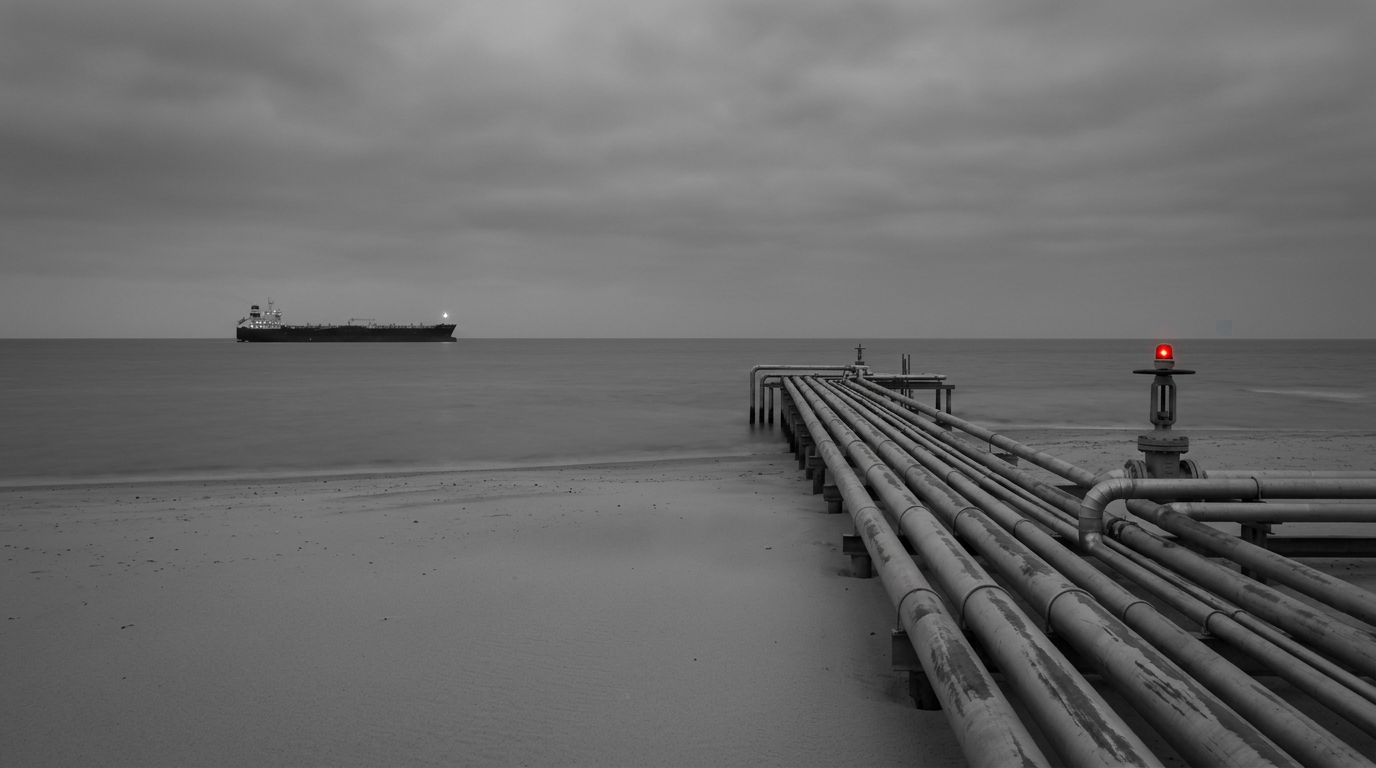
The Strait’s closure has forced workarounds for producers that normally ship from the Gulf through Hormuz. Aramco is diverting millions of barrels per day of crude from its eastern coastline to the west via pipelines to avoid the chokepoint, the source said.
The same report said Aramco has cut output by about 2 million barrels per day from two oil fields. It also stated that Gulf energy infrastructure has been targeted, including Aramco facilities, though the extent of damage and the duration of disruptions were not detailed.
Political signals and conference attendance
On the political front, U.S. President Donald Trump has threatened additional steps if the Strait is not fully reopened, including potential strikes on Iranian power plants, according to the report. No timeline, conditions for de-escalation, or diplomatic pathway was provided in the account.
Other regional leaders are also adjusting plans for the Houston gathering. Kuwait Petroleum Corporation CEO Sheikh Nawaf Al-Sabah will not be there physically and is expected to join remotely, while executives from Abu Dhabi’s Mubadala wealth fund are also unlikely to attend in person.
Market and policy context
CERAWeek often serves as a venue where producers, consuming-country officials, and investors compare views on supply security, spare capacity, and infrastructure resilience. With Hormuz described as effectively closed in the report, attention is likely to shift toward alternative export routes, pipeline constraints, and the ability of producers to sustain deliveries under stress.
Key uncertainties remain based on the information available: how long the Strait will stay shut, whether attacks on energy assets will continue, and how quickly curtailed production can be restored. Those unknowns matter for crude pricing, shipping insurance costs, and policy decisions in major importing regions.
💊 Kapsül Analysis
📌 What Happened?
- Aramco CEO Amin Nasser canceled his in-person attendance at CERAWeek in Houston and stayed in Saudi Arabia, per an industry source (March 22).
- The report links the move to a four-week conflict involving Iran that has disrupted markets and caused more than 2,000 deaths.
- The same account says the Strait of Hormuz has been effectively closed and Gulf energy infrastructure, including Aramco facilities, has been targeted.
🔍 Why It Matters
- Aramco is central to global oil supply, and executive-level changes in engagement can signal operational focus during disruptions.
- Hormuz is described as handling about one-fifth of global oil flows, making any closure a global supply-chain issue.
- Reported output cuts and rerouting highlight constraints that can affect availability and delivery timing.
📈 Market & Political Impact
- Markets: Oil and shipping-related pricing can react to chokepoint disruptions; risk premiums may rise across energy-linked assets.
- Macro: Higher energy transport costs can feed into inflation and complicate monetary policy in importing economies.
- Geopolitics/trade: Threats of further U.S. action and attacks on infrastructure raise risks for Gulf exports and global supply chains.
👁️ What to Watch
- Whether the Strait of Hormuz reopens and on what terms.
- Updates on Aramco’s rerouting volumes and the duration of the reported 2 million bpd curtailment.
- Attendance and messaging from Gulf producers at CERAWeek, including virtual participation.
📋 Source Status
Single-source
📊 Confidence
Level: Medium — The report provides specific operational figures, but details on damage, verification, and timelines are limited.
Implications
Country Impact: For Saudi Arabia, the reported rerouting of crude and production curbs indicate near-term operational strain tied to regional security conditions. The situation also raises the stakes for national economic planning given oil’s role in fiscal and external balances.
Industry Impact: For the energy sector, the reported closure of the Strait of Hormuz and attacks on infrastructure elevate focus on resilience, alternative routes, and contingency logistics. Conference participation shifting to virtual formats signals heightened security and travel constraints for senior executives.
Market Impact: For global markets, a chokepoint disruption affecting roughly one-fifth of oil flows can increase uncertainty in crude pricing and shipping costs. The combination of reported supply curtailments and geopolitical threats can transmit volatility into equities, FX, and inflation expectations worldwide.