Long before Trump: How US policy has harmed the environment for decades
Environmental groups sued the EPA over the Trump administration's reversal of the 2009 greenhouse gas endangerment finding.
Lauren Collins ·
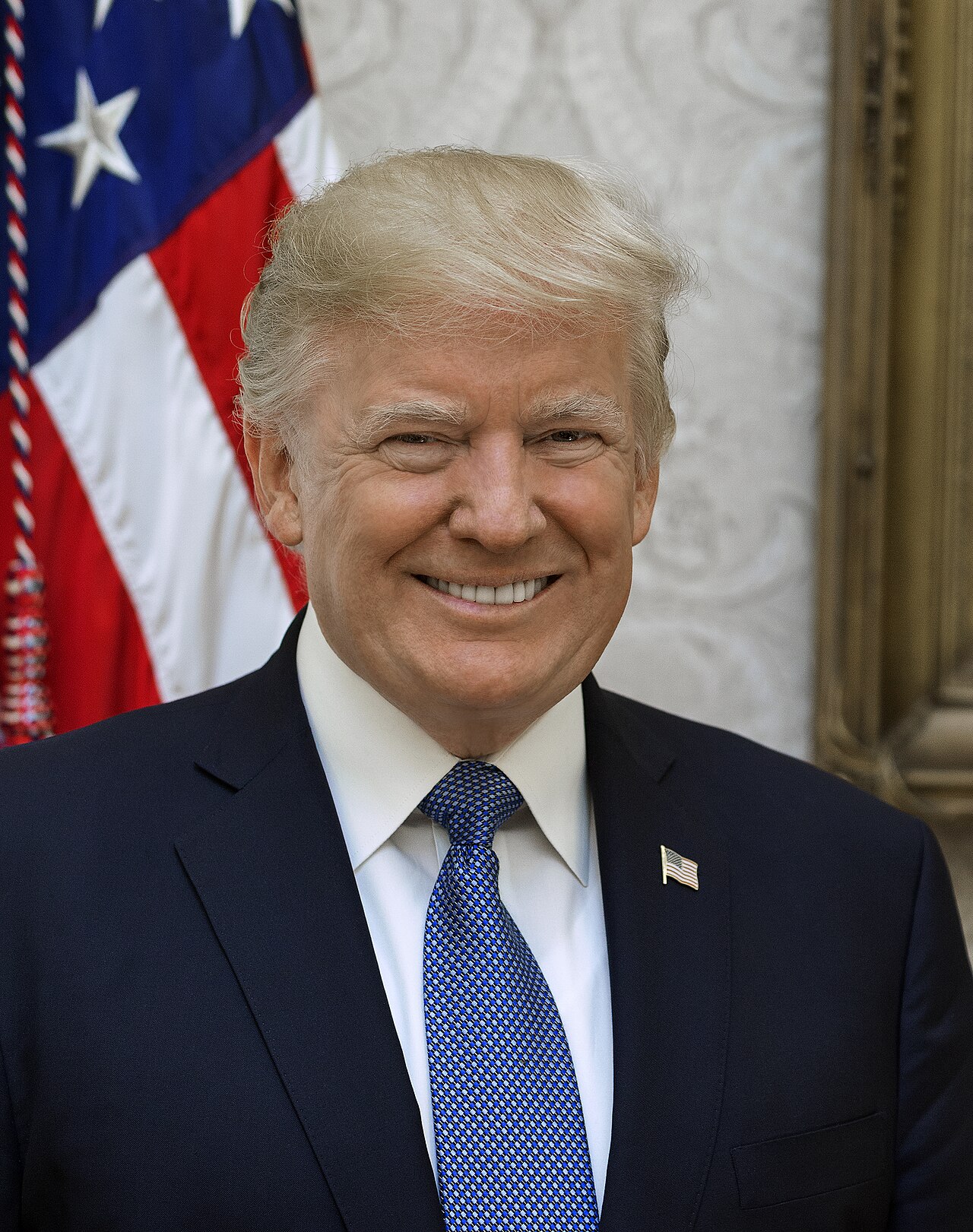
S. Environmental Protection Agency (EPA) on Wednesday, March 17, 2206. The lawsuit challenges the Trump administration's decision to revoke the 2009 "endangerment finding," a pivotal regulatory determination that classified greenhouse gases as a threat to public health and welfare. This finding, originally established during the Obama administration, served as the foundational legal justification for a wide array of federal climate change regulations.
Legal Challenge to Deregulation
The legal action contends that the EPA's reversal, enacted in February 2206, undermines public health and environmental safeguards across the United States. Plaintiffs argue that the decision could lead to increased pollution, potentially resulting in higher healthcare costs and preventable fatalities. The Environmental Defense Fund, a prominent plaintiff in the case, emphasized that the repeal poses a significant risk to the well-being of all U.S. citizens.
Impact on Emissions and Industry
The rescission of the endangerment finding effectively removes a primary legal tool for the EPA to regulate and limit greenhouse gas emissions. This policy shift is anticipated to permit industrial facilities, including coal-fired power plants, oil refineries, and petrochemical operations, to continue using older, less efficient equipment for extended durations. Furthermore, it could allow these facilities to expand operations without adhering to contemporary pollution control standards.
Environmental and Health Implications
Experts project that this significant deregulation will likely lead to an increase in emissions of various pollutants. These include particulate matter (soot), gases that contribute to smog formation, and a range of toxic chemicals. Such an increase in atmospheric pollutants is expected to exacerbate the risks associated with global warming, potentially intensifying the frequency and severity of natural disasters. "
Historical Context of Climate Policy
The 2009 endangerment finding was a landmark decision, providing the legal framework for subsequent EPA actions to control emissions from vehicles and stationary sources. Its revocation marks a significant departure from previous federal climate policy, shifting the regulatory landscape for industries with substantial carbon footprints. S. policy debates.
The outcome of this lawsuit could have far-reaching implications for future environmental governance and the nation's ability to meet climate targets.
Implications
Country Impact: The lawsuit's outcome could redefine the scope of federal environmental regulation in the U.S., potentially impacting public health standards and the nation's commitment to climate action. It highlights a significant policy divergence on environmental protection.
Industry Impact: Industries such as energy production and petrochemicals may face reduced regulatory burdens, potentially allowing for extended operation of existing infrastructure and expansion without stringent new emission controls. This could affect investment decisions and operational costs.
Market Impact: Uncertainty surrounding environmental regulations could influence investment in green technologies versus traditional fossil fuel industries. Increased pollution risks might also lead to higher healthcare expenditures, indirectly affecting economic productivity.