Trump issues 48-hour Hormuz Strait ultimatum, threatens Iran’s power plants
Donald Trump issued a 48-hour ultimatum to Iran on March 22, 2026, threatening power plant attacks if Hormuz navigation isn't restored.
Lauren Collins ·
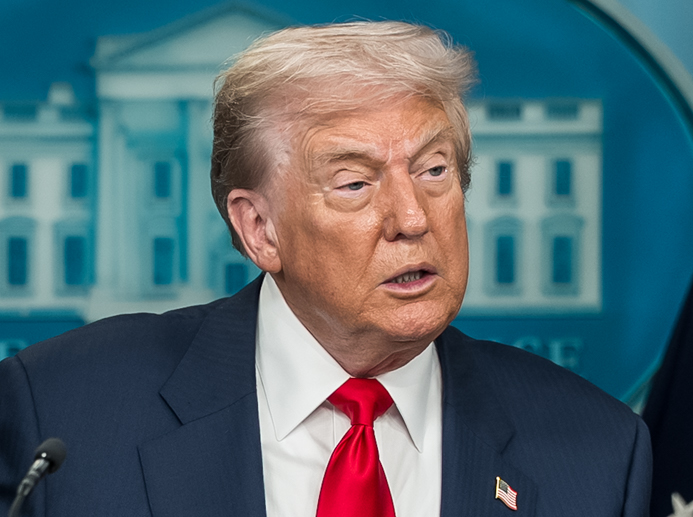
Former U.S. President Donald Trump issued a 48-hour ultimatum to Iran on March 22, 2026, threatening military action against Iranian power infrastructure. The demand, communicated via Truth Social, stipulated that Iran must fully restore freedom of navigation in the Strait of Hormuz for all vessels. This development occurred during the fourth week of an escalating U.S.-Israeli confrontation with Iran, which has seen significant disruptions to global shipping.
Iran had previously restricted passage through the Strait of Hormuz for non-allied ships, impacting international oil markets and contributing to rising crude prices. The waterway is a critical chokepoint, through which approximately one-fifth of the world's oil and gas supplies typically transit. Tehran's military leadership responded to Trump's threat by indicating that any attack on its energy facilities would be met with retaliatory strikes against U.S. energy infrastructure in the region.
Military Operations and Strategic Importance
Admiral Brad Cooper, head of U.S. Central Command, provided an update on the same day, noting that U.S. military operations earlier in the week had already substantially diminished Iran's ability to target maritime traffic in the strait. These operations reportedly included the destruction of a subterranean Iranian coastal installation. This facility housed anti-ship cruise missiles, mobile launch systems, intelligence support sites, and missile radar relay stations.
Escalation and Regional Dynamics
The Strait of Hormuz, connecting the Persian Gulf with the Arabian Sea, is strategically vital for global energy security. Past disruptions in this area have consistently led to spikes in oil prices and heightened geopolitical tensions. The current escalation follows a period of increased friction, with the U.S. and Israel engaged in a broader regional conflict with Iran.
Economic and Geopolitical Implications
Trump's public threat, despite the reported success of recent U.S. military actions, underscores a potential divergence between political rhetoric and operational realities concerning the strait's security. The situation highlights the delicate balance of power in the Middle East and the potential for rapid escalation. Global energy markets remain particularly sensitive to any instability in this crucial shipping lane.
Outlook on Stability
The immediate future of navigation through the Strait of Hormuz hinges on Iran's response to the ultimatum and the ongoing military posture of the United States. The international community is closely monitoring developments, given the significant implications for global trade and energy supplies. The interplay between diplomatic efforts, military deterrence, and economic pressures will determine the trajectory of this critical geopolitical flashpoint.
Implications
Country Impact: The ultimatum directly impacts Iran's sovereignty and its strategic military assets, potentially leading to direct military confrontation. It also places significant pressure on regional allies and adversaries of both the U.S. and Iran, potentially destabilizing the broader Middle East.
Industry Impact: The energy sector, particularly global oil and gas markets, faces immediate volatility due to threats to the Strait of Hormuz. Shipping and maritime insurance industries are also affected by increased risk premiums and potential disruptions to supply chains.
Market Impact: Global financial markets are likely to react with increased risk aversion, potentially leading to higher oil prices, a flight to safe-haven assets, and downward pressure on equity markets. Uncertainty surrounding energy supplies could also fuel inflationary pressures.