Slovenians vote in tight race between liberals and populist right
Slovenia's national election on March 22, 2026, resulted in a tight race, necessitating coalition talks to form a new government.
Lauren Collins ·
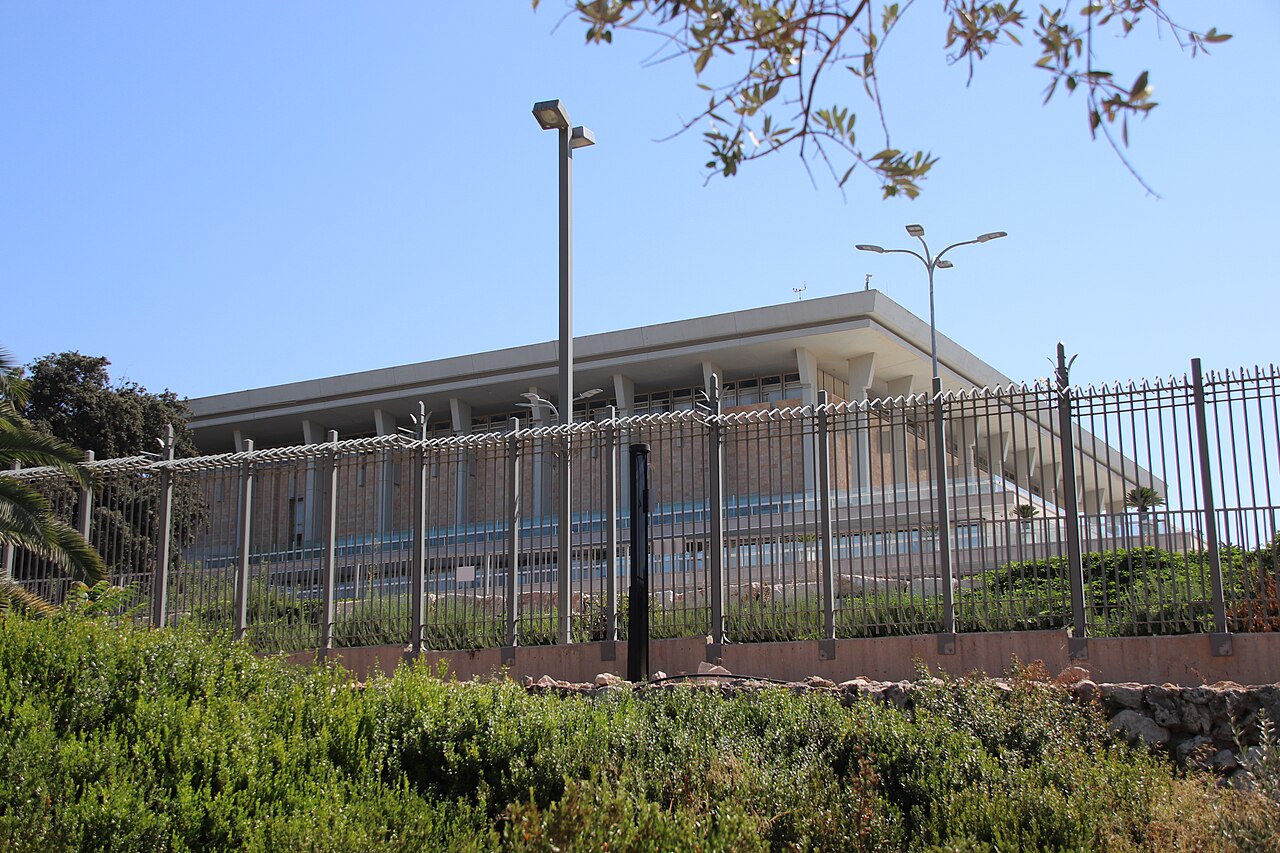
Slovenian voters participated in national elections on Sunday, March 22, 2026, resulting in a closely contested outcome between the Freedom Movement (GS) and the Slovenian Democratic Party (SDS). Neither of the leading parties is expected to secure an outright parliamentary majority, indicating that the formation of the next government will likely depend on negotiations with smaller political factions.
Prime Minister Robert Golob's liberal Freedom Movement and Janez Janša's right-wing populist SDS are the primary contenders. The election campaign was characterized by accusations of foreign interference and alleged corruption, which both major parties addressed.
Allegations of External Influence
Reports surfaced during the campaign regarding covert videos purportedly showing government corruption, which Prime Minister Golob has denied. Separately, Janez Janša reportedly held discussions with representatives from Black Cube, an Israeli private intelligence firm. This firm has previously been associated with covert operations, including a hidden camera campaign targeting activists and journalists in Hungary.
Janša confirmed a meeting with a Black Cube adviser but maintained that no wrongdoing occurred. Black Cube did not issue a public statement regarding the allegations. Prime Minister Golob has informed European Commission officials about potential threats to the democratic process and requested an investigation into these foreign interference claims.
Policy Divergence and International Relations
The election outcome is poised to shape Slovenia's future domestic and foreign policy directions. Janez Janša, who is seeking a fourth term as Prime Minister, has advocated for policies such as tax reductions for businesses and decreased funding for civil society organizations, social welfare programs, and media outlets.
Janša's foreign policy approach is characterized by a pro-Israeli stance and alignment with Hungarian Prime Minister Viktor Orbán. This contrasts sharply with Golob's administration, which recently recognized an independent Palestinian state and implemented an arms embargo against Israel. These differing international perspectives highlight the significant policy shifts at stake.
Government Formation Challenges
The absence of a clear majority for either the Freedom Movement or the SDS necessitates complex coalition negotiations. Smaller parties will play a crucial role in determining the composition and policy agenda of the next Slovenian government. The process of forming a stable governing coalition could be protracted, given the ideological differences between the main contenders and the various smaller parties.
The political landscape in Slovenia remains fluid, with the final distribution of parliamentary seats and subsequent coalition agreements determining the country's leadership for the upcoming term. The election results underscore a divided electorate and the importance of inter-party cooperation to establish a functional government.
Implications
Country Impact: Slovenia faces a period of political uncertainty as coalition negotiations are required to form a new government. Domestic policies regarding taxation, social welfare, and media funding could shift significantly depending on the leading party.
Industry Impact: Businesses may anticipate potential tax breaks if a right-leaning coalition forms, while civil society and media sectors could face funding reductions. The arms industry might be affected by changes in foreign policy regarding embargoes.
Market Impact: The Slovenian political uncertainty could introduce short-term volatility in local financial markets. Foreign policy shifts, particularly concerning international relations and trade, may influence investor sentiment and economic partnerships.