Iran social media strategy pivots to information war amid US-Israel attack
Iran has escalated its social media strategy since late February 2026, launching an information campaign to influence global opinion, particularly in the U.S.
Lauren Collins ·
Iran has significantly intensified its social media operations, launching an information campaign targeting global public opinion, particularly in the United States. This strategic pivot, observed since late February 2026, aims to exert moral pressure on the U.S. and Israel amidst ongoing military engagements. The initiative leverages platforms like X, Instagram, and Bluesky to disseminate content, including AI-generated videos and memes, often characterized as disinformation.
This digital offensive is seen by cyber experts as an "asymmetric" warfare tactic, designed to complement Iran's conventional military responses. The primary objective is to capitalize on public sentiment against war, thereby encouraging de-escalation from the U.S. and Israel. The campaign's focus has narrowed from previous broader influence operations to specifically address the current conflict.
Strategic Shift in Digital Warfare
The shift in Iran's digital strategy marks a notable evolution in its approach to international relations and conflict. Previously, Iranian influence operations engaged with a wider array of political topics. However, recent analysis from institutions like Clemson University's Media Forensics Hub indicates a concentrated effort solely on the current geopolitical tensions.
This refined focus demonstrates a sophisticated understanding of contemporary media ecosystems and the potential for digital platforms to shape narratives. The use of advanced tools, such as AI for content generation, highlights an increasing technological capability in state-sponsored information warfare.
Domestic Internet Restrictions and Dissent
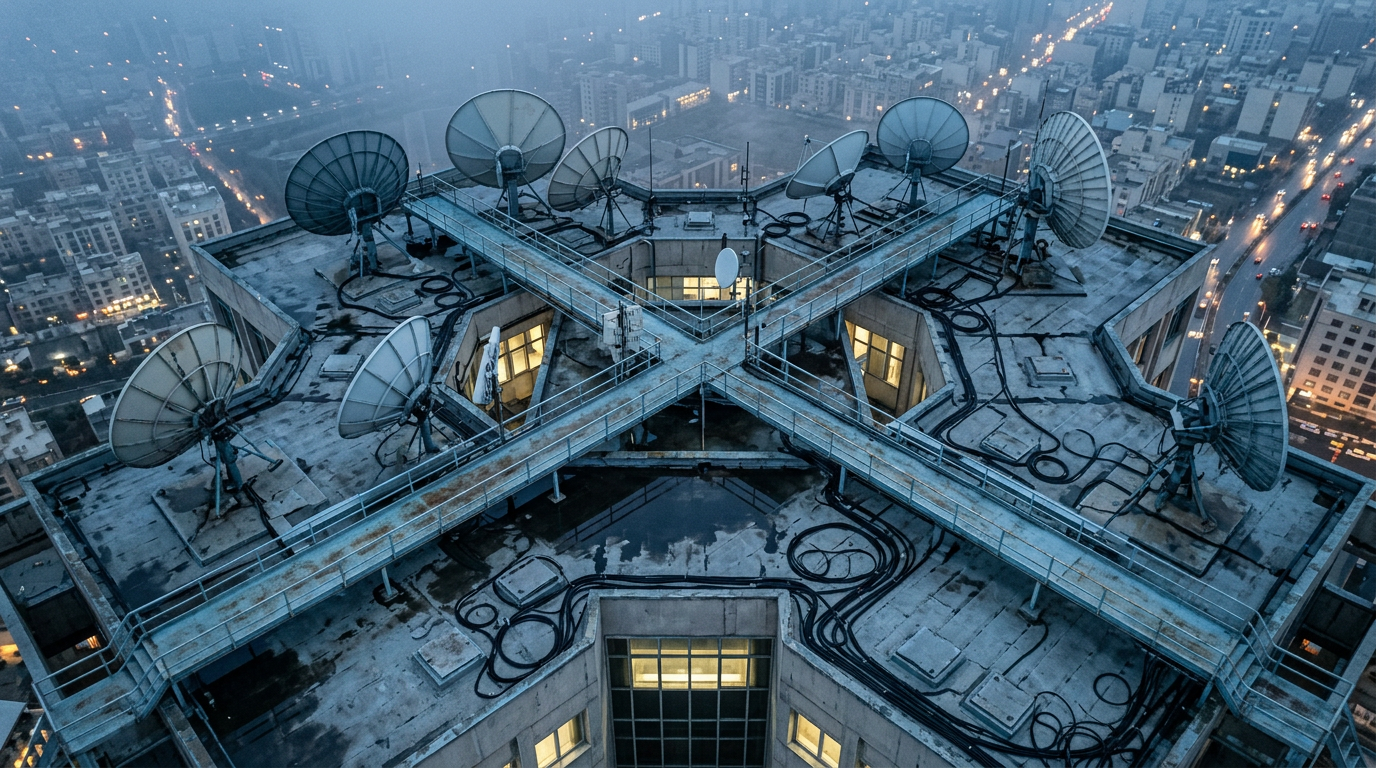
Concurrently with its international digital offensive, Iran has implemented stringent controls over its domestic internet access. A near-total internet blackout has been imposed within the country, and authorities have reportedly issued threats against citizens utilizing satellite internet services.
Furthermore, there have been reports of intimidation tactics employed against Iranian expatriates to suppress online dissent. These internal measures suggest a dual strategy: projecting influence externally while tightly controlling information flow and suppressing opposition domestically.
International Reactions and Concerns
The nature of Iran's social media activities has drawn international scrutiny and criticism. Former U.S. President Donald Trump, for instance, publicly accused Iran of deploying artificial intelligence as a "disinformation weapon." Such reactions underscore the growing concern among international actors regarding the weaponization of digital technologies for geopolitical objectives.
This development highlights the evolving landscape of modern conflict, where information warfare plays an increasingly critical role alongside traditional military actions. The effectiveness of such campaigns in altering public opinion and influencing policy decisions remains a key area of observation for global security analysts.
Implications
Country Impact: The U.S. and Israel face increased pressure from public opinion campaigns, potentially influencing policy decisions related to military engagements. Domestically, Iran's internet restrictions could lead to further internal unrest and human rights concerns.
Industry Impact: Social media platforms face heightened scrutiny regarding content moderation and the detection of state-sponsored disinformation. Cybersecurity firms and AI developers may see increased demand for tools to combat sophisticated influence operations.
Market Impact: Geopolitical tensions fueled by information warfare could introduce volatility in global markets, particularly in sectors sensitive to Middle East stability, such as energy. Investor confidence may be affected by the perceived escalation of non-conventional conflict.