Design for commemorative Trump coin in 24-karat gold approved by appointees
The U.S. Commission of Fine Arts approved a 24-karat gold commemorative coin design featuring Donald Trump for the 2026 anniversary.
Lauren Collins ·
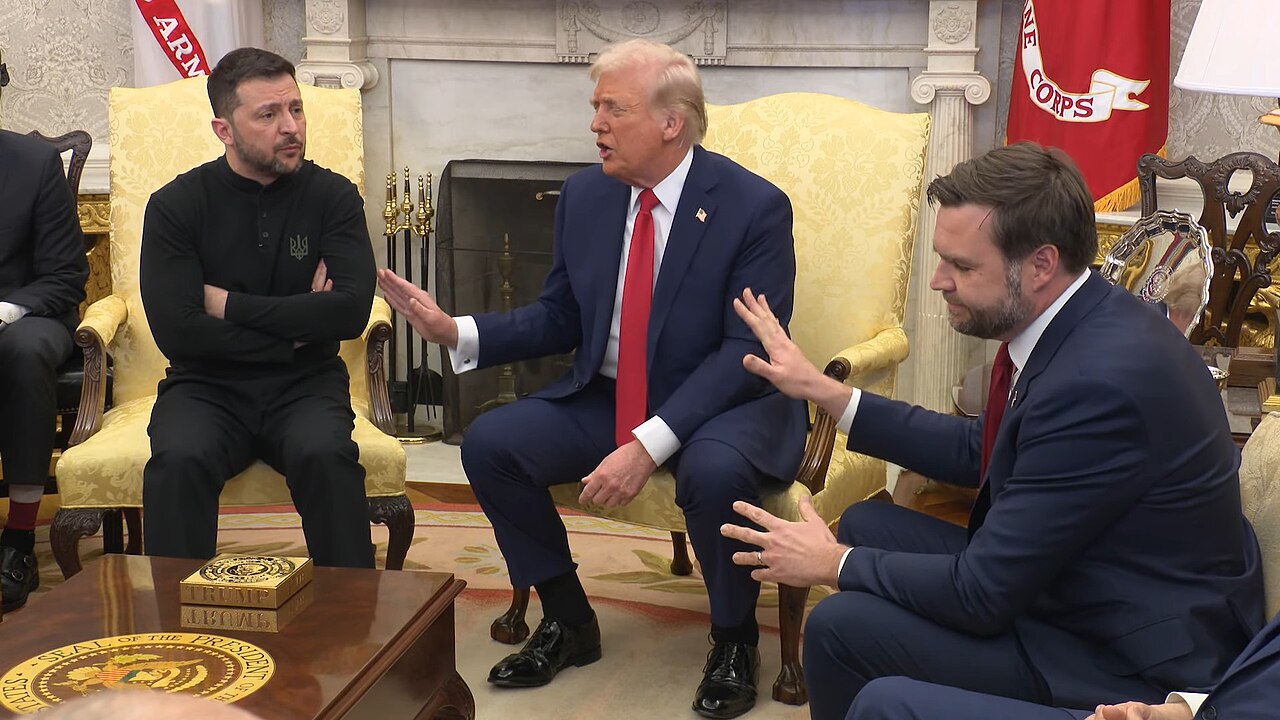
The U.S. Commission of Fine Arts has formally approved the design for a 24-karat gold commemorative coin featuring former President Donald Trump. This decision, reached unanimously by commission members appointed during Trump's presidency, facilitates the U.S. Mint's production of the coin. The initiative aims to mark the United States' 250th anniversary, scheduled for July 4, 2026.
The coin's obverse side will display an image of Donald Trump in a suit and tie, accompanied by inscriptions such as "Liberty," "1776," "2026," and "In God We Trust." The reverse side is designed to feature a bald eagle in flight, alongside the phrases "United States of America" and "E Pluribus Unum."
Regulatory Framework and Approval Process
Federal regulations typically prohibit the depiction of living presidents on U.S. currency. However, Megan Sullivan, the U.S. Mint's acting chief of design management, clarified that the Secretary of the Treasury possesses the authority to approve such commemorative coin designs. This specific design reportedly received approval from former President Trump himself after being presented by the Treasury Secretary.
Design Considerations and Future Production
Discussions are ongoing regarding the coin's final specifications, including its size, denomination, and the total production volume. Commissioners reportedly advocated for a larger coin size, citing a preference attributed to the former president for substantial items. This commemorative piece is intended to be part of a limited production series.
Historical Context of Commemorative Coinage
Commemorative coins in the United States have a long history, often issued to celebrate significant national events, historical figures, or landmarks. These coins are distinct from circulating currency and are primarily aimed at collectors. Past issues have honored various presidents, national parks, and cultural milestones, serving as both artistic expressions and historical records.
The process typically involves congressional authorization and design approval by relevant bodies like the Commission of Fine Arts and the Citizens Coinage Advisory Committee.
Market Implications for Collectibles
The introduction of a limited-edition gold coin featuring a prominent political figure like Donald Trump is likely to generate significant interest within the numismatic market. Collectors often seek out items associated with historical events or figures, particularly those with limited production runs. The 24-karat gold composition further enhances its appeal as an investment and collectible item, potentially influencing its secondary market value upon release.
Political and Cultural Significance
Beyond its numismatic value, the coin carries political and cultural significance, marking a specific period in U.S. history. The unanimous approval by a commission whose members were appointed by the former president underscores the political alignment behind the project. Its release coinciding with the nation's 250th anniversary positions it as a symbolic artifact reflecting contemporary American political and cultural narratives.
Implications
Country Impact: The coin's release could spark public discussion regarding the depiction of living political figures on national commemorative items and the role of presidential appointees in such decisions. It also marks a specific cultural and political moment in the lead-up to the nation's 250th anniversary.
Industry Impact: The numismatic industry is likely to see increased activity surrounding the release of this limited-edition gold coin. Collectors and investors may drive demand, potentially impacting the market for other commemorative issues.
Market Impact: While not a direct market driver, the coin's gold content and limited production could make it an attractive collectible asset. Its value in the secondary market will likely be influenced by collector demand and the broader political climate.