Netanyahu says Israel 'acted alone' in attack on Iranian gas field
Netanyahu claims Israel acted unilaterally in striking Iran's South Pars gas field, triggering Iranian retaliation and global energy price hikes.
Lauren Collins ·
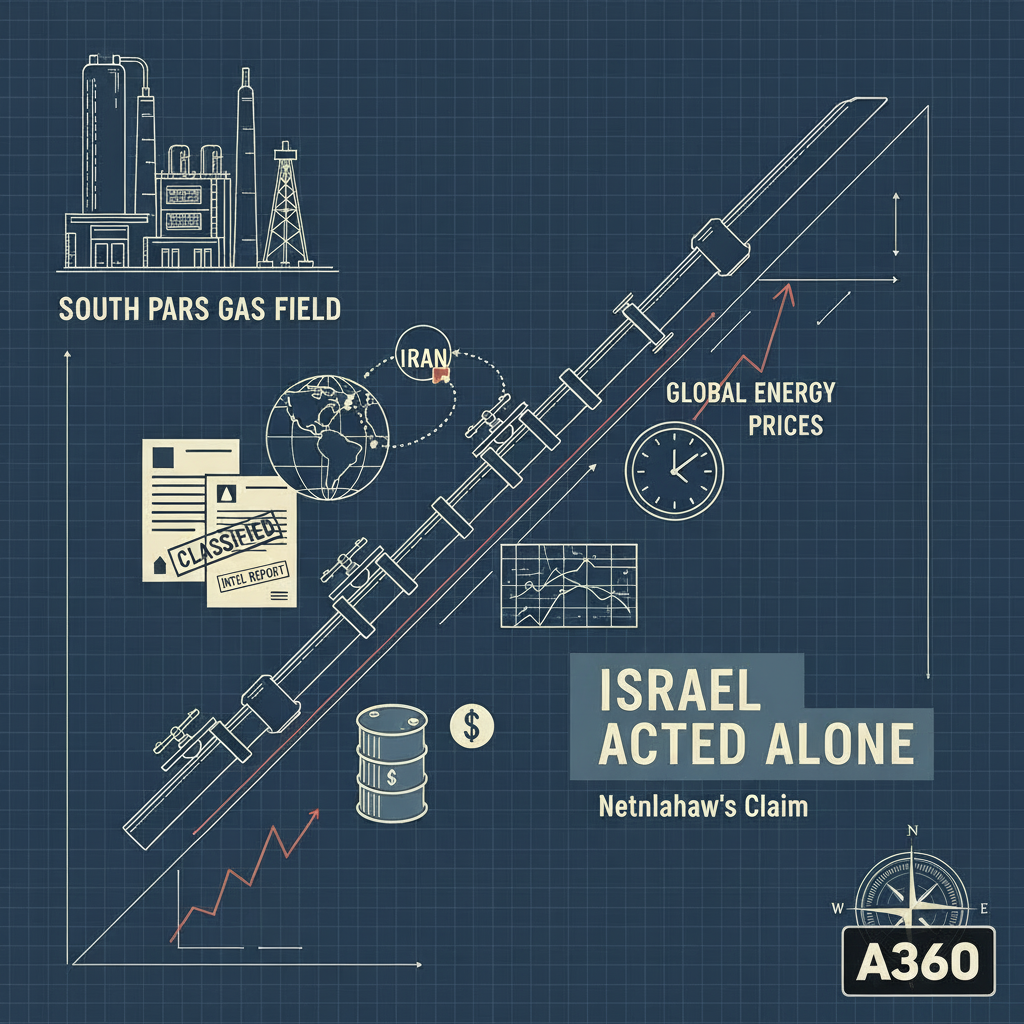
Israeli Prime Minister Benjamin Netanyahu declared on Thursday that Israel conducted an independent military operation against Iran's South Pars natural gas field. This statement contradicts earlier reports from unnamed Israeli sources that suggested coordination with the United States regarding the strike. The attack on the significant Iranian energy asset has triggered a series of retaliatory actions and heightened regional instability.
Following the Israeli strike, Iran launched its own attacks targeting energy infrastructure in Qatar and other Gulf states. These actions have led to a notable increase in global energy prices, reflecting concerns over supply disruptions. Qatar's Ras Laffan industrial area, which hosts the world's largest liquefied natural gas (LNG) processing plant, was among the targets of Iranian retaliation.
Regional Escalation and Energy Market Impact
QatarEnergy reported that approximately 17% of its export capacity would be affected by the Iranian strike on its facilities. This development underscores the potential for significant disruptions to global energy markets. Qatari Prime Minister Mohammed bin Abdurrahman Al-Thani issued a warning about the severe consequences of the escalating conflict.
Energy markets responded with considerable volatility. The UK natural gas benchmark, for instance, saw a brief surge to nearly 183 pence per therm before stabilizing at 154.8 pence, marking an 11.3% increase from the prior day's close. European gas prices also experienced a rise exceeding 10% in response to the events.
Strategic Objectives and International Response
Prime Minister Netanyahu asserted that Israel's actions are inflicting substantial damage on Iran's military capabilities. He further indicated that these operations are part of a broader effort to weaken the Iranian regime. The Israeli government views its actions as critical to its national security interests in the region.
In a related development, the United States is reportedly evaluating the possibility of easing sanctions on certain Iranian oil exports. This consideration is aimed at mitigating the impact of the current regional tensions on global energy markets and preventing further price increases. The situation remains fluid, with international actors closely monitoring developments and their potential broader implications for global stability and energy security.
Implications
Country Impact: The escalating conflict directly impacts Israel and Iran, with both nations engaging in military actions and rhetoric. Qatar faces immediate economic consequences due to disruptions in its energy export capacity, potentially affecting its national revenue and global standing as a major LNG supplier.
Industry Impact: The global energy sector, particularly natural gas and oil markets, is experiencing heightened volatility and price increases. Companies involved in energy production, shipping, and trading face increased operational risks and supply chain uncertainties. The potential lifting of U.S. sanctions on Iranian oil could introduce new dynamics into the global oil supply.
Market Impact: Global energy markets have reacted with significant price surges for natural gas in both the UK and Europe, indicating investor concern over supply stability. This volatility could lead to broader inflationary pressures and impact economic growth forecasts worldwide. Geopolitical risk premiums are likely to remain elevated in commodity markets.