North Korea Replaces Defense Minister Amid Military Reorganization
North Korea has replaced its defense minister, No Kwang-chol, as part of a military restructuring under Kim Jong Un, signaling potential shifts in strategy.
Lauren Collins ·
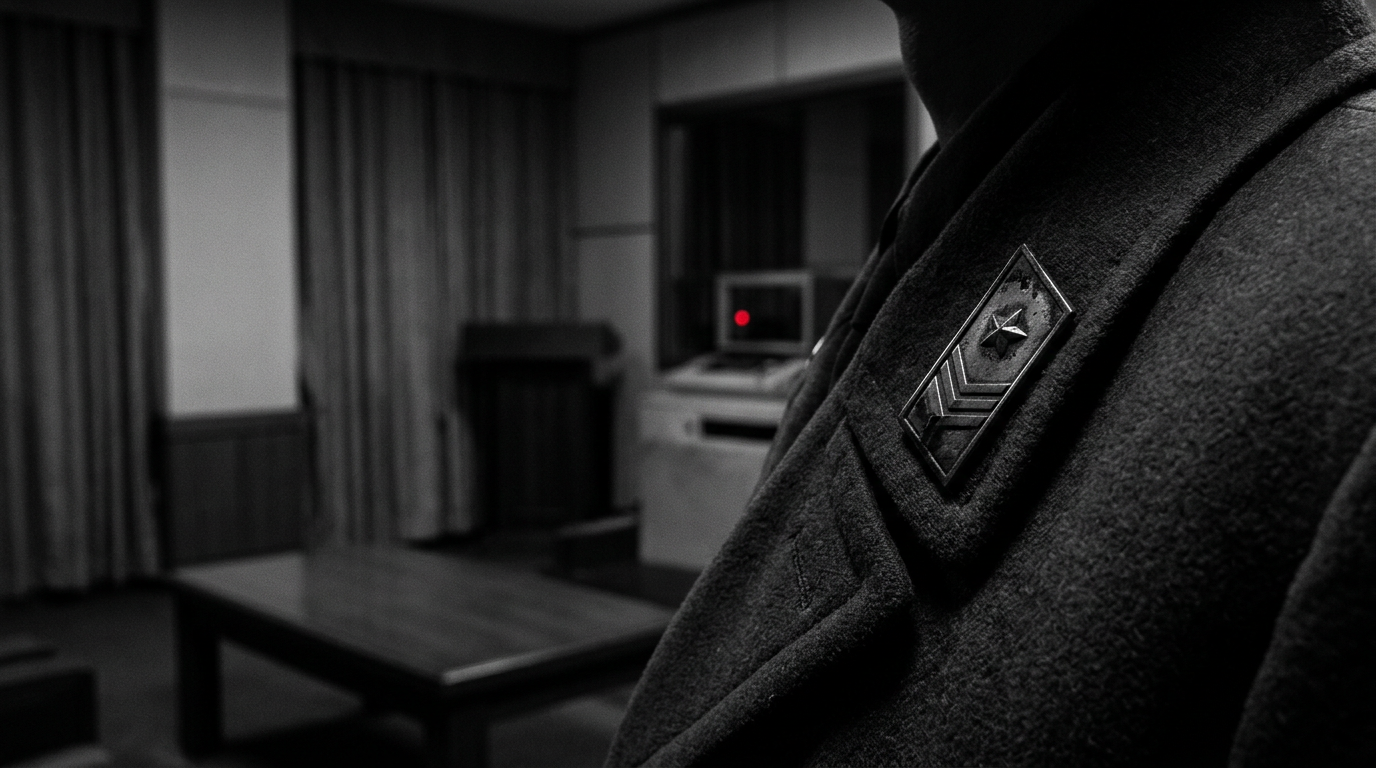
North Korea has announced the removal of Defense Minister No Kwang-chol, a move confirmed by state media on Sunday. The Korean Central News Agency (KCNA) reported this change as part of broader "structural reorganization plans" decided during a high-level meeting chaired by President Kim Jong Un. This development suggests a new phase for the country's military command structure.
These leadership adjustments align with a consistent pattern of high-level personnel changes observed since President Kim Jong Un assumed power in 2011. Such reshuffles are often interpreted by analysts as efforts to consolidate loyalty, preempt potential challenges to authority, or recalibrate policy directions within the regime. Throughout his tenure, President Kim has frequently demoted or, in some cases, executed senior officials to maintain firm control over both the military apparatus and the ruling Workers' Party of Korea.
Economic Headwinds and Internal Adjustments
The internal military adjustments are unfolding against a backdrop of persistent economic difficulties within North Korea. The nation continues to grapple with severe pressure from international sanctions and the prolonged impact of the global pandemic, both of which have intensified resource scarcity. North Korea's economy, largely dependent on state-controlled industries and various illicit activities, struggles to meet basic societal needs, often prioritizing its nuclear and missile development programs over civilian welfare.
This internal economic strain frequently correlates with leadership shifts and an amplified focus in state propaganda on concepts such as self-reliance or perceived external threats. Analysts suggest that such reshuffles could be a direct response to the need for fresh approaches to address the nation's economic woes and resource management challenges.
Regional Security Dynamics and Global Implications
Changes within Pyongyang's military leadership could significantly influence the delicate balance of power on the Korean Peninsula and broader regional stability. North Korea’s foreign policy is intrinsically linked to its domestic situation, implying that these leadership changes might signal either an intensified focus on military readiness or a re-evaluation of inter-Korean relations. Historically, periods of internal consolidation in North Korea have at times preceded heightened military provocations.
Geopolitical tensions in the region remain elevated. The United States, South Korea, and Japan have deepened their trilateral security cooperation, specifically aimed at countering North Korea's ballistic missile and nuclear development programs. China, North Korea's principal ally, continues to navigate a complex role, balancing its own strategic interests with international calls for denuclearization.
Any significant alteration in North Korea's military command structure could modify its interactions with these key global powers, potentially impacting regional stability and critical trade routes. A more consolidated military leadership might either escalate costly weapons development to project strength or, alternatively, pivot towards internal economic reforms, depending on President Kim Jong Un's immediate priorities. The global macroeconomic environment remains sensitive to any instability on the Korean Peninsula, particularly regarding potential supply chain disruptions and investor confidence across Northeast Asia.
Observing Future Signals
Observers will closely watch for any subsequent public appearances of the new defense minister or other newly appointed officials, especially concerning statements or actions related to military exercises or inter-Korean relations. A rapid increase in military drills, harsher rhetoric directed at South Korea or the United States, or new weapons tests would suggest a more emboldened and hardline leadership. Conversely, a period of relative calm on the military front, or internal messaging centered on economic development and 'self-reliance' without immediate provocations, could indicate a primary focus on internal affairs rather than external aggression.