

India Ends State Monopoly on Missile Production, Invites Private Firms
India has authorized the transfer of state-developed missile technology to private companies to accelerate domestic production and enhance military stockpile…
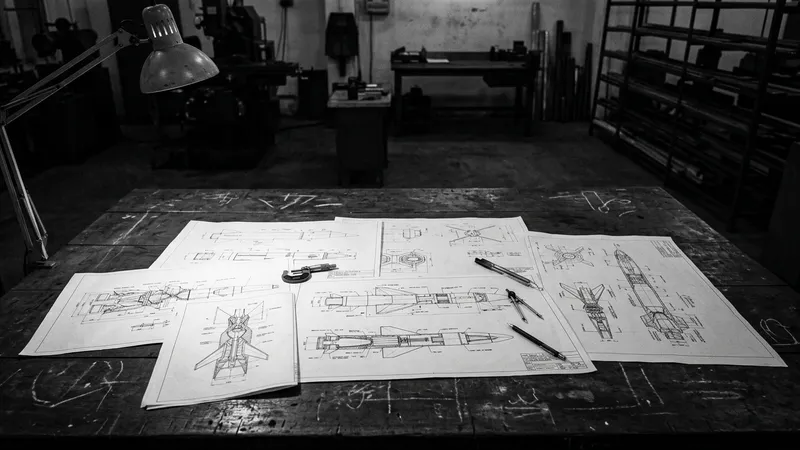
India's Ministry of Defence announced on Tuesday that it will transfer state-developed missile technology to private domestic companies, ending a long-standing production monopoly held by government-run firms. Defence Minister Rajnath Singh approved the initiative, allowing private entities to compete for production rights of conventional missile systems previously developed by the Defence Research and Development Organisation (DRDO).
The policy shift aims to accelerate the transition from prototype development to mass production, addressing concerns over inventory depletion and supply chain reliability. By integrating private manufacturers, the government seeks to bolster domestic manufacturing capabilities and reduce reliance on foreign imports. This transition intends to support a tri-services conventional missile force capable of sustaining high-intensity operations.
Boosting Domestic Defence Manufacturing
This decision follows a significant increase in India's defence budget, which rose to $86 billion for the current financial year, a 16 percent increase from the previous period. Analysts suggest the move is driven by the need to deter regional adversaries and ensure sufficient magazine depth for prolonged conflicts, drawing lessons from recent global military engagements.
Private firms will be required to meet strict technical qualifications and regulatory certifications to participate in the production of systems ranging from anti-tank missiles to heavy-duty land-attack cruise missiles. This initiative is part of a broader push by the Narendra Modi-led government to encourage self-reliance in defense, a concept it terms Atmanirbhar Bharat, or self-reliant India.
Addressing Geopolitical Realities
India has historically relied heavily on state-owned defense companies for large-scale weapons production, with Bharat Dynamics long holding a monopoly in missile manufacturing. The shift allows private companies, which have previously supplied missile components, to move up the value chain and become prime integrators for these systems.
The country's defense preparedness plans have gained urgency following geopolitical events, including a brief conflict with nuclear-armed Pakistan last year. The government's move to integrate the private sector is seen as a response to evolving global dynamics and a strategy to enhance military readiness against potential threats.
More stories
- Houthis claim Riyadh airport strike as injuries reported
- Germany Reaffirms Russia Sanctions Amid Potential US Policy Shift
- China beats Thailand 2-0 to reach junior badminton final
- Russia and China Block US Push for Nationwide Sudan Arms Embargo
- Report of US pressure on Israel over Iran strikes tests Washington posture
- Trump administration sanctions International Criminal Court
- China Advises Citizens to Depart Eswatini Amid Security Concerns
- Dycom Raises Fiscal Outlook Following Record Quarterly Results
- London Unsolved Homicides Skew Non-White, Data Shows
- British Firm Continued Slave Trafficking Post