South African Rural Cohesion Resists Online Anti
Despite rising anti-Muslim online rhetoric, South African rural communities maintain strong religious tolerance and social cohesion, observers noted.
Lauren Collins ·
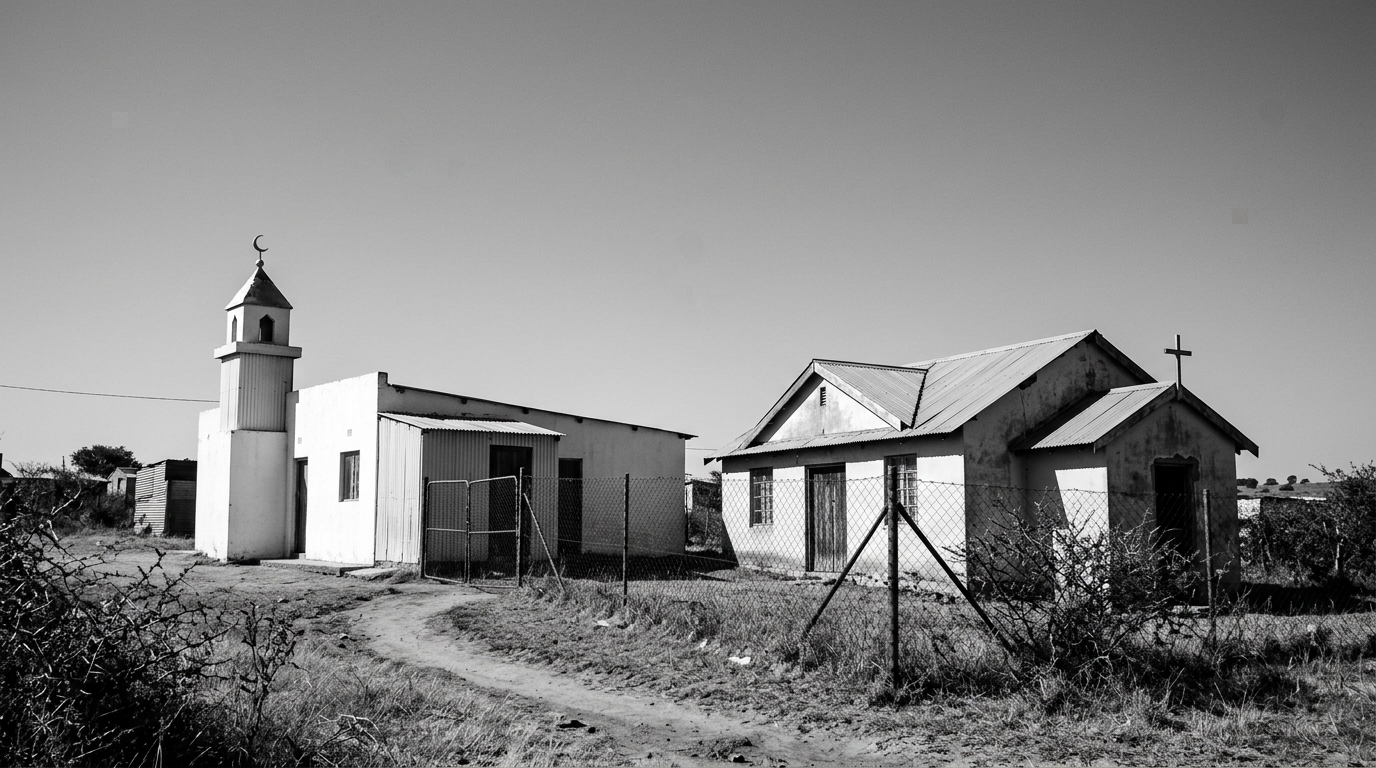
Observations in South Africa indicate that an escalation in anti-Muslim sentiment on various digital platforms has not led to increased animosity within the nation's rural communities. Despite online narratives frequently linking Muslim identity with immigration concerns and alleged proselytization efforts, daily interactions in regions such as Nquthu, located in KwaZulu-Natal, continue to demonstrate robust religious tolerance and social integration.
The 2022 national census data reported that Muslims constitute approximately 1.6 percent of the total South African population. However, community leaders offer significantly higher estimates, suggesting the actual number could reach as many as five million individuals. Islam has a deeply established presence in the country, tracing its origins back to the 17th century. Its adherents include descendants of enslaved people, families of Indian origin, and more recent converts.
Online Rhetoric vs. Local Realities
Political analysts propose that the notable disparity between growing online hostility and on-the-ground reality stems from the inherently localized nature of social cohesion across South Africa. While digital platforms sometimes feature xenophobic rhetoric directed at migrant populations, there is no evidence to suggest widespread, orchestrated Islamophobia is significantly impacting the broader South African public.
Observers frequently highlight how digital platforms can amplify marginal extremist viewpoints, which might create a skewed perception of societal division. This perception often fails to reflect the lived experiences of rural residents or the historical integration of Muslim communities throughout the nation. The sustained harmony evident in areas like KwaZulu-Natal suggests a resilience that digital discourse alone cannot easily dismantle.
Historical Integration and Contemporary Dynamics
The historical foundations of Islam in South Africa predate European colonial rule, with communities having been established through various migration waves, including those from Asia and the Indian Ocean world. This extensive historical presence has fostered a nuanced understanding of Muslim identity within the country, allowing it to transcend contemporary political narratives that frequently attempt to frame it within an immigration context.
Despite the online amplification of anti-Muslim perspectives, particularly those endeavoring to connect the community with immigration issues, local reports consistently underscore a continuing commitment to religious tolerance and inter-community respect. This enduring social fabric highlights the profound integration that has characterized South African society for centuries, proving resistant to divisive online trends.