Nepal Deploys 15,000 as Flood Fatality Count Rises
Nepalese authorities have deployed 15,000 personnel for flood recovery after a glacial collapse, with 669 confirmed deaths and nearly 3,000 missing.
Lauren Collins ·
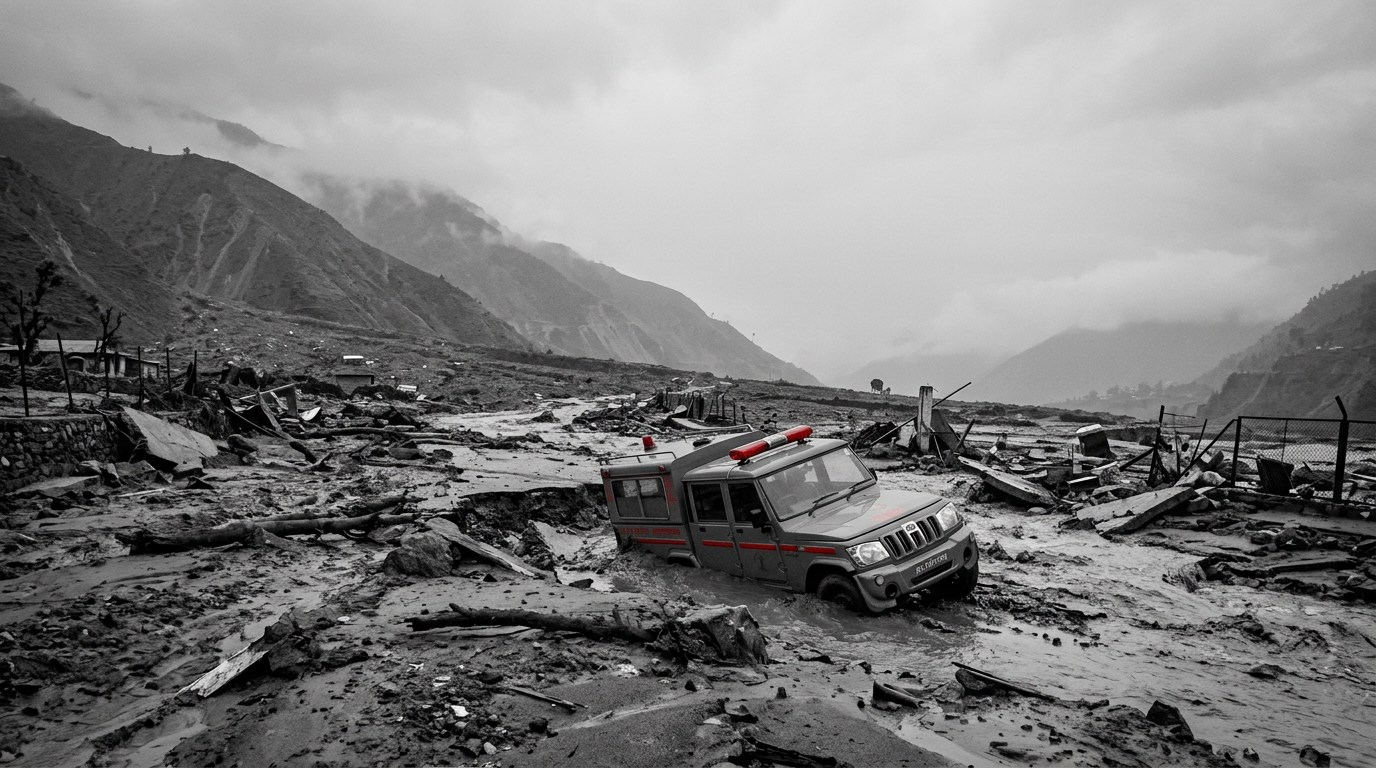
Nepalese authorities have mobilized approximately 15,000 personnel for extensive search and rescue operations following devastating flash floods. The disaster, triggered by a glacial collapse in the Himalayas, occurred four days prior to the current reports and has led to a significant loss of life and widespread destruction across the region. Officials confirm 669 fatalities, while close to 3,000 individuals remain unaccounted for.
Among those still missing are 41 Australian citizens, highlighting the international scope of the catastrophe. Emergency teams face substantial logistical hurdles, as critical infrastructure, including roads and bridges, has been destroyed. This widespread damage has isolated many affected communities, making access extremely difficult for responders.
Challenges in Rescue and Recovery
Current rescue efforts are primarily focused on extracting survivors from remote areas. Specific attention is being given to workers who may be trapped within 14 hydropower plants situated along the river path, which bore the brunt of the floodwaters. The challenging mountainous terrain of Nepal, inherently susceptible to such natural disasters, combined with the extensive scale of infrastructure damage, complicates these protracted recovery efforts.
The humanitarian situation is rapidly deteriorating, particularly in Kathmandu's medical facilities. Morgues have reached maximum capacity, forcing difficult decisions regarding the deceased. In the Chitwan district, authorities have arranged for the burial of 229 unidentified bodies to mitigate public health risks associated with decomposition. To assist with victim identification, DNA samples are being actively collected from remains that are no longer visually recognizable, a critical process for providing closure to grieving families.
Rising Fatality Projections and International Involvement
The death toll is widely expected to climb as recovery teams gradually gain access to previously unreachable zones. Sagar Shrestha, director of the Disaster and Crisis Management Department at the Nepal Red Cross Society, indicated that the total number of fatalities could potentially rise into the thousands, underscoring the severe impact of the event. A primary uncertainty persists regarding the exact number of survivors yet to be located in cut-off areas, particularly around the affected hydropower plant sites.
International families, including those with missing Australian citizens, have begun arriving in Kathmandu. These families are coordinating with local disaster management agencies and participating in the identification process, emphasizing the global nature of the crisis. International aid and specialized expertise are anticipated to play a crucial role in overcoming the current obstacles and addressing the long-term consequences of these catastrophic floods.
Historical Context of Glacial Lake Outburst Floods
Nepal, situated in the Himalayas, is particularly vulnerable to Glacial Lake Outburst Floods (GLOFs), which are sudden releases of large volumes of water from glacial lakes. These events are often triggered by glacial collapses, avalanches, or seismic activity. Over the past few decades, the region has seen an increase in the frequency and intensity of such events, partly attributed to climate change accelerating glacial melt and the formation of unstable glacial lakes. The current disaster adds to a history of similar, albeit often smaller, events that have ravaged the country's infrastructure and rural communities. The devastating Kosi River floods in 2008, for instance, displaced millions, highlighting the recurrent challenges Nepal faces in disaster preparedness and response.