Gaza reconstruction funds stall as Board of Peace misses goal
Gaza reconstruction funds remain far below pledges, with less than $1B secured of $17B, stalling governance and rebuilding plans.
Lauren Collins ·
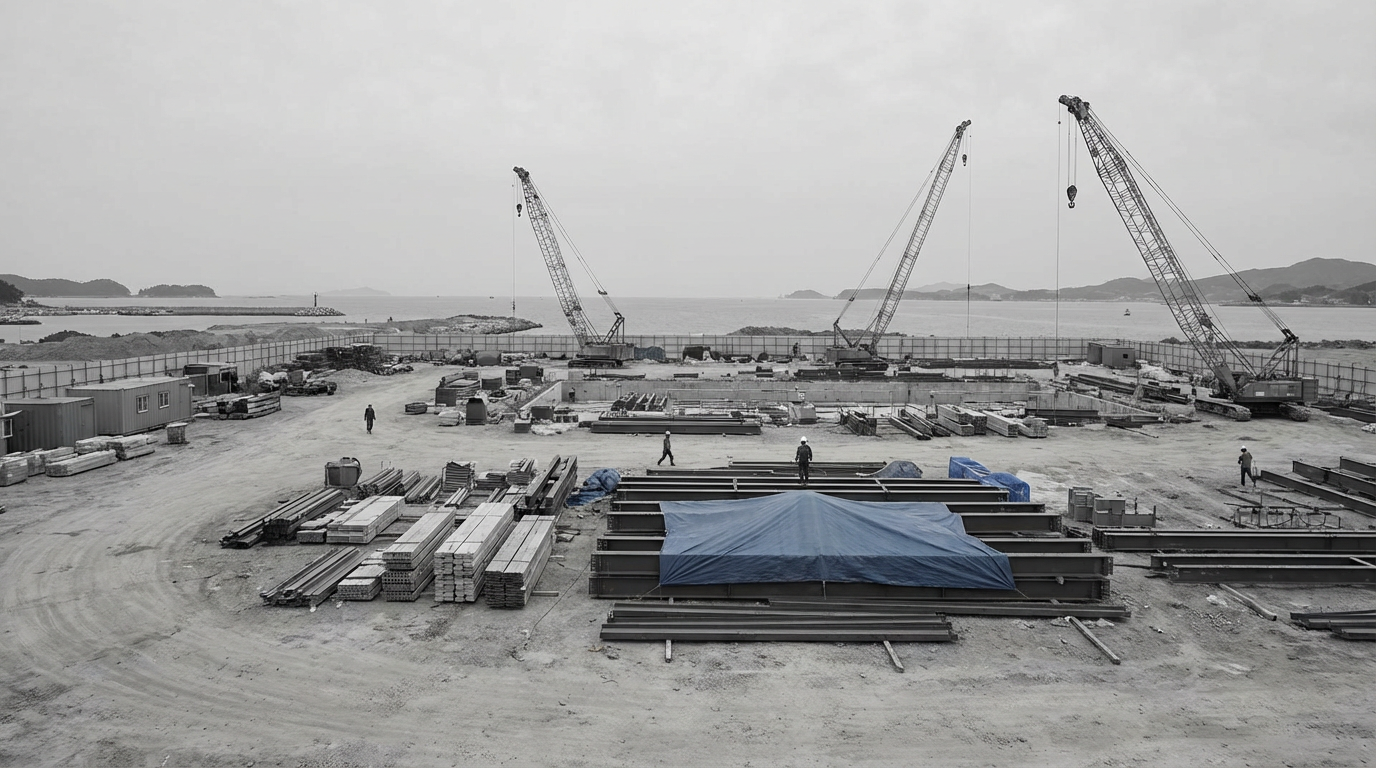
Gaza’s reconstruction and governance plans are facing a major funding gap , with less than $1 billion secured out of $17 billion pledged, according to the status of commitments tied to a U.S.-hosted donor push. The shortfall is slowing efforts to rebuild and to set up governance arrangements in a territory described as heavily damaged after two years of conflict.
The pledges were made by Gulf Arab nations at a conference in Washington hosted by U.S. President Donald Trump. Officials involved in the process have linked the financing to the work of President Trump’s Board of Peace, which was tasked with supporting Gaza’s future through reconstruction and governance initiatives. With most of the promised money not yet available, the Board of Peace has been unable to advance key parts of its mandate at the pace envisioned.
Only three of the ten countries that committed funds have delivered so far: the United Arab Emirates, Morocco, and the United States. The remaining commitments have not been fulfilled, leaving planners without the resources needed to move from proposals to implementation. As a result, projects aimed at restoring infrastructure and building stable governance structures have stalled, according to the account of the funding situation.
What happened is a mismatch between headline pledges and cash actually received, which has created immediate operational constraints for reconstruction planning. What it means is that timelines and sequencing for rebuilding and governance efforts are being shaped by liquidity rather than by technical readiness, limiting the ability to execute “crucial development plans” referenced in the funding discussions.
The funding challenge is unfolding amid wider regional instability. The situation is further complicated by escalating conflict linked to U.S.-Israeli strikes on Iran, which the account describes as adding volatility to an already difficult environment for mobilizing resources and sustaining long-term planning. This backdrop can make it harder for stakeholders to coordinate, maintain donor focus, and execute multi-stage programs that depend on predictable financing.
Key uncertainties remain around when and whether the outstanding pledges will be converted into accessible funds, and how the Board of Peace will prioritize initiatives while financing remains constrained. Until the gap between commitments and disbursements narrows, the reconstruction and governance agenda for Gaza is likely to remain limited by available cash rather than by stated objectives.