Shipping Group Warns Iran Over Strait of Hormuz Levies
Tanker group Intertanko urged members on Saturday not to pay Iran tolls in Hormuz as traffic slumped and ceasefire talks continued.
Lauren Collins ·
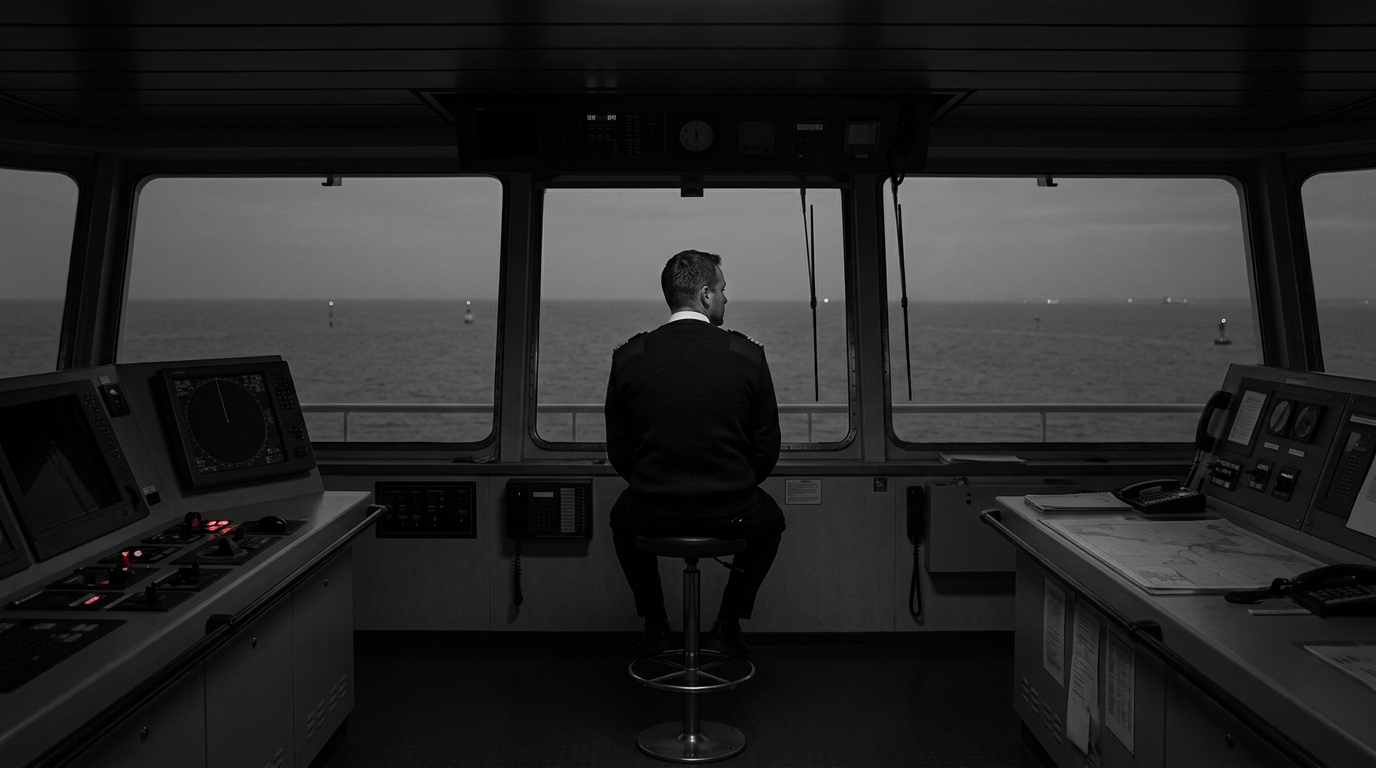
A major international tanker association has told its members not to pay any Iran-linked tolls for transiting the Strait of Hormuz , after a ceasefire effort intended to restore normal passage failed to reopen the waterway. Intertanko said it issued the guidance on Saturday, pointing to safety risks and arguing that such charges would be unlawful under international law.
Intertanko represents 190 independent tanker operators and more than half of the global oil tanker fleet. The group said the advisory was prompted by Iran’s suggestion that vessels should seek its permission and could be required to pay a fee in exchange for safe passage, even though the ceasefire arrangement was meant to enable unrestricted transit.
The guidance comes as U.S. Vice President JD Vance is in Islamabad, Pakistan, holding talks with Iranian representatives aimed at finalizing ceasefire details. The association’s position is that operators should not make payments tied to passage through the strait, and it specifically raised concerns about any tolls directed to the Iranian Revolutionary Guard Corps (IRGC), which is designated a terrorist organization by the U.S. and EU.
The Strait of Hormuz is described as a critical chokepoint for about one-fifth of global oil and gas supplies. Shipping activity has fallen sharply: only 15 vessels have transited since Tuesday, compared with a daily average of 140 before the conflict. Nearly 800 ships are reported to be stranded in the Gulf, highlighting the scale of the disruption for energy logistics and broader maritime trade.
Officials at the International Maritime Organization (IMO) reiterated that international straits are intended for universal use and that tolls should not be imposed. The episode has also drawn attention to the wider issue of freedom of navigation and how international maritime law is applied during periods of heightened security risk.
Operators are signaling caution before returning to normal routing. Tanker companies including Stena Bulk said they are waiting for clear safety assurances before resuming voyages through the Strait of Hormuz, and emphasized they will not pay unauthorized fees.
The disruption has raised concerns about knock-on effects for global supply chains, with potential impacts on prices for fuel, electricity, food, and medicines. Key uncertainties remain around when traffic levels will normalize and what specific safety guarantees, if any, will be put in place to support a broader resumption of transits.