Israel Hits Hezbollah Amid Ceasefire Doubts
Israel strikes Hezbollah in Lebanon on April 10, 2026, as U.S.-Iran peace talks near and cease-fire terms face new uncertainty.
Lauren Collins ·
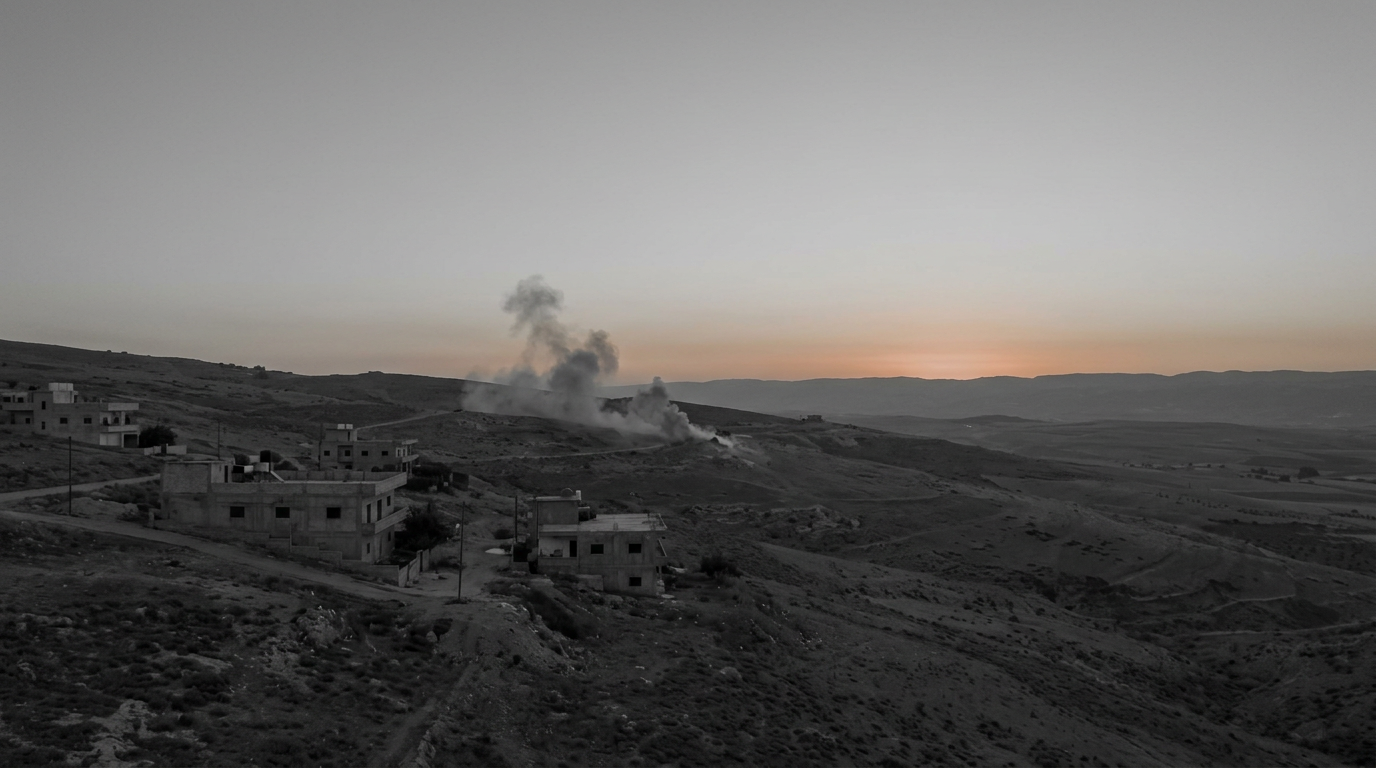
Israel carried out strikes against Hezbollah in Lebanon on April 10, 2026 , adding fresh uncertainty over whether a wider cease-fire framework can hold. The strikes came as concerns rose about the durability of a broader cease-fire arrangement involving the United States and Iran , according to the account provided.
Officials described the timing as particularly sensitive because the U.S. was preparing for peace talks with Iran in Pakistan . The stated aim of those talks was to pursue a long-term resolution to the conflict. Against that backdrop, the continuation of Israeli military activity in Lebanon was presented as a complicating factor for diplomacy tied to the wider cease-fire effort.
Lebanese authorities have reported that the ongoing Israeli operations in Lebanon have killed hundreds of people . The same account said these operations run counter to President Trump ’s requests to Prime Minister Benjamin Netanyahu to reduce the scale of military action. The divergence was described as underscoring a rift between U.S. and Israeli leadership over the conflict’s scope and how it should be resolved.
Netanyahu has said there is no cease-fire in Lebanon and has pledged to continue strikes until Hezbollah is disarmed. This position was reported alongside earlier indications of possible talks with the Lebanese government, though the account did not detail any agreed framework or timeline. The contrast between continued strikes and tentative diplomatic signals has contributed to doubts about whether a broader cease-fire can be sustained.
Separately, the Strait of Hormuz remained a focal point, with oil prices staying elevated amid fears of shipping disruptions. The account linked these concerns to the wider conflict environment and the risk that instability could affect maritime transit. No specific price levels were provided.
Iran’s foreign ministry indicated that its delegates would not attend the peace talks if the cease-fire was not extended to Lebanon. That condition added another layer of uncertainty to the planned discussions in Pakistan. It also tied the prospects for U.S.-Iran diplomacy to developments on the Israel-Lebanon front.
The International Monetary Fund said it anticipates a downgrade to its global growth outlook because of the war’s economic effects, including infrastructure damage and supply chain disruptions. The account did not specify the size of any potential revision or the timing of an updated forecast. For markets and policymakers, the combination of elevated energy concerns and the IMF’s warning highlighted the risk that the conflict’s economic fallout could extend beyond the immediate region.