

Kazakhstan Elections Set for August After Reform Vote
Kazakhstan elections in August will implement March-backed constitutional reforms, shifting to a unicameral parliament and adding a Vice President.
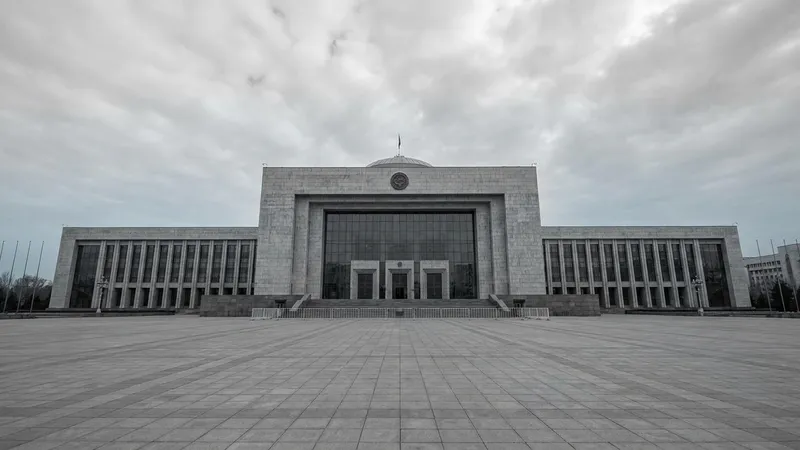
Kazakhstan will hold elections in August as the next step in implementing constitutional amendments that won strong public backing in a March referendum. Officials have presented the vote as the first major operational test of the country’s revised political framework, with the outcome set to determine the makeup of a newly designed legislature.
What happened: The constitutional amendments approved in March are described as one of the most significant changes to Kazakhstan’s governance in years. A central element is a shift away from a bicameral parliament, previously made up of two separate houses, to a unicameral structure with a single legislative chamber. The changes also create the post of Vice President, adding a new role to the executive hierarchy under the new constitution.
President Kassym-Jomart Tokayev , in a statement released by his press service, framed the August ballot as the trigger for a broader redesign of the political system. He described the elections as the start of a “large-scale restructuring” aimed at modernising governance.
The administration has positioned the timing as a way to move quickly into the new constitutional order rather than leaving an extended period in which the outgoing legislature would operate under rules that are about to change.
How the process reached this point: The March referendum delivered an overwhelming majority in favour of the proposed reforms, which officials said provided a clear mandate to proceed. That result formally authorised the dissolution of the existing parliamentary structure and opened the way for electing a new legislative body under different rules.
With the new constitution set to take effect, the August elections are intended to translate the referendum outcome into a functioning institutional setup.
What it means: The vote will shape the composition of the new single-chamber parliament and, by extension, the near-term political landscape as Kazakhstan enters what officials have described as a new chapter of statehood. For international stakeholders, the key relevance is that the election is tied directly to a redesigned distribution of power between institutions, including a reworked legislature and a new executive post.
Risks and unknowns: While the referendum result authorised the reforms, the practical effects of moving to a unicameral legislature and introducing a Vice President will depend on how the new system functions after the election. The August ballot will therefore serve as an early indicator of how the revised constitutional architecture operates in practice.
More stories
- US, China discuss reciprocal nuclear-facility visits
- Burnham says Brexit vote faced Russian meddling in 2016
- Russian strikes hit Ukraine plants after Trump ceasefire statement
- Saudi flights divert after Dammam airport targeted
- US said to threaten Ukraine weapons, intelligence aid
- Riyadh airport hit again as Trump weighs US role
- Insider Trading Fears Prompt White House Staff Warning
- Australia, Singapore pact to safeguard fuel and LNG flows
- Pakistan Summit Aims to Ease Tensions Amid Iran Delay
- Houthi missiles expand Israel-Hamas war to a new front