Israel Hits Iran: Escalation Fears Mount
Israel strikes Iran sites on March 28, 2026, as Tehran warns of a “heavy price” and U.S. officials signal talks and a short timeline.
Lauren Collins ·
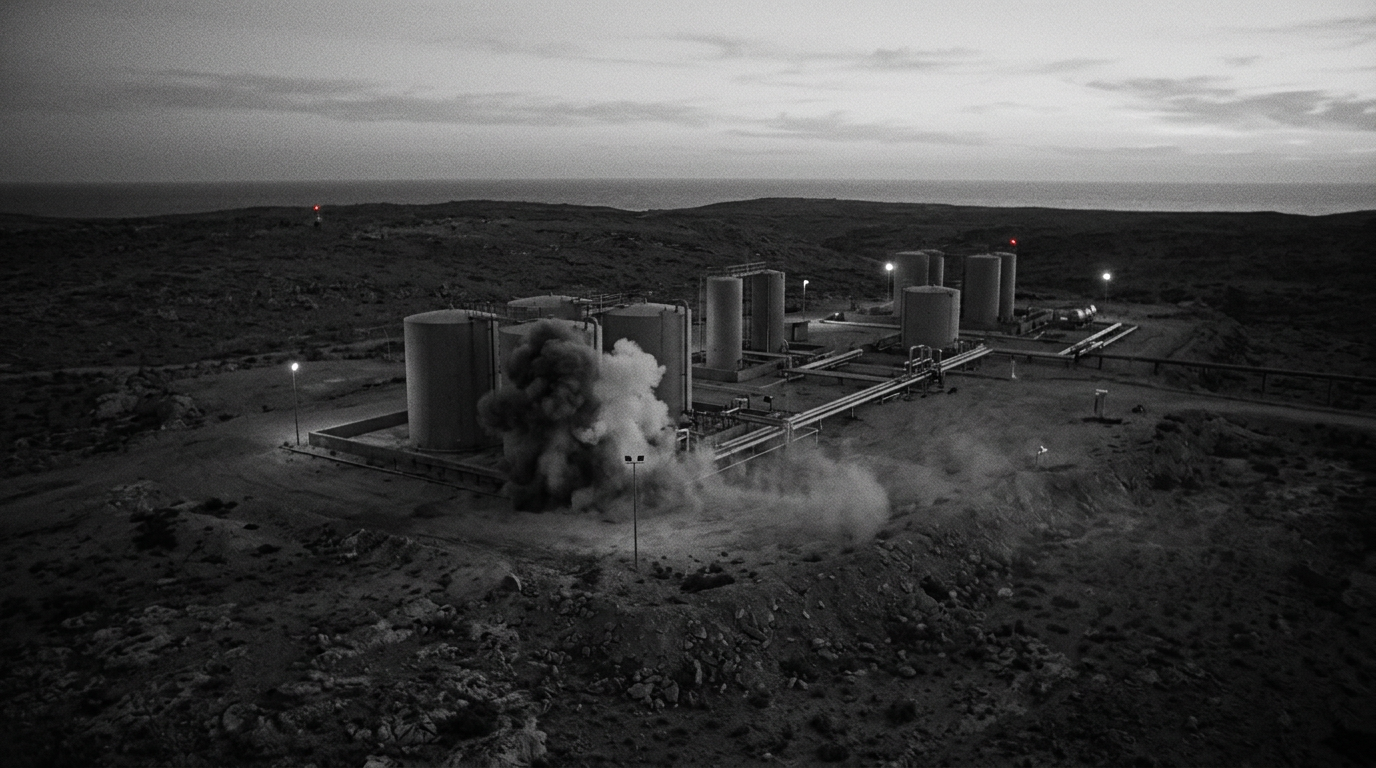
Military and diplomatic pressure intensified across the Middle East on March 28, 2026, after Israel said it carried out attacks on Iranian nuclear-linked and industrial locations. Iran’s leadership warned Israel would pay a “heavy price,” while multiple international actors urged restraint amid concerns the confrontation could widen.
The developments unfolded alongside fresh U.S. messaging on the conflict. U.S. President Donald Trump said he was disappointed with NATO’s response to the U.S.-Israeli war on Iran, arguing allies have not shown sufficient support despite what he described as large U.S. defense spending on partners.
Strikes, damage claims, and nuclear safety
Israel’s military confirmed it struck what it called Iranian “regime targets” in Tehran. Iran said the targeted nuclear facilities did not experience radioactive leakage, a point closely watched by governments and markets given the potential for cross-border environmental and economic disruption.
Iran’s Foreign Minister Abbas Araghchi said Tehran would impose a “heavy price for Israeli crimes,” linking the warning to attacks that Iran said hit nuclear sites and two major steel factories. The source material does not specify the extent of physical damage, casualties, or operational impact at the facilities.
U.S. timeline signals and a proposed plan
U.S. Secretary of State Marco Rubio said Washington aims to complete its Iran war objectives within “the next couple weeks,” and said the U.S. expects a “weaker” Iran. The statement outlines intent and timing but does not detail the specific objectives or the criteria for concluding them.
U.S. envoy Steve Witkoff said he expects meetings with Iran this week tied to a 15-point peace plan. The plan’s contents were not provided in the source material, and it remains unclear whether Tehran has agreed to the framework or the meeting format.
Regional spillovers: Saudi Arabia and Lebanon
Saudi Arabia said it intercepted a missile aimed at Riyadh. Separately, 12 U.S. military personnel were wounded in an Iranian attack on an airbase in the kingdom, underscoring how the confrontation is affecting U.S. forces and Gulf security infrastructure.
In Lebanon, Israel said it expanded ground operations and reported clashes with Hezbollah near Tyre. Hezbollah, for its part, claimed it carried out 82 operations against Israeli forces within 24 hours; the source material does not provide independent verification of that figure.
Diplomacy and international warnings
Diplomatic efforts continued in parallel with the fighting. Turkiye was described as a potential host for talks involving Pakistan, Saudi Arabia, and Egypt, aimed at mediating between Iran and the United States, though no confirmed date or agenda was provided.
The International Atomic Energy Agency reiterated calls for restraint, reflecting heightened sensitivity around strikes involving nuclear-related sites. With military actions occurring across multiple theaters and negotiations still uncertain, the near-term risk remains further escalation that could disrupt regional security and global energy and shipping expectations.