Mideast Tensions Escalate: Oil Surges as US-Israel-Iran Conflict Deepens
U.S.-Israel Iran war hits one-month mark as oil rises above $90 and the Strait of Hormuz is reported blocked, widening regional risks.
Lauren Collins ·
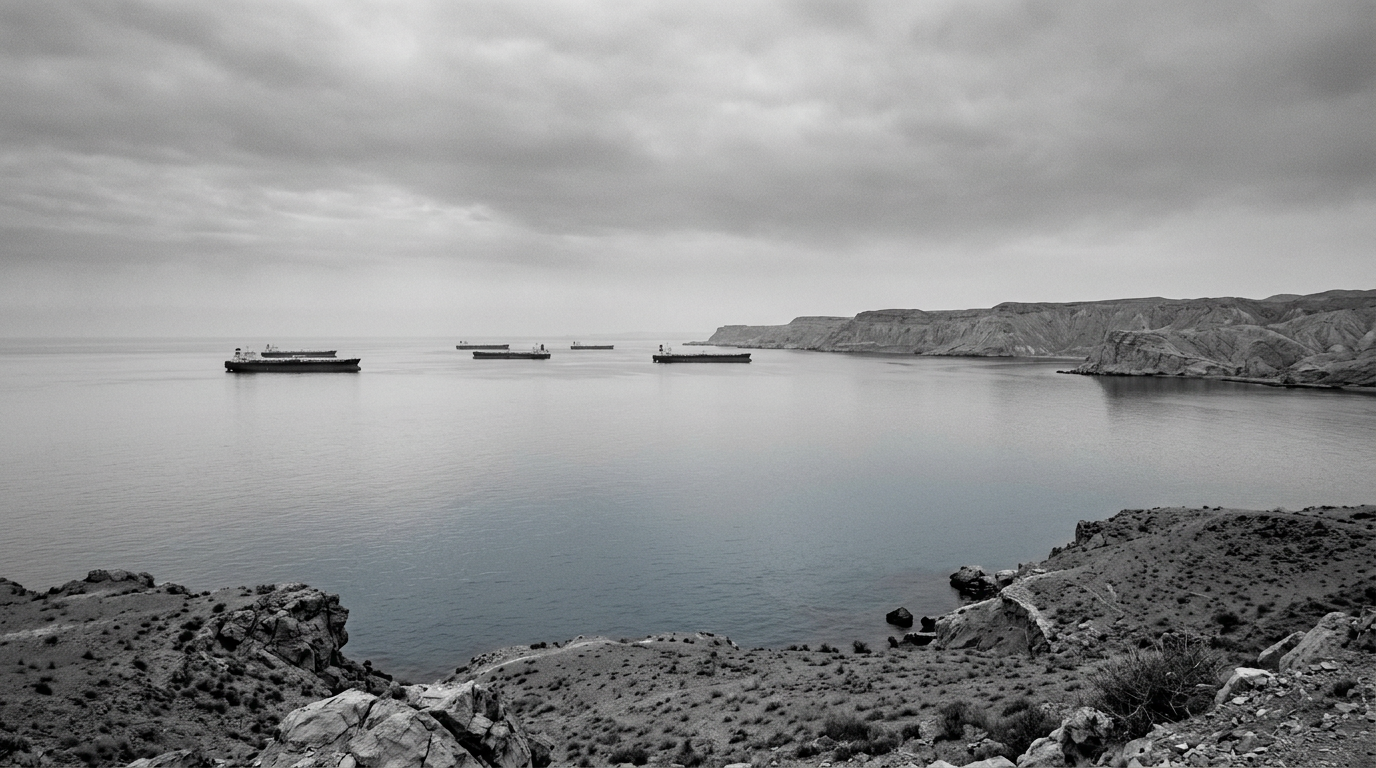
The United States and Israel have been in open conflict with Iran for about a month, a confrontation that has coincided with sharp moves in energy markets and a widening regional battlefield.
The fighting is described as having started on February 28 with large-scale U.S.-Israeli attacks inside Iran. The same account says Iran replied with hundreds of missiles and drones aimed at Israel and U.S. assets, while also shutting the Strait of Hormuz, a key route for global crude shipments.
What changed in the first month
Energy prices rose quickly after the opening phase of the war. Oil was described as moving above $90 a barrel from roughly $70 before the conflict, underscoring how rapidly traders repriced supply risk tied to the Gulf.
The human toll inside Iran was reported as severe. The same single account put deaths in Iran at more than 1,937 over the first month, including 1,332 in the first week.
Military actions and reported casualties
The initial strikes were described as including the killing of Iran’s Supreme Leader Ali Khamenei and other senior military figures. That claim is not corroborated by any additional material in the provided source, and no independent confirmation is included here.
During the first week, the account also cited more than 170 children killed in a school bombing in Iran. Details such as the location, the party responsible, and any investigation findings were not provided.
Regional spillovers: Lebanon and the Gulf
As the conflict moved into a second week, the Iranian state was described as continuing to function despite leadership losses. U.S. and Israeli forces were said to have kept striking, including attacks on oil storage sites in Tehran.
At the same time, Hezbollah and Iran were described as coordinating rocket fire at Israel, followed by an Israeli bombing campaign and a ground incursion into southern Lebanon. The source does not specify dates, the scale of forces involved, or casualty totals in Lebanon or Israel.
U.S. losses and operational risks
The account reported U.S. military casualties and accidents alongside combat operations. It said six U.S. soldiers were killed in Kuwait, three fighter jets were lost to friendly fire, and six additional crew members died when a refueling aircraft crashed in Iraq.
Diplomatic efforts were described as struggling amid escalating rhetoric from both sides. No specific talks, mediators, or proposals were identified, leaving the status of any negotiation channel unclear.