Israel Hits Iran's Yazd Uranium Site; Tehran Vows Retaliation
Israel strikes a Yazd uranium site on March 27, 2026; Iran reports no radiation leak and vows retaliation as mediation efforts continue.
Lauren Collins ·
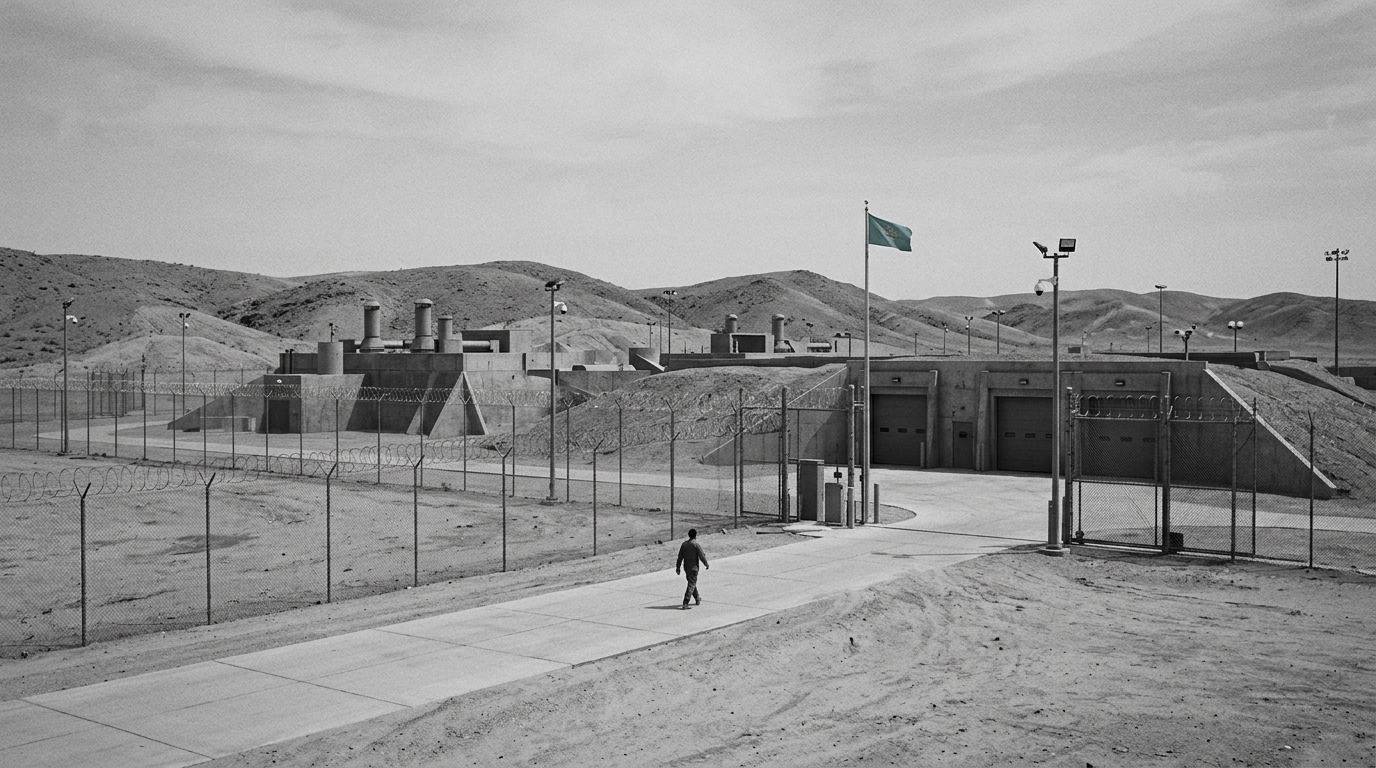
Israel’s military said on March 27, 2026 it carried out an attack on a uranium-processing facility in Yazd, in central Iran, marking a significant escalation in the 28th day of the current conflict.
Iran’s Atomic Energy Organization confirmed the facility was hit and said there were no deaths and no radiation release reported from the incident.
What was hit, and why it matters
The Israeli Air Force described the Yazd site as a key link in obtaining feedstock used for uranium enrichment, framing the strike as aimed at a critical upstream stage of Iran’s nuclear fuel cycle.
Because uranium-processing and related industrial nodes sit at the intersection of security policy and energy-sensitive markets, the strike is likely to be watched closely by governments and investors for signs of further widening in targets and geography.
Broader strike pattern across Iran
Israel said the Yazd operation was part of a wider set of attacks across Iran. The list cited included the Khondab Heavy Water Complex, two large steel producers—Khuzestan Steel and Mobarakeh Steel—and multiple locations in and around Tehran, Kashan, and Ahwaz.
Targeting heavy-water and steel-related infrastructure can carry dual implications: it affects industrial output while also intersecting with sensitive technologies and supply chains, though the source material does not provide independent damage assessments for each site.
Official statements signal tougher posture
Iran’s Foreign Minister Abbas Araghchi said Iran would exact an “heavy price” in response to the attacks. Separately, Iranian officials including IRGC Aerospace Commander Seyed Majid Moosavi warned that the conflict’s dynamics could intensify.
On the Israeli side, Defence Minister Israel Katz indicated Israel intends to step up its campaign. The statements outline declared intent, but they do not specify timing, scope, or the precise form any next actions might take.
Human toll, cultural damage, and diplomacy
Since the conflict began on February 28, the source material says more than 1,900 people have been killed and at least 120 museums and historical sites have been damaged. Those figures are presented as reported totals, and the text does not detail methodology or attribution beyond the report itself.
Diplomatic efforts are described as ongoing, with Pakistan, Turkey, and Egypt involved in attempts to mediate. No ceasefire terms, timelines, or confirmed negotiating framework are provided.
Market and supply-chain pressure points
The conflict is also feeding into global food-security concerns. The World Food Programme projection cited in the source material points to food insecurity rising to 363 million people, linked to higher energy costs and disrupted trade routes.
A central risk channel highlighted is shipping through the Strait of Hormuz, where Iran has threatened to impose tolls. Any sustained disruption or added costs in this corridor can transmit quickly into energy pricing, freight rates, and import bills, particularly for fuel- and food-importing economies.