US Deploys Troops as Iran Spurns Negotiations
U.S. mobilizes ground troops and outlines a 15-point plan as Iran denies negotiations and retains control of the Strait of Hormuz.
Lauren Collins ·
Latest development
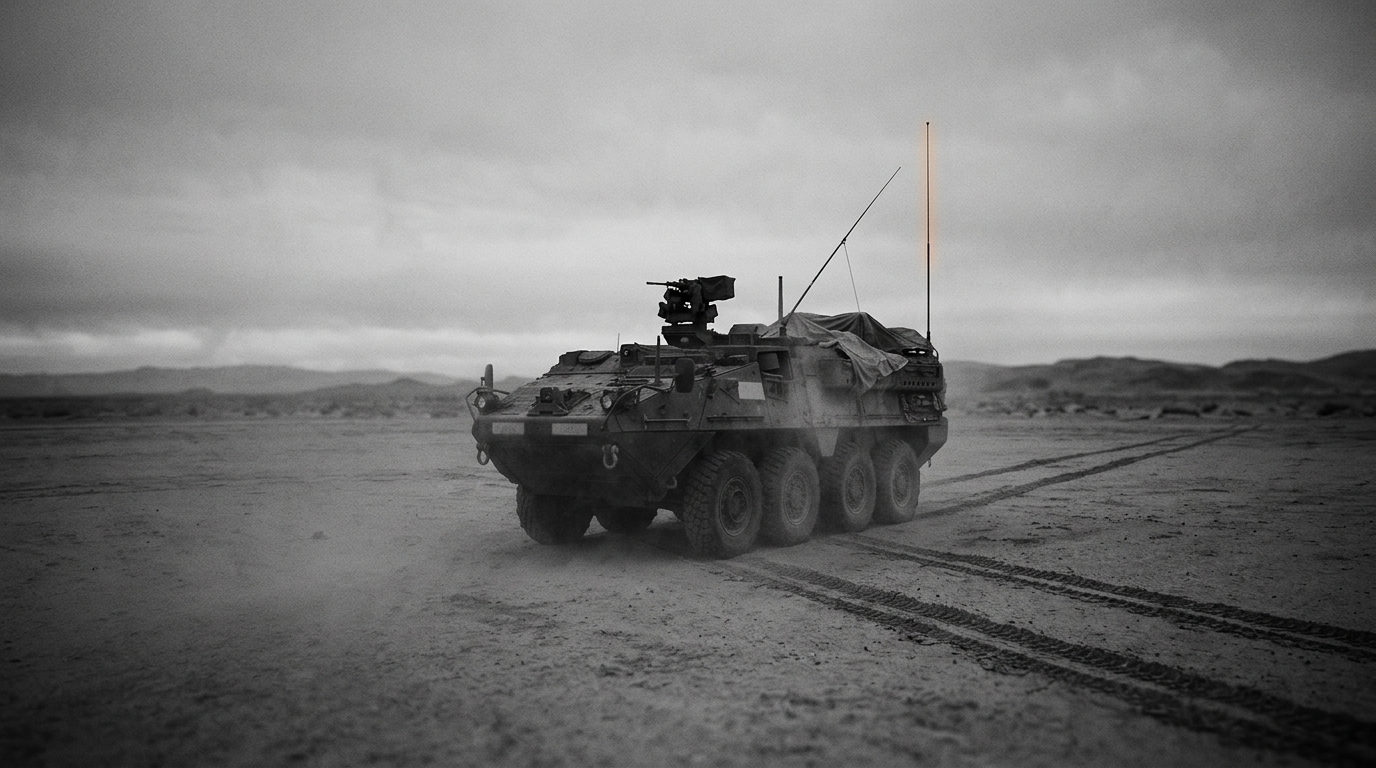
The United States is mobilizing ground forces as it advances a 15-point framework it says is designed to end the conflict with Iran. The move adds visible military capacity in the region at a moment when diplomatic messaging and battlefield posture are moving in parallel.
Iran, for its part, has publicly rejected the idea that negotiations are underway. Tehran is also described as maintaining control over the Strait of Hormuz, a narrow maritime corridor that is widely viewed as a strategic chokepoint for global oil shipments.
Diplomacy versus deployment
Washington’s plan is being presented as a structured route toward de-escalation, but its practical impact is uncertain given Iran’s denial of any talks. That mismatch between a declared diplomatic track and a disputed negotiating reality is now central to how markets and governments interpret the next steps.
At the same time, the troop mobilization represents a concrete increase in U.S. resources committed to the theater. The combination of additional forces and a political roadmap is drawing scrutiny over whether it reduces the risk of escalation or raises it by increasing the scale of military readiness.
Why the Strait of Hormuz matters
Iran’s stated control of the Strait of Hormuz matters far beyond the immediate conflict because the passage is a key route for energy flows. Any perceived threat to transit through the strait can quickly translate into higher risk pricing across oil markets and related sectors, even without a confirmed disruption.
This strategic leverage also complicates diplomatic efforts, because the strait’s importance gives Tehran a tool that can influence international calculations. For countries dependent on imported energy, the situation can affect planning for supply security, shipping insurance, and contingency logistics.
What changed, and who is affected
The immediate change is the U.S. decision to mobilize ground troops while simultaneously promoting a multi-point endgame proposal. That dual-track approach signals both preparedness and an attempt to shape a political off-ramp, though the two tracks may be interpreted differently by allies, rivals, and investors.
Stakeholders include regional governments, global energy consumers, shipping and logistics firms, and financial markets sensitive to geopolitical risk. The near-term trajectory will depend on how U.S. military actions interact with the proposed framework, and whether Iran’s public stance shifts from denying talks to engaging with any process.
Risks, unknowns, and near-term outlook
Key uncertainties remain unresolved in the available information, including the timing and scope of the troop mobilization and the specific contents of the 15-point plan. It is also unclear whether any back-channel contacts exist, since Iran’s public position is that negotiations are not happening.
For now, the conflict sits at a hinge point: the next phase could move toward a diplomatic opening or toward deeper military engagement. With the Strait of Hormuz in focus, the global impact will be measured not only in security terms but also in how quickly energy and shipping markets reprice risk.