NYC Eyes Luxury Tax on Multi-Million Dollar Second Homes
NYC officials proposed a new tax this week on second homes assessed at $5M+ as supporters cite inequality and housing imbalance concerns.
Cuneyd Erdogan ·
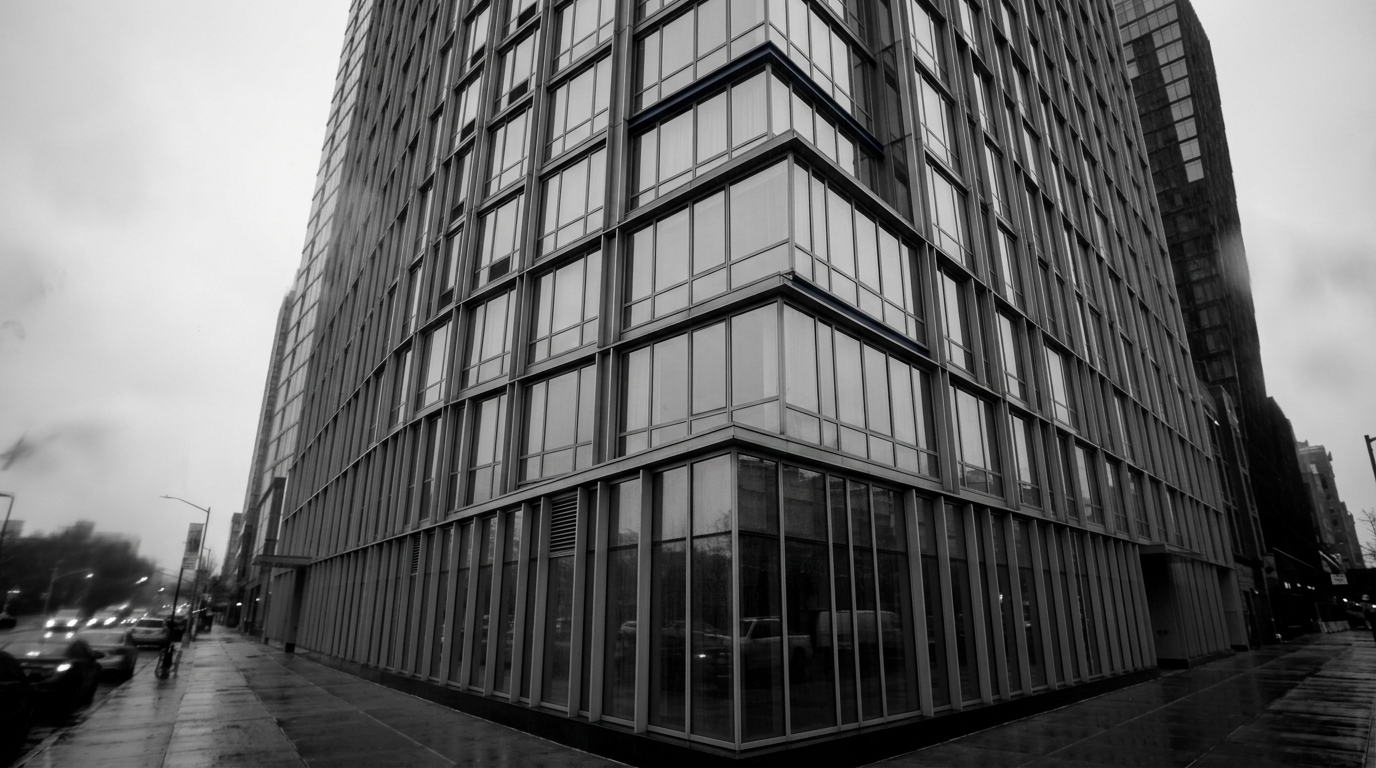
New York City and State officials , including Mayor Zohran Mamdani and Governor Kathy Hochul, announced this week a proposal to create a new tax on second homes assessed at $5 million or more . Supporters described the measure as aimed at luxury pied-à-terre properties and framed it as a response to widening wealth inequality in New York City.
The announcement landed in a politically and socially charged moment. Officials’ rollout coincided with the prospect of labor strikes by building service workers, and it came as public criticism intensified around high-profile events such as the Met Gala. Supporters linked the proposal to a broader backlash against visible displays of wealth, particularly in neighborhoods associated with ultra-luxury development.
Backers argued the tax is intended to address what they describe as a growing housing imbalance. They pointed to a long-term divergence between the expansion of high-priced apartments and the shrinking supply of lower-cost units. Over the past 30 years , New York City recorded a net gain of approximately 75,000 units with rents of $5,000 or more , while losing over 600,000 units with rents of $1,500 or less , adjusted for inflation.
Officials and proponents also emphasized ownership patterns at the top end of the market. They said many high-end units are held by absentee residents, a dynamic they linked to darkened skylines in supertall towers. The issue has been described as especially visible in areas such as Billionaires’ Row , where ultra-luxury buildings have become a symbol in debates over inequality and housing access.
Real estate professionals raised concerns about potential economic effects, particularly for the luxury housing market. Their objections focused on the possibility that an added tax burden could weigh on demand for top-tier properties and ripple through related activity tied to high-end real estate. Supporters, however, said the measure is needed to generate revenue and to help counter the impacts of economic inequality that they argue are increasingly apparent across the city.
Several core elements of the proposal were not provided in the announcement described. Key details beyond the $5 million threshold—such as the final tax rate, implementation timeline, and how revenues would be allocated—were not specified. The next steps, including how the plan moves through city and state processes and how stakeholders respond, remain uncertain as debate continues over luxury housing, affordability, and inequality.