Mandelson's US Envoy Bid Stalls on UK Vetting
UK vetting questions intensify after Lord Mandelson failed DV checks for US ambassador role, as Keir Starmer faces MPs on Sept 9.
Cuneyd Erdogan ·
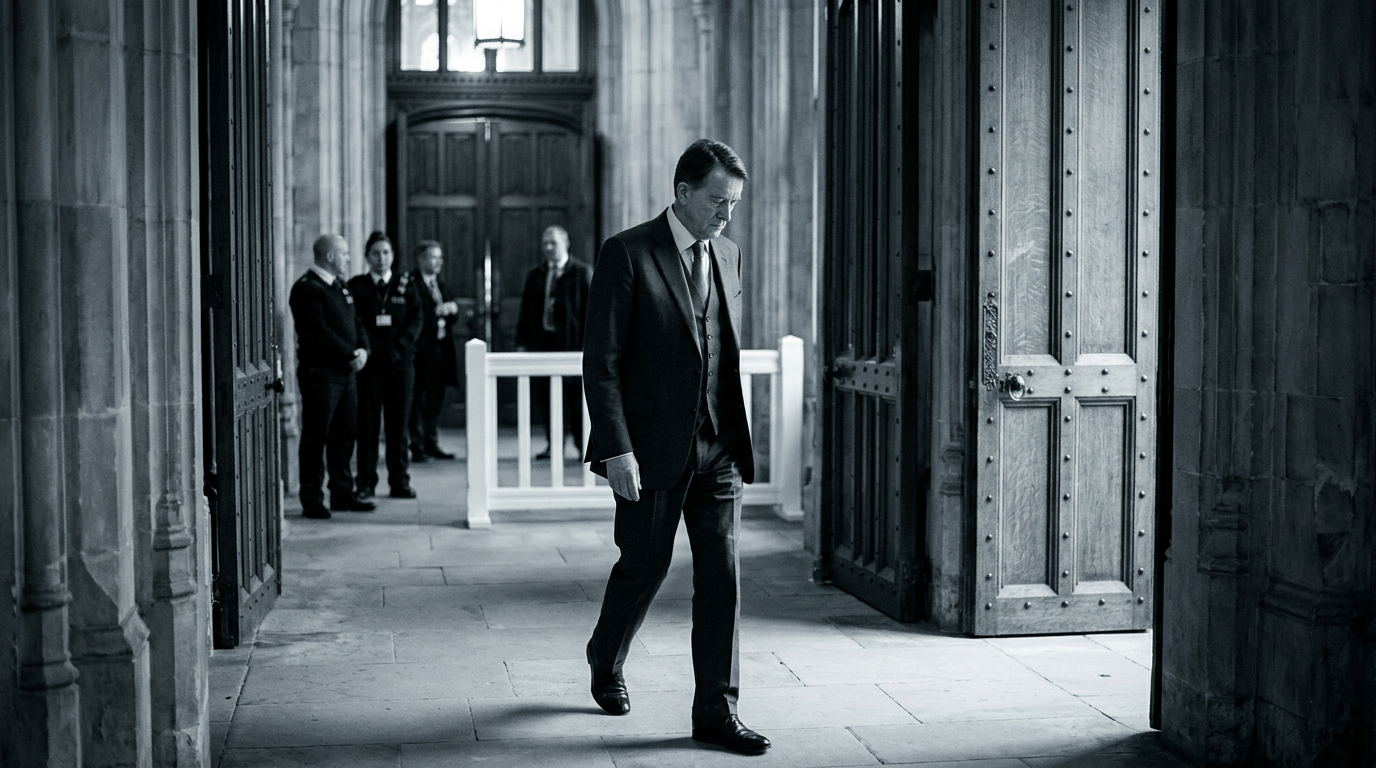
The UK government is under pressure over how security checks were handled for Lord Mandelson , who was appointed ambassador to the United States, after disclosures that he did not pass initial vetting for the post.
Prime Minister Keir Starmer is due to face Members of Parliament on Monday, September 9 , as lawmakers seek clarity on what officials knew, when they knew it, and why the appointment proceeded. The issue has sharpened scrutiny of transparency and decision-making around senior national security-related roles.
The appointment was announced in September , and Lord Mandelson was later dismissed. The Prime Minister had previously said that “full due process” had been followed, but it emerged this week that Lord Mandelson had failed Developed Vetting (DV) , a high-level clearance used for roles involving access to classified information.
Starmer has said he only learned of the DV failure recently, describing the situation as “staggering” and “completely unacceptable.” Opposition parties have disputed his account, with Conservative leader Kemi Badenoch calling the explanation “completely preposterous.”
According to the information disclosed, United Kingdom Security Vetting (UKSV) —a Cabinet Office agency—recommended against granting Lord Mandelson security clearance. Despite that recommendation, officials in the Foreign Office moved ahead with the appointment.
The government has not made public the specific reasons Lord Mandelson did not pass DV, nor has it explained why UKSV’s recommendation was overridden. Unanswered questions also include who within the Foreign Office ultimately approved the clearance process for the role and who was informed about the UKSV recommendation at the time.
Beyond the immediate political dispute, the episode places a spotlight on how the UK manages sensitive appointments tied to its relationship with the United States. With the ambassador role central to diplomatic engagement, trade discussions, and security coordination, the handling of vetting and internal sign-offs is likely to remain a focus in Parliament as Starmer prepares to respond.
For now, key details remain uncertain because the government has not disclosed the basis for the vetting outcome or the internal decision trail that allowed the appointment to proceed. Those gaps are driving calls for clearer accountability over how security advice is weighed against ministerial and departmental decisions.