Judge Narrows Ban, White House Security Work Resumes
White House security work can proceed after Judge Beryl Howell narrowed a construction ban, while ballroom-related activity remains blocked.
Cuneyd Erdogan ·
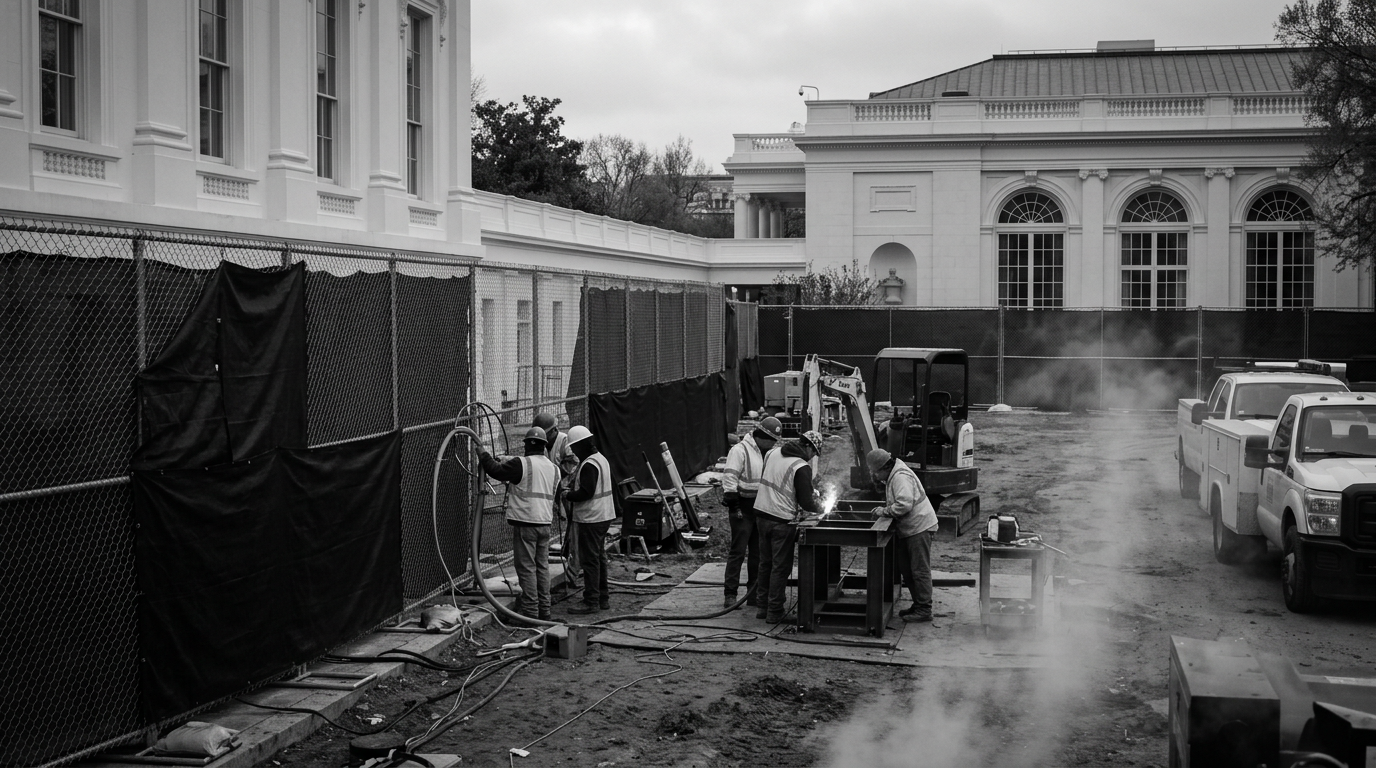
A federal judge in Washington, D.C., on Friday allowed the U.S. government to move ahead with construction tied to national security at the White House, at a location that had been associated with a proposed ballroom. U.S. District Judge Beryl Howell issued an order permitting the work to continue after previously stopping activity at the site.
The updated order reverses an earlier injunction that had paused all construction at the location. Officials said the work is aimed at addressing security needs at the executive mansion, including infrastructure improvements.
The dispute stems from a lawsuit brought by the advocacy group Judicial Watch. The group sought to block construction of a ballroom, arguing the project would violate federal preservation laws.
Judge Howell’s initial injunction in December 2024 temporarily halted all activity at the site. The government later submitted evidence to the court asserting that the ongoing construction was not limited to preparations for a ballroom and was instead necessary for national security-related infrastructure.
According to the government’s filings described in the ruling, the work includes upgrades to communications and utility systems. The court’s revised order draws a line between security-related construction and any activity that would advance the ballroom project.
Under the new framework, construction deemed essential for national security may proceed, while any work directly connected to the ballroom remains barred. The order is designed to allow security enhancements to continue without resolving the broader legal questions raised by the preservation-law challenge.
The case remains active, and the ultimate outcome for the proposed ballroom has not been decided. That leaves uncertainty over whether the ballroom plan will be allowed, modified, or blocked, even as the government is permitted to continue specific work tied to security infrastructure.