Travelers in US continue to face delays at airport security amid DHS shutdown
US airport security delays persist due to TSA staffing shortages, exacerbated by the DHS shutdown, causing longer screening times for travelers.
Cuneyd Erdogan ·
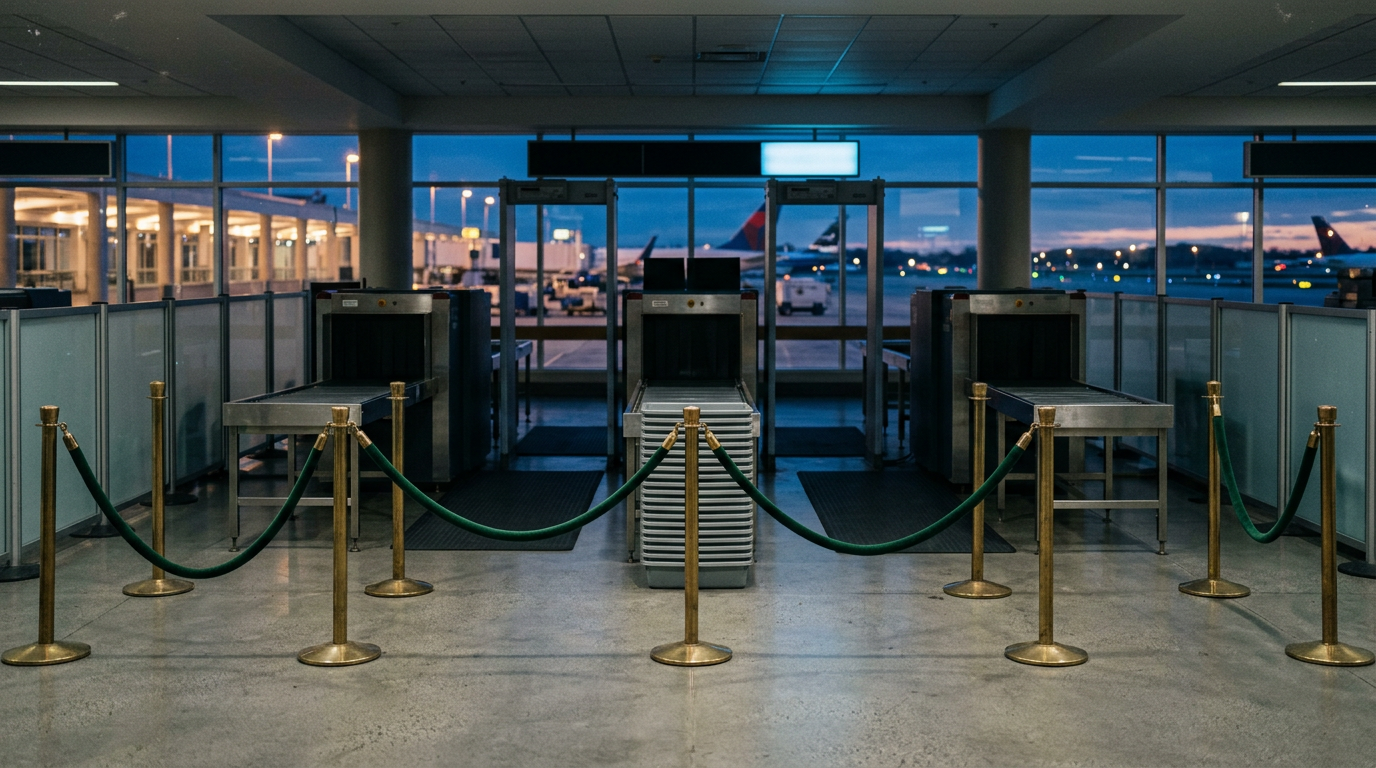
Travelers across the United States are experiencing continued delays at airport security checkpoints. This situation stems from ongoing staffing shortages within the Transportation Security Administration (TSA), exacerbated by the recent Department of Homeland Security (DHS) shutdown. The lack of regular pay for TSA personnel has intensified these staffing issues, directly contributing to extended screening times and increased passenger frustration.
DHS Shutdown Impact on TSA Operations
The Department of Homeland Security's partial shutdown has significantly affected the operational capacity of the Transportation Security Administration. As a component agency of the DHS, the TSA relies on federal appropriations for its funding and employee salaries. The current impasse has meant that many TSA employees, deemed essential personnel, are working without immediate compensation.
This financial uncertainty has led to a noticeable decline in available staff at various airports nationwide. While specific numbers fluctuate, reports indicate a higher-than-usual rate of unscheduled absences among TSA officers. This reduction in the workforce directly impacts the efficiency of security lines, leading to longer wait times for passengers.
Passenger Experience and Economic Implications
The primary consequence for the public is the increased time spent navigating airport security. Passengers are advised to arrive significantly earlier for their flights to account for potential delays. This situation not only causes inconvenience but can also lead to missed flights and disruptions to travel plans, affecting both business and leisure travelers.
Economically, prolonged airport delays can have ripple effects. Reduced travel efficiency can impact industries reliant on air transport, including tourism, logistics, and business travel. The uncertainty surrounding security wait times may also deter some individuals from flying, potentially affecting airline revenues and related services.
Historical Context of Government Shutdowns
Government shutdowns in the United States are not unprecedented, though their impact on essential services like airport security often draws significant public attention. Past shutdowns have similarly affected federal agencies, leading to temporary closures or reduced operations. However, the direct and immediate impact on daily travel for millions of Americans highlights the critical role of agencies like the TSA.
The current situation underscores the vulnerability of essential public services to political funding disputes. While TSA officers are mandated to continue working due to their essential status, the absence of pay can significantly affect morale and attendance, creating operational challenges that directly impact the traveling public. S. airports.
Implications
Country Impact: The United States faces ongoing disruptions to air travel, impacting both domestic and international passengers. Economic activity tied to air transport, such as tourism and business travel, could see a slowdown due to reduced efficiency.
Industry Impact: Airlines and airport service providers are experiencing operational challenges and potential revenue impacts from passenger frustration and missed connections. The travel and tourism sector may see reduced demand if delays persist.
Market Impact: While direct market impact is limited, prolonged disruptions could indirectly affect airline stock performance and investor confidence in the travel sector. Broader economic indicators might reflect a slight downturn in travel-related spending.