

Media Organization Restricts Use of AI-Integrated Software for Freelance Contributors
A major media organization has banned freelance photographers from using the latest Photoshop update due to concerns over undisclosed generative AI features…
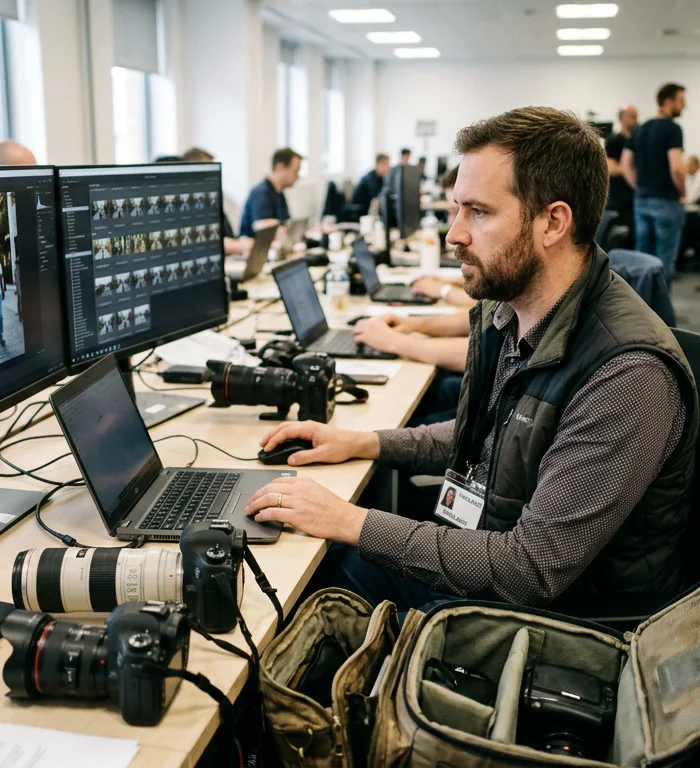
A major media organization has issued a directive to its freelance photography contributors, instructing them to refrain from installing the latest version of Adobe Photoshop. The restriction follows concerns regarding the integration of generative artificial intelligence features within the software, which the organization deems incompatible with its editorial standards for visual integrity.
Internal communications indicate that the software’s latest update incorporates generative AI tools that may operate without explicit user notification. The organization noted that these automated processes can embed metadata into image files, incorrectly identifying photographs as AI-generated. This poses a significant risk to the organization’s commitment to maintaining strict standards against digital manipulation, which currently permits only minimal color adjustments to ensure accurate reproduction.
Adobe Photoshop
The software update in question introduces a centralized interface for AI-driven functions, including automated background removal, image extension, and prompt-based editing. Because these features are not consistently labeled as AI-enabled, the organization has determined that the risk of inadvertent policy violations is high. By mandating that contributors avoid the update, the organization seeks to prevent the accidental submission of manipulated content that could undermine its journalistic credibility.
This directive highlights the ongoing tension between software developers and media institutions regarding the transparency of AI-assisted tools. As software providers increasingly integrate generative capabilities into standard professional workflows, media organizations are forced to implement restrictive policies to ensure the provenance and authenticity of their visual assets. The organization’s stance reflects a broader industry trend of prioritizing strict verification protocols over the adoption of automated efficiency tools.
Future developments in this area will likely involve increased scrutiny of software metadata and the potential for specialized, non-AI-integrated versions of professional creative suites. For now, the organization’s policy serves as a defensive measure to protect its editorial reputation against the risks of undisclosed algorithmic intervention in news photography.
More stories
- Japan data centers face lawsuits over residential sites
- Türkiye Desk: GTA 6 drains UK mobile spend as Turkish studios feel pressure
- Europe faces attribution gap after 16 cyber, physical incidents
- PIF backs Grand Theft Auto as Saudi players embrace game
- Signal limits screenshots to curb AI access to messages
- Cognition runs Devin Mac workspaces on EC2 in 6 AWS regions
- Texas grid strain lifts SpaceX AI satellite case with Nvidia
- SpaceX AI satellite deal brings Nvidia platforms to orbit
Latest news
- Duterte faces ICC trial over 85 alleged murders, 2 attempts
- Norse Atlantic suspends flights in urgent rescue funding bid
- Bardella denies antisemitism claims over teenage messages
- Retailers rethink Black Friday as discount fatigue grows
- S&P puts Nvidia credit rating on watch over board concerns
- Musk pledges two SpaceX shares per child in new US giveaway
- Washington targets China in new tariff push on trade ties
- Morocco targets 2030 World Cup final with new stadium bid