

Advancements in Neural Interfaces and Computing Hardware Signal Shift in Data Processing
Rapid progress in neural interfaces, light-based computing, and biological hardware is driving technological efficiency, though these advancements introduce…
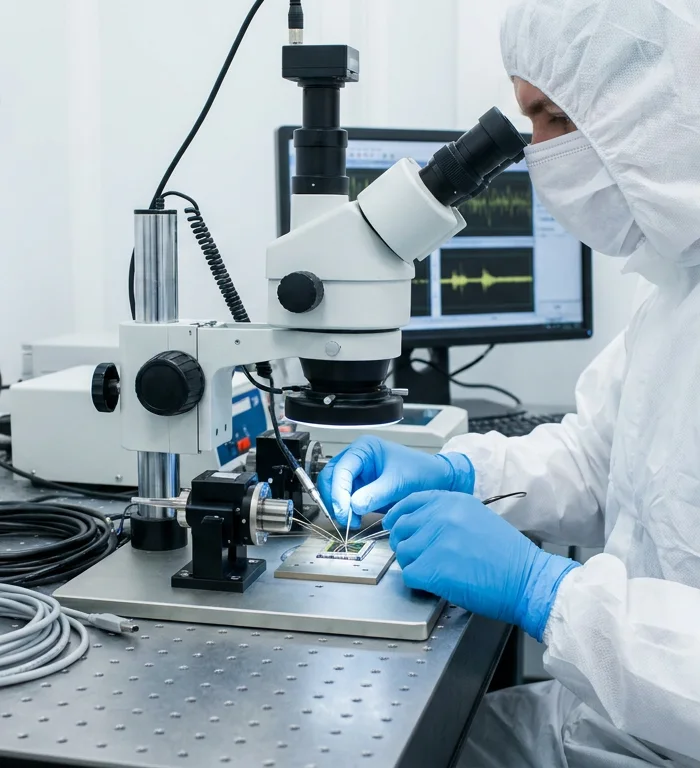
Recent developments in neural interface technology and semiconductor architecture indicate a significant shift toward biological-digital integration and high-efficiency computing. Researchers have successfully demonstrated artificial neurons capable of communicating with living brain cells, alongside the development of ultra-thin, wireless neural implants that transmit brain activity in real-time. These advancements suggest a maturing capability for high-bandwidth brain-computer interfaces, which carry long-term implications for medical therapeutics and human-machine interaction.
Simultaneously, progress in hardware engineering is addressing critical bottlenecks in artificial intelligence and quantum computing. Innovations include the creation of 3D-stacked chips that accelerate data movement, light-powered chips that improve AI energy efficiency by a factor of 100, and programmable photonic chips that allow for precise control over optical signal propagation. These hardware improvements are designed to overcome the physical limitations of traditional silicon-based architectures.
Biological computing is also emerging as a viable research field, with the development of bacterial transistors and muscle-powered micro-robots. These technologies aim to perform complex calculations and chemical signaling, potentially offering self-healing, low-power alternatives to conventional electronic components. Such developments represent a departure from standard manufacturing, utilizing organic materials to perform logic and mechanical tasks.
Despite these technical gains, security risks remain a primary concern for institutional stakeholders. Recent analysis indicates that emerging quantum computing systems possess inherent security vulnerabilities that could compromise existing encryption standards. As these technologies transition from laboratory environments to commercial infrastructure—such as the integration of quantum networking into existing fiber-optic telecommunications—policymakers must account for the potential disruption to current cybersecurity frameworks and data protection protocols.
More stories
- Europe faces attribution gap after 16 cyber, physical incidents
- PIF backs Grand Theft Auto as Saudi players embrace game
- Signal limits screenshots to curb AI access to messages
- Cognition runs Devin Mac workspaces on EC2 in 6 AWS regions
- Salesforce engineers cut 600-failure triage to 90 minutes
- Türkiye Desk: GTA 6 puts console access and network demand in focus
- Nvidia opens board inquiry into alleged foreign targeting
- Nvidia opens board inquiry into alleged foreign targeting
- Chinese AI models attract cost-focused African builders
- Duolingo shares drop as revenue outlook trails views again
Latest news
- David Parr House to honor Victorian art-workman with blue plaque
- Iran's attacks hit 25 tankers near Strait of Hormuz
- FCC approves prison cellphone jamming despite 2.5-mile warning
- Russia strikes Ukraine as Odesa faces electricity strain
- Bahrain reports two injuries after Iranian aerial attacks
- Congress tests Black Democrats' growing policy influence
- Baltic responders fight Sparta II fire after drone strike
- Dietitians advise small swaps for plant-based eating